Tarrant County Ag Exemption: Complete Guide to 1-D-1 Agricultural Valuation
Learn how to get an agricultural exemption in Tarrant County Texas. Minimum acreage, degree of intensity standards, application deadlines, and step-by-step filing instructions for Tarrant Appraisal District.
If you own land in Tarrant County and want to lower your property taxes, an agricultural exemption (formally called 1-D-1 Open Space Agricultural Valuation) is one of the most effective ways to do it. Instead of paying taxes based on what your land would sell for as development property, the Tarrant Appraisal District values it based on what it can produce agriculturally. That difference can slash your tax bill by 70 to 90 percent.
This guide covers exactly what you need to qualify, how to apply, what the Tarrant Appraisal District looks for, and how to avoid common pitfalls that cost landowners thousands in rollback penalties.
What Is an Ag Exemption in Tarrant County?
An ag exemption is not actually an exemption. Its a special valuation method under Section 23.51 of the Texas Property Tax Code, often called 1-d-1 appraisal. The Tarrant Appraisal District calculates your lands value based on its agricultural productivity instead of its market value.
In Tarrant County, this distinction matters more than in rural parts of Texas. Tarrant is one of the fastest-growing counties in the state, part of the Dallas-Fort Worth metroplex. Land that might sell for $50,000 an acre as a residential lot could be valued at just a few hundred dollars an acre under agricultural appraisal. The tax savings can easily reach thousands of dollars per year.
The key requirement: your land must be in active agricultural use at a level that meets the degree of intensity standards set by the Tarrant Appraisal District. Simply owning land and calling it a farm is not enough.
Tarrant Appraisal District Contact and Deadlines
The Tarrant Appraisal District, often called TAD, handles all agricultural exemption applications for the county.
Tarrant Appraisal District
Phone: (817) 284-0024
Website: https://www.tad.org
Forms: https://www.tad.org/resources/all-forms
The standard filing deadline is April 30. If you miss it, a late application still applies to the current tax year as long as it is filed before the appraisal review board (ARB) approves the appraisal records for that year, which usually happens in late May or June. Under Tax Code 23.541 the penalty is 10 percent of the difference between the tax at market value and the tax at productivity value.
WARNING
Missing the April 30 deadline costs you 10 percent of the year's savings, not the whole year, provided you file before the ARB approves the records. Miss that window too and you do lose the year. File early.
You can file the initial application at any time during the year, but it will only take effect for the next tax year if filed after the deadline has passed.
Minimum Acreage Requirements in Tarrant County
Texas does not have a statewide minimum acreage for agricultural valuation. Each county appraisal district sets its own standards, and Tarrant County follows the general guidelines established by the Texas Comptroller.
For most agricultural uses in Tarrant County, the appraisal district expects a minimum of 10 acres for agricultural valuation, though smaller parcels can qualify if they demonstrate sufficient intensity of use. Properties under 10 acres face higher scrutiny and need stronger evidence of commercial agricultural activity.
The Texas Comptrollers guidelines suggest these minimums by land use type:
- Livestock grazing: 10 to 20 acres minimum, depending on soil quality and carrying capacity
- Hay production: 10 to 15 acres minimum for meaningful harvest
- Beekeeping: 5 to 20 acres with at least 6 active hives
- Row crops: 10 acres minimum for commercial-scale production
These are guidelines, not hard rules. The Tarrant Appraisal District evaluates each property individually. If you own 8 acres with an intensive operation like irrigated vegetables or a commercial apiary, you may still qualify.
Qualifying Agricultural Uses in Tarrant County
Tarrant County sits in the Cross Timbers ecoregion, a mix of post oak woodlands and prairies. The land supports several types of agricultural activity that the appraisal district recognizes.
Livestock Grazing
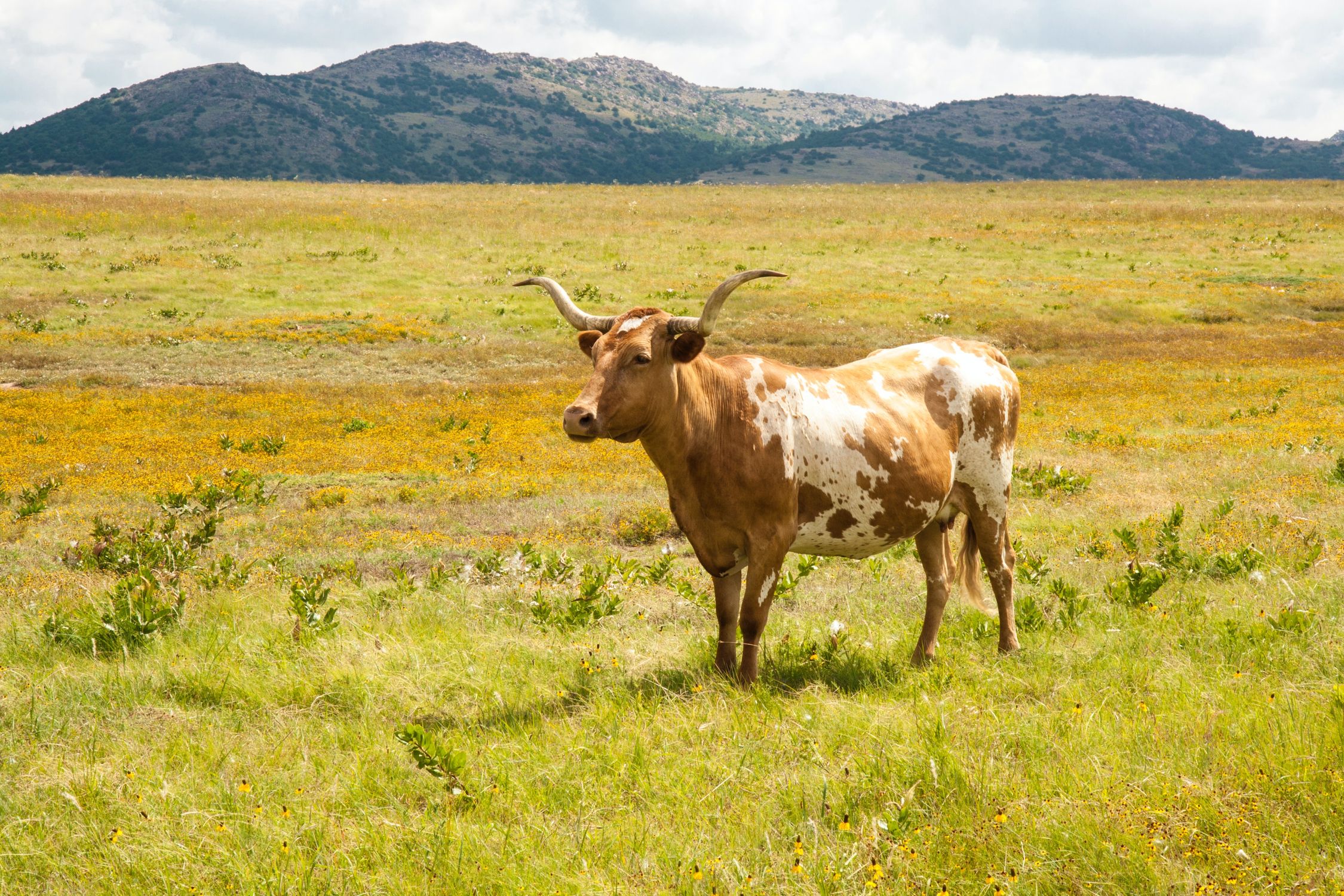
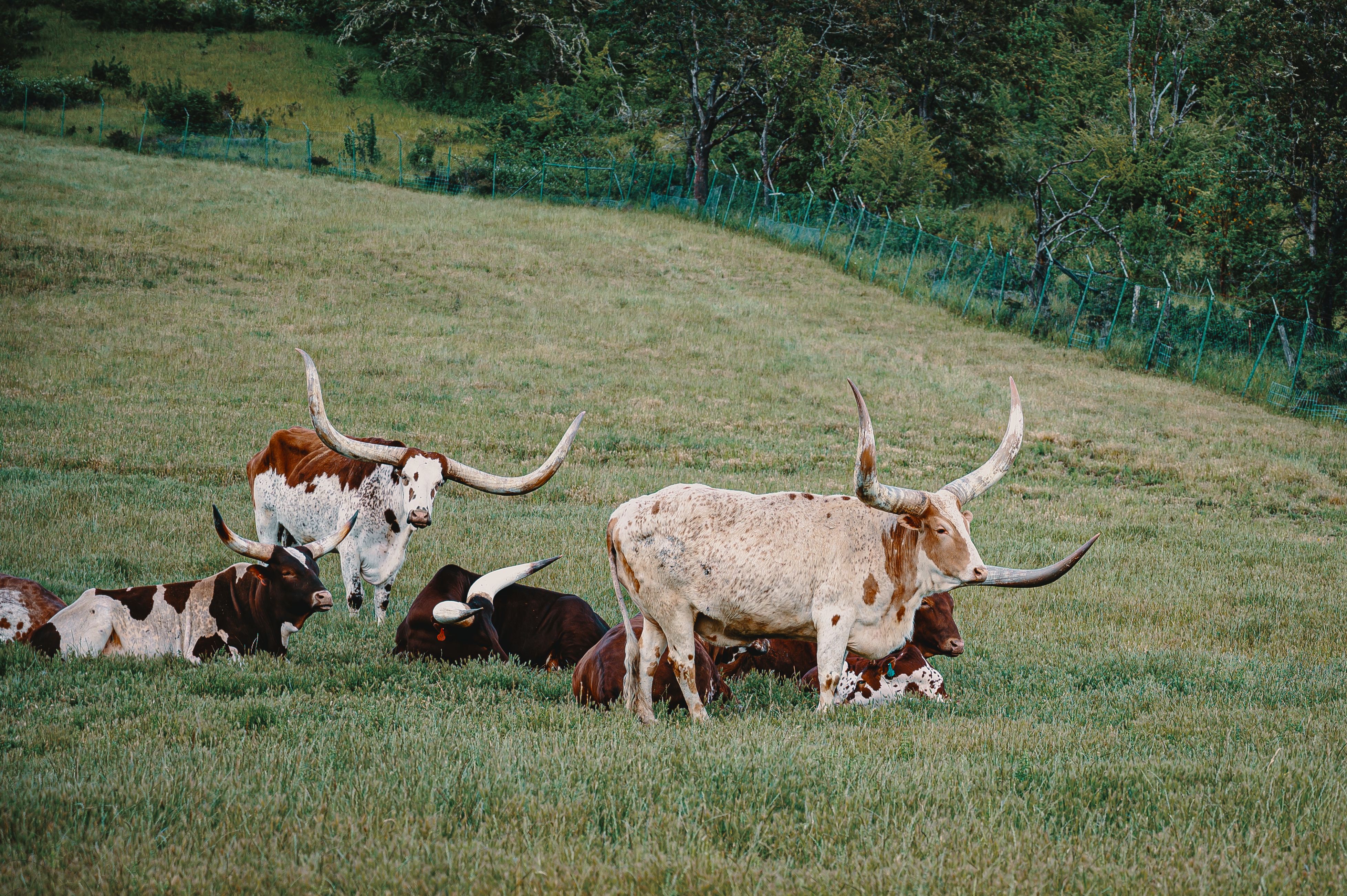
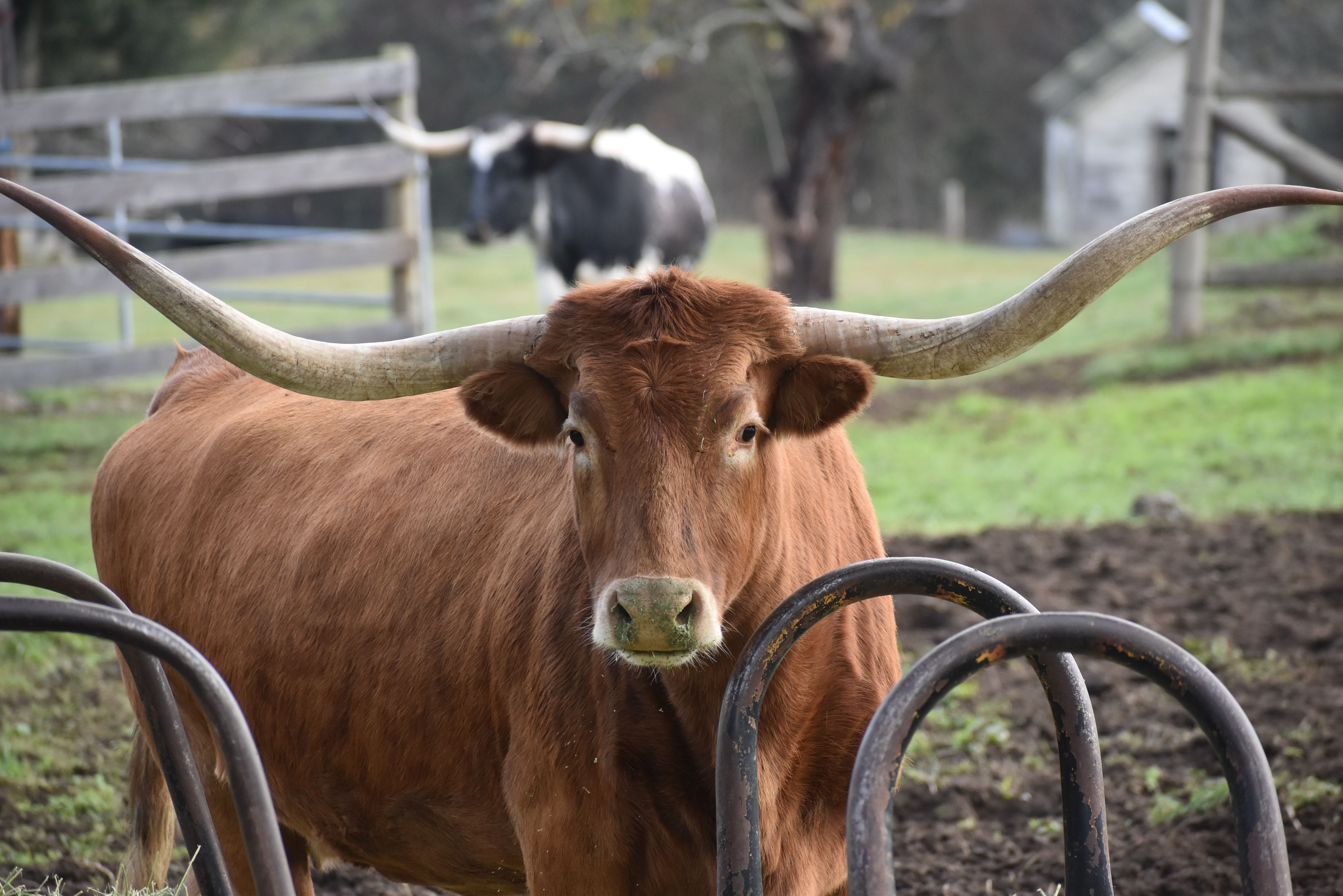
Cattle grazing is the most common qualifying use in Tarrant County. The appraisal district uses animal unit (AU) calculations to determine whether your stocking rate meets the degree of intensity standard.
Native pasture: 1 animal unit per 8 to 12 acres
Improved pasture: 1 animal unit per 5 to 8 acres
One animal unit equals one cow-calf pair, one mature bull, or two yearlings. Goats and sheep have lower AU values. A typical setup on 15 acres of improved pasture would need at least 2 to 3 head of cattle to meet intensity standards.
Hay Production
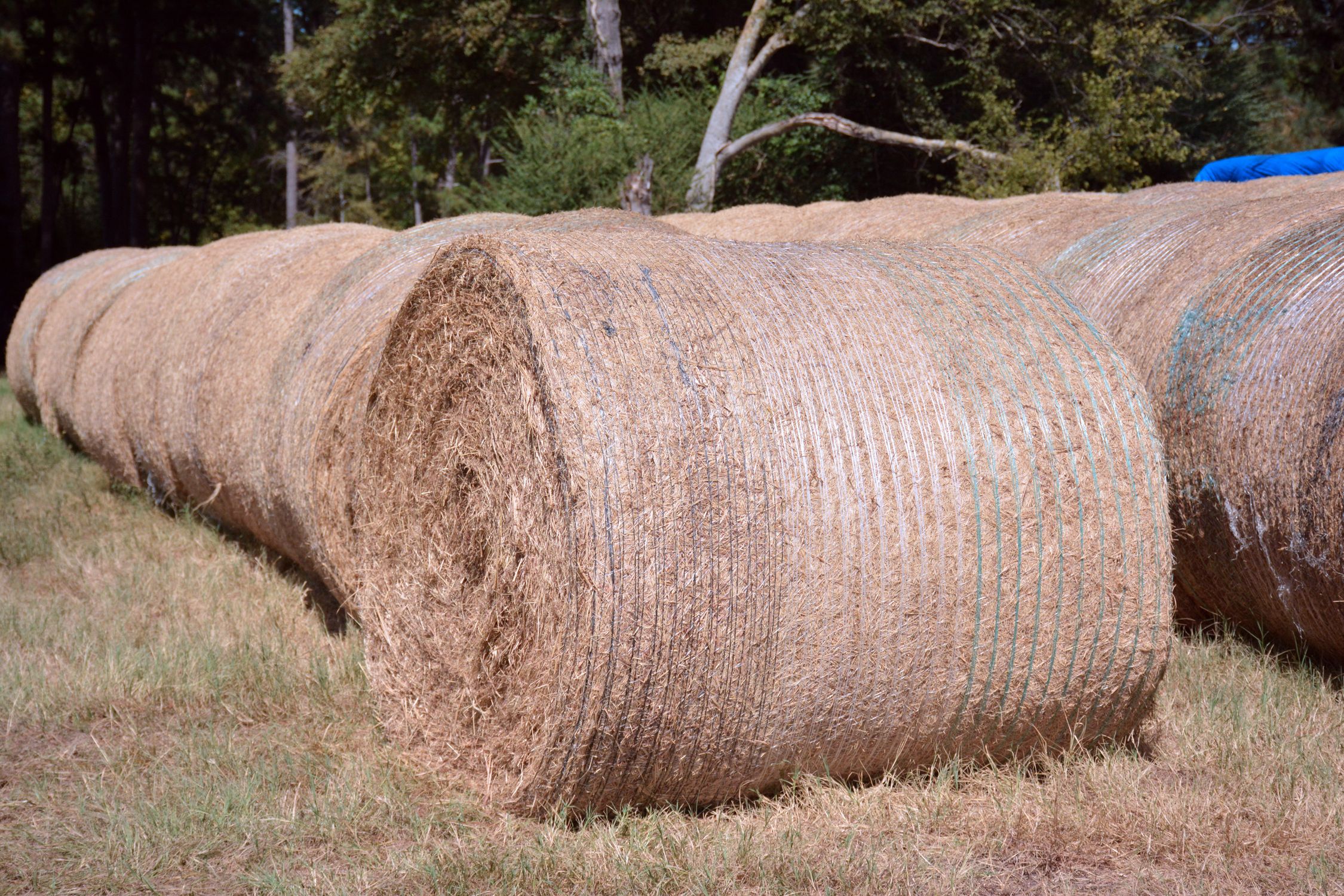
Growing and harvesting hay qualifies as an agricultural use in Tarrant County. You need to demonstrate that you are actually harvesting the hay, either for your own livestock or for sale. Simply mowing the grass and leaving it in the field does not count.
Beekeeping
Beekeeping has become a popular way to qualify smaller properties in Tarrant County. The standard requirement is 6 active hives on the first 5 acres, with 1 additional hive for every 2.5 acres beyond that, up to the statutory ceiling of 20 acres. You also need to document honey harvest, pollination services, or wax production. Registration with the Texas Apiary Inspection Service is voluntary under Texas Agriculture Code 131.045 and costs $35 a year. It is useful supporting evidence, not a requirement.
Crop and Orchard Production
Row crops, vegetables, fruit trees, and nut orchards all qualify. The Tarrant Appraisal District looks for evidence of commercial-scale production, not a backyard garden. Irrigation, planting records, harvest receipts, and sales records all help prove your case.
INFO
For a complete list of qualifying animals and plants, see our guide on what animals qualify for ag exemption. The rules apply across Texas, but Tarrant County has its own intensity standards on top of the state requirements.
The Five-Year History Rule
Texas law requires that land have been used for agriculture for 5 of the preceding 7 years to qualify for 1-d-1 valuation. This catches many new landowners off guard.
If you recently bought raw land in Tarrant County that was not previously under agricultural use, you cannot immediately get the exemption. You need to establish agricultural activity and wait out the five-year window. However, there is a common workaround.
If the previous owner had the land in ag use, you can continue that use and qualify immediately after purchasing, as long as you file a new application with the Tarrant Appraisal District showing the change of ownership.
If the land was not in ag use, you need to start agricultural operations right away. Even though you cannot get the special valuation for five years, starting early starts the clock. Some landowners use wildlife management or beekeeping as a way to establish qualifying use during the waiting period.
For a full breakdown of how to handle this situation, read our guide on ag exemption first-year strategy for new landowners.
Degree of Intensity Standards
The concept of degree of intensity is the most common reason Tarrant County ag applications get denied. It is not enough to simply own livestock or grow hay. Your agricultural activity must meet the level that is typical for the area.
The Tarrant Appraisal District evaluates intensity based on:
- Stocking rate: How many animals per acre relative to the lands carrying capacity
- Management practices: Are you rotating pasture, controlling weeds, maintaining fences, providing water
- Scale of operation: A commercial-scale operation looks different from a hobby setup
- Income and expense records: Profit is not required, but records showing active management and genuine agricultural purpose matter
If the appraisal district determines that your operation does not meet the degree of intensity standard, they can deny the application or revoke an existing valuation. This triggers a rollback penalty.
How to Apply for an Ag Exemption in Tarrant County
Applying for agricultural valuation through the Tarrant Appraisal District is a straightforward process if you have the right documentation.
Step 1: Get the Form
Download Form 50-129, the Application for 1-d-1 (Open-Space) Agricultural Use Appraisal. You can get it directly from the Texas Comptrollers website or from the TAD forms page at https://www.tad.org/resources/all-forms.
Step 2: Gather Documentation
The application needs more than just your signature. You should prepare:
- A map or aerial photo showing your property boundaries
- A description of your agricultural activities
- Number and type of livestock, or crop acreage and type
- Records of agricultural expenses and income
- Previous years tax statements if reapplying
Step 3: Submit Before April 30
File the completed form with the Tarrant Appraisal District by April 30. You can mail it, deliver it in person, or check if TAD accepts electronic submissions through their portal.
Step 4: Expect a Site Visit
The Tarrant Appraisal District may send an appraiser to inspect your property and verify the agricultural use. This is normal. Make sure your property looks like an active agricultural operation when they visit.
Step 5: Respond to Any Questions
If the appraisal district has questions about your application, respond promptly. Delays can result in denial.
For a step-by-step guide that applies to any Texas county, see our complete ag exemption application guide.
Wildlife Management as an Alternative
If your land in Tarrant County already has an agricultural valuation, you can switch to wildlife management without losing the tax benefit. This is a popular option for landowners who want to reduce their active farming or ranching workload.
Wildlife management requires at least 10 acres (20 acres in some ecoregions) and a written wildlife management plan. You must implement at least 3 of 7 approved wildlife management practices, such as:
- Providing supplemental water
- Providing supplemental food (food plots or feeders)
- Providing shelter or cover
- Conducting habitat control or brush management
- Predator control
- Census or population surveys
- Erosion control
The wildlife management valuation guide covers the full requirements. The key advantage in Tarrant County is that wildlife management often requires less day-to-day work than traditional livestock grazing while still giving you the same property tax savings.
Rollback Penalties: What Triggers Them
If the use of your land changes to a non-agricultural use, the Tarrant Appraisal District will impose a rollback tax. This is the difference between the taxes you paid under agricultural valuation and what you would have paid at market value, for the three years preceding the year of the change. The change-of-use year itself is not included, and no interest is added to the penalty.
Two bills produced that rule. HB 1743, effective September 1, 2019, cut the lookback from 5 years to 3 years and dropped the interest rate from 7 percent to 5 percent. HB 3833, effective June 15, 2021, deleted the interest provision from Tax Code 23.55(a) entirely. Smaller than it used to be, but it still stings.
Common rollback triggers in Tarrant County:
- Selling or subdividing the property without notifying the appraisal district
- Letting livestock numbers drop below the degree of intensity standard
- Failing to file a renewal or ownership change notice by April 30
- Allowing the land to sit idle without any agricultural activity for more than a year
The property owner is responsible for notifying the Tarrant Appraisal District within 30 days of a change in use. Failure to notify can add penalties on top of the rollback.
Learn more about ag exemption rollback penalties and how to avoid them.
Special Considerations for Urbanizing Areas
Tarrant County is experiencing rapid population growth. Cities like Fort Worth, Arlington, Keller, Southlake, and Mansfield are expanding into formerly rural areas. This creates unique challenges for agricultural valuation.
If your property is inside a city limit, the rules get stricter. Agricultural use inside city limits must have been continuous for 5 of the last 5 years (instead of 5 of 7). The appraisal district also applies higher scrutiny to properties near subdivisions.
Tips for land near developing areas:
- Keep detailed records of all agricultural activities
- Maintain clear boundaries between your agricultural land and neighboring residential properties
- Post no trespassing signs if needed to prevent issues
- Consider a wildlife management plan if urban pressure makes livestock impractical
Where to Go Next
Getting an agricultural exemption in Tarrant County requires planning, paperwork, and proof of genuine agricultural use. The savings are substantial, but the Tarrant Appraisal District expects you to earn that benefit through real agricultural activity.
Next steps:
- Contact the Tarrant Appraisal District at (817) 284-0024 to ask about your propertys current valuation status
- Download Form 50-129 from https://www.tad.org and review the requirements
- If you do not currently have qualifying agricultural use, start planning your operation now
- Compare your options with our guide on acreage requirements by Texas county
For a broader overview of all Texas exemption types, see our complete 2026 guide to agricultural valuation. And if you are comparing Tarrant County to other metro counties, the Dallas County ag exemption guide and Travis County ag exemption guide cover nearby areas with similar challenges.
Sources
This reflects Texas law as of August 2026, including HB 1743 (86th Legislature, effective September 1, 2019), which cut the open-space rollback from five years to three, and HB 3833 (87th Legislature, effective June 15, 2021), which removed rollback interest entirely.
- Texas Tax Code Section 23.51 - qualified open-space land, degree of intensity, and the 5 to 20 acre beekeeping band
- Texas Tax Code Section 23.54 - application requirements; the statute says "before May 1," which makes April 30 the last valid day
- Texas Tax Code Section 23.55 - additional tax on change of use, three preceding years, no interest
- HB 1743 (86th Legislature) and HB 3833 (87th Legislature)
- Manual for the Appraisal of Agricultural Land - the Comptroller's appraisal methodology
- Form 50-129 - the 1-d-1 open-space application
Verified August 6, 2026. The statutory rules above are statewide. Minimum acreage, hive schedules, stocking rates, and productivity values are local standards set by the Tarrant Appraisal District and change year to year, so confirm current figures with the district before filing.