Ag Exemption Rollback Tax in Texas: How Much You'll Owe (Calculator)
Losing your Texas ag exemption triggers a rollback tax - 5 years of back taxes plus 7% interest. Use our calculator to see your exposure, or read the full breakdown with real dollar examples.

If you lose your agricultural exemption in Texas, you owe back taxes. The rollback penalty covers the previous 5 years and includes the difference between what you paid under ag valuation and what you would have paid at full market value, plus 7% annual interest on each year's difference. On a property with significant market value, this can easily exceed $50,000.
Understanding the rollback before it hits you is the only way to avoid a surprise bill from your county appraisal district. Use our rollback tax calculator to see what you'd owe based on your county's data.
How the Rollback Calculation Works
The formula is straightforward but punishing. For each of the 5 years preceding the change in use:
Rollback tax = (Market value tax - Ag value tax) + 7% interest per year
The interest compounds from the year the taxes would have been due, not from the year you lose the exemption. So the oldest year in the rollback carries 5 years of interest at 7%, while the most recent year carries 1 year.
A Real Dollar Example
Let's say you own 15 acres in a county with a 1.5% tax rate. Your land has been valued at:
- Market value: $600,000 ($40,000/acre)
- Ag value: $3,000 ($200/acre)
Each year, you've been paying taxes on $3,000 instead of $600,000. The difference in annual taxes:
- Tax on market value: $600,000 x 1.5% = $9,000
- Tax on ag value: $3,000 x 1.5% = $45
- Annual difference: $8,955
Now multiply that across 5 years with compounding 7% interest:
| Year | Tax Difference | Interest Years | Interest | Total |
|---|---|---|---|---|
| Year 1 (oldest) | $8,955 | 5 | $3,134 | $12,089 |
| Year 2 | $8,955 | 4 | $2,507 | $11,462 |
| Year 3 | $8,955 | 3 | $1,881 | $10,836 |
| Year 4 | $8,955 | 2 | $1,254 | $10,209 |
| Year 5 (most recent) | $8,955 | 1 | $627 | $9,582 |
| Total rollback | $54,178 |
That's over $54,000 in a single bill. In high-value counties like Travis or Collin, where market values per acre are even higher, the rollback can be significantly worse.
What Triggers a Rollback
The rollback is triggered when land that has been receiving agricultural valuation is converted to a non-agricultural use. Under Texas Tax Code Section 23.55, the most common triggers are:
Selling to a Developer
This is the most frequent rollback scenario. You sell your 20-acre tract to a homebuilder who plats it for a subdivision. The moment the land use changes from agricultural to residential development, the rollback kicks in.
Who pays? In most sales, the buyer assumes the rollback liability. But this depends on how the purchase contract is written. If the contract is silent on rollback taxes, the seller can be stuck with the bill. Always address rollback liability explicitly in the sale agreement.
Changing Land Use Voluntarily
You stop running cattle and start using your land as a private recreation area. Or you build a commercial structure on ag-valued land. Any voluntary change from qualifying agricultural use to something else triggers the rollback.
Failing to Maintain Qualifying Activity
If your county appraisal district determines that you're no longer using the land at the required intensity, they can revoke your agricultural valuation. This could mean:
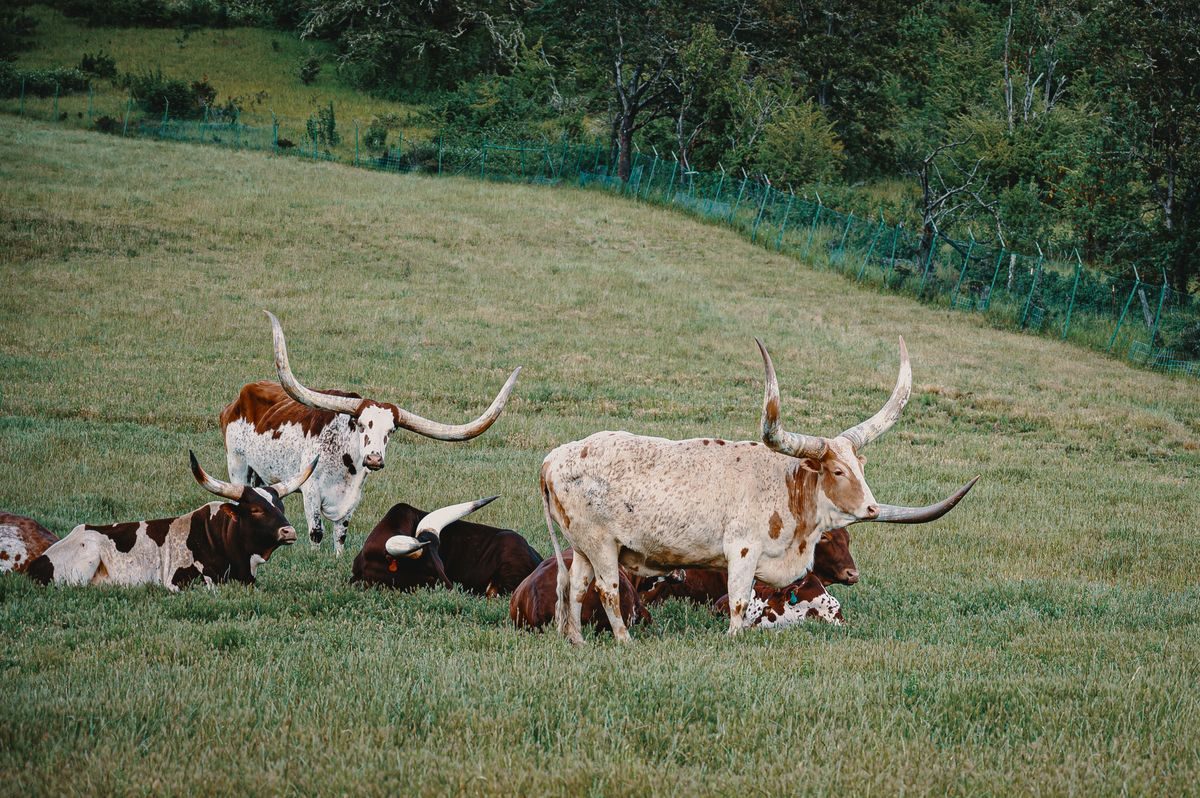
- Your herd count dropped below the minimum stocking rate
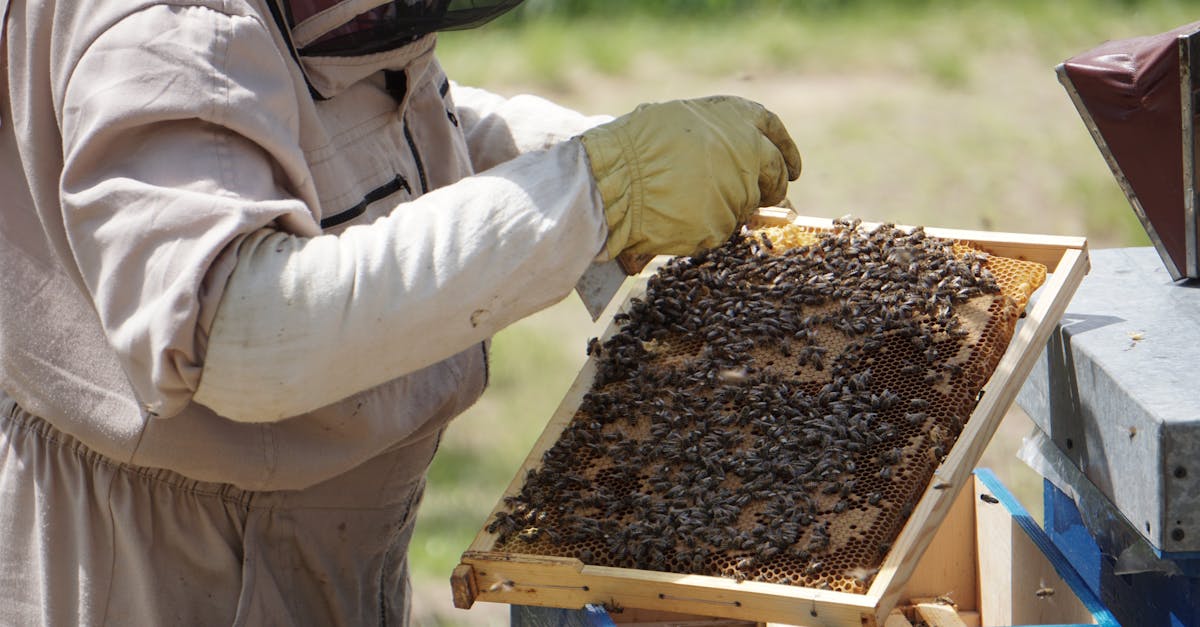
- Your bee hive count fell below the requirement and wasn't replaced
- Your hay production stopped but you didn't switch to another qualifying activity
- You stopped performing the 3 required wildlife management practices
The appraisal district doesn't always catch this immediately, but when they do, the rollback applies retroactively.
Subdividing the Property
Dividing a larger ag-valued tract into smaller parcels that don't individually meet the minimum acreage requirements can trigger a rollback on the parcels that no longer qualify.
What Does Not Trigger a Rollback
A few situations that landowners worry about but that don't actually cause a rollback:
- Switching from one ag use to another (e.g., cattle to beekeeping) - as long as the land stays in qualifying agricultural use, no rollback
- Converting from ag to wildlife management - wildlife management valuation under Tax Code 23.521 is still an agricultural valuation, so this is not a change in use
- Death of the owner - if heirs continue the agricultural use, the valuation continues
- Natural disasters - temporary loss of production due to drought, flood, or disease doesn't automatically trigger a rollback, though you should communicate with your appraisal district
How to Avoid the Rollback
Maintain Your Qualifying Activity
The simplest protection is to keep doing what got you the exemption. If you're running cattle, keep the herd stocked. If you have bees, keep the hives above the minimum count. Build in a buffer - if your county requires 6 hives, maintain 8.
Plan Land Sales Carefully
If you're selling land that has an ag valuation, negotiate who bears the rollback cost before closing. In many transactions, the buyer accepts the rollback as part of the deal because they're converting the land use anyway. Get this in writing.
Switch Uses Before You Stop
If you're done with cattle but want to keep the exemption, convert to a lower-maintenance qualifying use - like beekeeping - before you sell or destock your herd. The key is that the land never stops being in agricultural use.
Convert to Wildlife Management
If maintaining active agricultural production isn't realistic anymore, a wildlife management conversion preserves your favorable valuation without the livestock. You'll need to meet the 3-of-7 management practices requirement and file a wildlife management plan, but it's a legitimate path to keeping the exemption.
The Rollback Clock
The 5-year rollback period is fixed in state law. Every Texas county uses the same 5-year window and the same 7% interest rate. What varies is the market value your county assigns to the land, which directly affects the size of the rollback.
In fast-appreciating areas around Austin, Dallas-Fort Worth, Houston, and San Antonio, market values have been climbing steadily. That means the gap between ag value and market value grows every year, making the potential rollback larger each year you hold the exemption.
This isn't a reason to avoid an ag exemption - the annual savings far outweigh the risk for landowners who plan to maintain agricultural use. But it is a reason to understand the liability before you make decisions about selling or changing your land use.
What to Do If You've Received a Rollback Notice
If your appraisal district has already triggered a rollback:
- Review the notice carefully - verify the market values and calculations are correct
- Check whether the change in use actually occurred - if you believe your land is still in qualifying agricultural use, you can protest
- File a protest with your appraisal review board if you disagree with the determination. See our complete guide on how to protest your Texas property tax appraisal.
- Consult a property tax attorney for rollbacks exceeding $25,000 - the cost of legal help is small relative to the liability
Find your county appraisal district's contact information and exemption requirements on our county pages.