The Easiest Ag Exemption in Texas: Beekeeping Wins for Small Acreage
Compare the easiest ag exemption options in Texas by cost, acreage, and effort. Beekeeping is the lowest barrier to entry for small-acreage landowners.
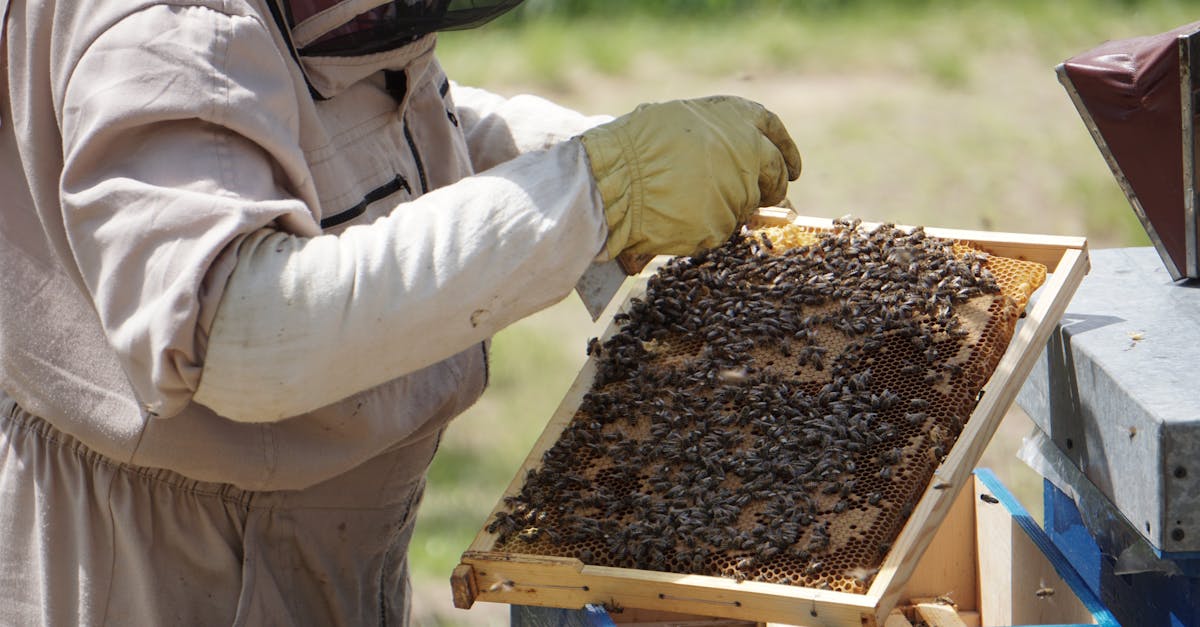
The easiest ag exemption in Texas is beekeeping. If you own as little as 5 acres, you can qualify for an agricultural valuation with 6 bee hives, a few hundred dollars in startup costs, and a fraction of the ongoing work that cattle or hay require.
That matters because an ag exemption can cut your property tax bill by 80% or more. Your land gets appraised based on its agricultural production value instead of its market value. On a 10-acre tract in Travis County worth $500,000, the difference between market valuation and ag valuation can mean thousands of dollars a year in tax savings.
But not all ag exemptions are created equal. Here's how the most common options compare for Texas landowners.
The Four Most Common Ag Exemptions
Texas law allows several types of agricultural activity to qualify for open-space valuation under Tax Code Section 23.51. The most popular paths are cattle, hay production, goats, and beekeeping.
Cattle
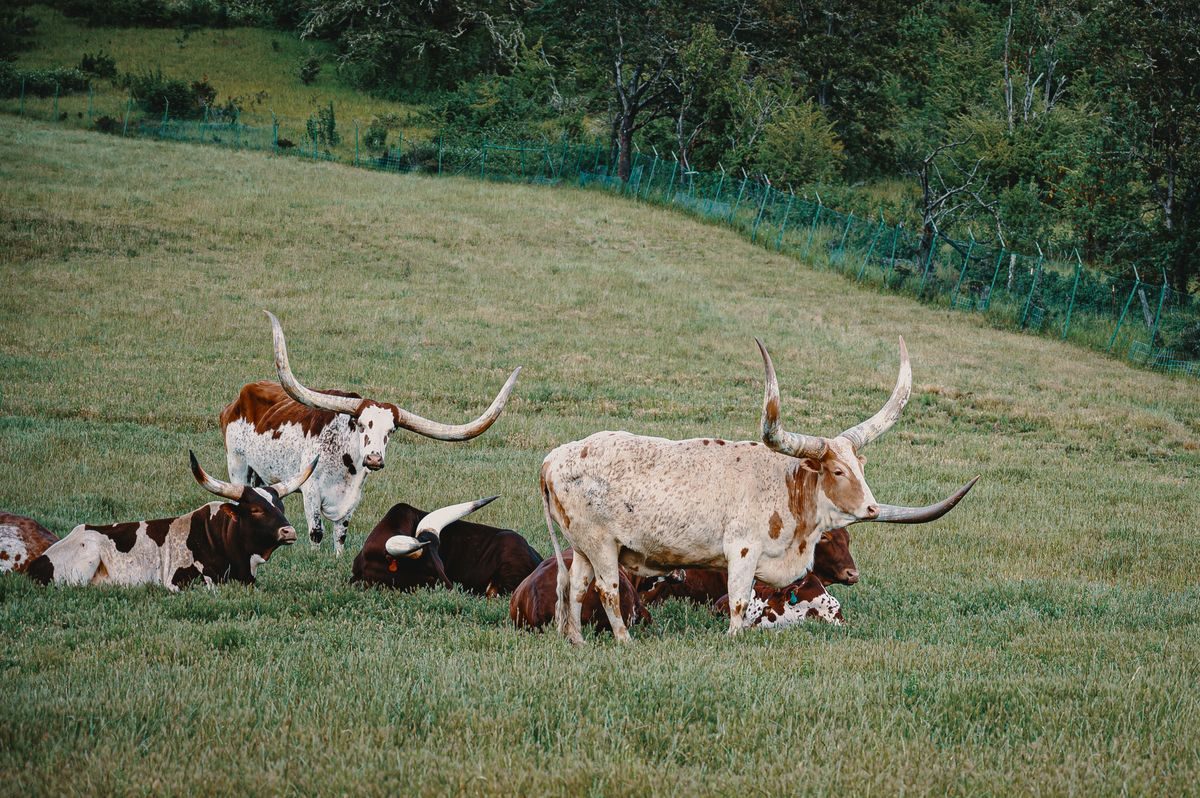
Running cattle is the most traditional route. It's also the most expensive and labor-intensive for small-acreage landowners.
- Minimum acreage: Typically 10-20 acres depending on county
- Startup cost: $3,000-$8,000 for 2-4 head of cattle, plus fencing
- Ongoing cost: $1,500-$3,000/year for feed, vet, and hay
- Time commitment: Daily watering and feeding, seasonal vet visits, fence maintenance
- Infrastructure: Fencing (the big expense), water troughs, possible hay storage
Most counties require a minimum stocking rate. In Williamson County, you need at least 2 animal units. In Guadalupe County, it's 5 animal units. One cow-calf pair equals one animal unit, so you're looking at multiple head just to meet the threshold.
Hay Production
Hay is a solid option if you already have the acreage and don't mind the equipment costs.
- Minimum acreage: Usually 10+ acres for meaningful production
- Startup cost: $5,000-$15,000 if buying equipment; less if you hire a custom cutter
- Ongoing cost: $500-$2,000/year for seed, fertilizer, and fuel
- Time commitment: Seasonal - heavy in spring and fall, lighter in winter
- Infrastructure: Equipment or a reliable custom hay cutter, storage
The challenge is that hay requires enough contiguous acreage to make cutting and baling practical. Five acres of hay isn't going to meet most counties' intensity standards.
Goats
Goats are popular in the Hill Country for brush management and meat production. They require less acreage than cattle but still need infrastructure.
- Minimum acreage: 5-10 acres depending on county
- Startup cost: $1,000-$3,000 for a small herd, plus fencing
- Ongoing cost: $500-$1,500/year for feed, minerals, vet
- Time commitment: Daily checking, hoof trimming, parasite management
- Infrastructure: Strong fencing (goats are escape artists), shelter, water
Goats work well in Burnet County and Kendall County where the Hill Country terrain makes traditional farming difficult. But they're living animals that need daily attention.
Beekeeping
This is where the math tips decisively in favor of small-acreage landowners.
- Minimum acreage: 5 acres in most Texas counties
- Startup cost: $1,200-$2,400 for 6 hives (about $200-$400 per hive with bees)
- Ongoing cost: $300-$600/year for replacement queens, treatments, sugar
- Time commitment: 30-45 minutes per hive per month during active season
- Infrastructure: Hive stands, a smoker, a bee suit, and basic tools
Six hives. Five acres. Under $2,500 to get started. Compare that to the $10,000+ you'd spend on cattle and fencing, and the choice is clear for someone who just bought a 7-acre property outside Austin.
Why Beekeeping Wins on Small Acreage
Three factors make beekeeping the easiest ag exemption in Texas:
1. Lowest Acreage Threshold
Every county in our database accepts beekeeping on 5 acres. Cattle and hay typically need 10 or more. If you own 5-9 acres, beekeeping may be your only viable option for an agricultural exemption.
2. Lowest Startup and Ongoing Cost
A complete hive setup with a package of bees runs $200-$400. Multiply by 6, and you're looking at $1,200-$2,400 total. A single cow costs more than that. Ongoing costs are minimal - bees forage for themselves across a 2-3 mile radius.
3. Lowest Time Commitment
Bees don't need daily feeding, watering, or fence repairs. During the active season (March through October in most of Texas), you'll inspect each hive once or twice a month. In winter, you check them occasionally and leave them alone. Total time investment is roughly 20-30 hours per year for 6 hives.
The Catches You Should Know About
Beekeeping isn't completely hands-off. Here's what to plan for:
County variations matter. Most counties follow the standard guideline of 6 hives on 5 acres, but Hays County requires 1 additional hive per 1.5 acres instead of the typical 1 per 2.5 acres. Always check your county's specific requirements. Use our county lookup to find the details for your area.
Registration is optional. You may register your hives with the Texas Apiary Inspection Service (TAIS) through Texas A&M, but Texas Agriculture Code 131.045 says a beekeeper "may register," and TAIS states it does not collaborate with local county offices to mandate registration. It costs $35 a year. Worth doing for the disease notifications and as one more piece of documentation, but it is not a condition of the exemption.
Hive losses happen. Colony collapse, varrora mites, and harsh winters can kill hives. If your hive count drops below the minimum, you'll need to replace them quickly to maintain your exemption. Most beekeepers order replacement packages in January for spring delivery.
You still need to apply. File your ag exemption application with your county appraisal district by April 30. That date is statewide: Tax Code 23.54(d) says the application must be filed before May 1, which makes April 30 the last valid day in every county, including Collin. A late application still counts for the current year if it reaches the district before the appraisal review board approves the records, with a 10 percent penalty.
How to Get Started
If you're ready to pursue a beekeeping ag exemption, here's the sequence:
- Verify your county's requirements using our county lookup tool
- Confirm your tract is between 5 and 20 acres - that band is statutory, and land above 20 acres cannot qualify on beekeeping alone
- Set up your hives - buy established colonies or package bees from a reputable Texas supplier
- Document everything - keep receipts, photos, and hive inspection logs
- File your application with your county appraisal district by April 30
- Register with TAIS if you want to - $35 a year, optional
For a deeper look at hive count requirements and what counts as a qualifying colony, read our complete guide to beekeeping exemptions in Texas.
The bottom line: if you own 5 to 20 acres in Texas and you're paying full property taxes on that land, beekeeping is the fastest, cheapest, and simplest path to an ag exemption. Six hives and a few hours a month can save you thousands of dollars a year.
Sources
This reflects Texas law as of August 2026. The 5 to 20 acre beekeeping band is in Tax Code 23.51(2), and TAIS registration is voluntary under Texas Agriculture Code 131.045.
- Texas Tax Code Section 23.51 - beekeeping as agricultural use, not less than 5 or more than 20 acres
- Texas Tax Code Section 23.54 - application requirements and the April 30 deadline
- Texas Apiary Inspection Service, Forms and Fees - voluntary registration and the $35 annual fee
- Form 50-129 - the 1-d-1 open-space application
Verified August 6, 2026. Hive counts and other intensity standards are set by each appraisal district; the acreage band is statutory and does not vary by county.