Exemption Guide
Last reviewed: August 2026Beekeeping Exemption
Beekeeping is the easiest and cheapest way to get a Texas ag exemption. Most counties require 6 hives on 5-20 acres. Startup cost is $1,500-$3,000, annual maintenance is $200-$500, and most landowners save $3,000-$10,000+ per year on property taxes. The investment pays for itself in the first year.
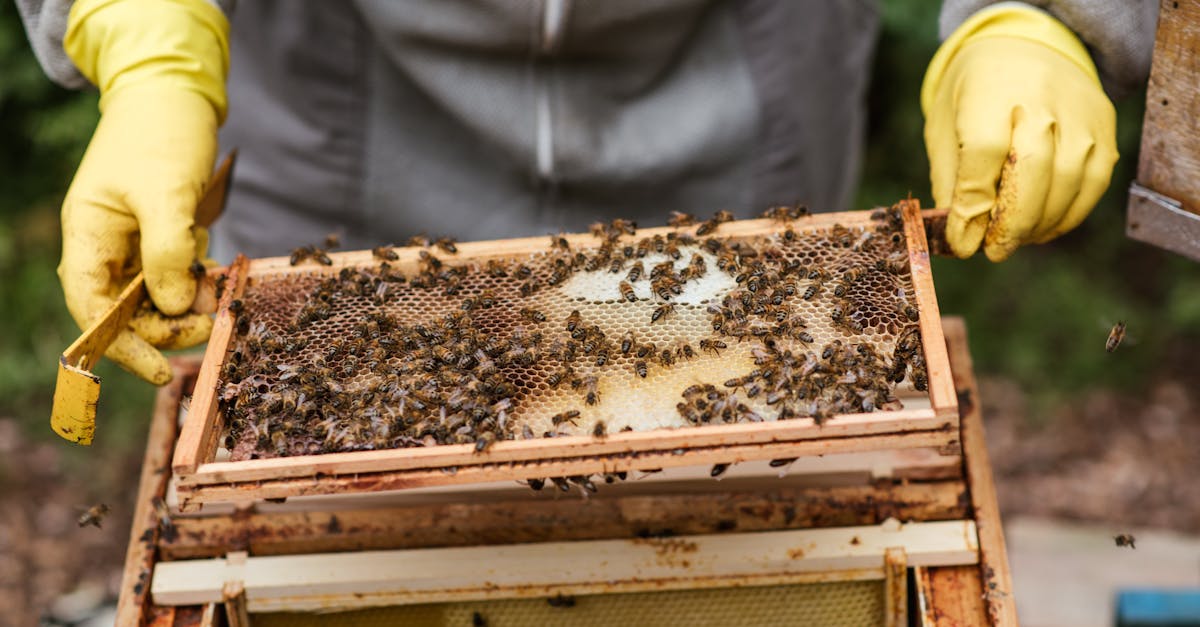
Why Beekeeping
The most accessible path to an ag exemption
Compared to cattle, hay, or crops, beekeeping requires less land, lower startup costs, and less ongoing labor.
6 hives on 5-20 acres
Common county floor at 5 acres. Counties scale the count up toward the 20-acre statutory cap. Hive counts are set by the appraisal district, not the Comptroller.
Live, active colonies
Each hive must contain a live colony with a laying queen and brood. Empty boxes don't count.
Documentation required
Inspection logs, purchase receipts, and harvest records. Some counties want a landscape/foraging plan.
| County | Hive Requirement | Note |
|---|---|---|
| Most counties | 6 hives at 5 acres, scaling up to the 20-acre cap | Set by each appraisal district |
| Hays County | 6 hives at 5 acres, +1 per additional 1.5 acres | Stricter + foraging plan required |
| Travis County | 1 hive per 2 acres above minimum | County-specific |
Always check your specific county's requirements before investing in equipment.
Investment
Cost breakdown for 6 hives
| Hive equipment (6 complete) | $800 - $1,500 |
| Bee packages or nucs (6) | $600 - $1,200 |
| Protective gear | $100 - $200 |
| Basic tools | $50 - $100 |
| Annual maintenance | $200 - $500/yr |
| Total first year | $1,500 - $3,000 |
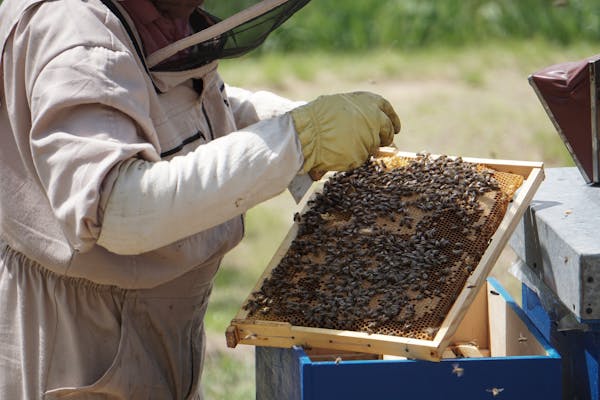
Maintenance
Ongoing requirements
Maintain hive count
Replace colonies that die within a reasonable timeframe.
Regular inspections
Monthly during active season, quarterly in winter. Log every inspection.
Manage for health
Treat for varroa mites and diseases. Neglected hives signal hobby, not agriculture.
Keep production records
Document what hives produce, even if not selling commercially.
Don't want to manage bees yourself? Many landowners hire a beekeeping consultant who places and manages hives for $800-$1,500/year. You keep the exemption, they keep the honey.
Beekeeping is one of several qualifying agricultural uses in Texas. Once established, you can also convert to a wildlife management valuation if your goals change. Read why beekeeping wins for small acreage.
Watch Out
Common mistakes
Not checking county rules
The Comptroller's guideline is a baseline, not the law. Your county may be stricter.
Placing empty hives
Appraisal districts inspect. Empty boxes with no bees don't qualify.
No documentation
Without inspection logs, receipts, and harvest records, you can't prove agricultural use.
Colonies collapse
Colony loss happens, but chronic failure to maintain count looks like abandonment.
Assuming auto-approval
Beekeeping is a qualifying use, but you still need to meet your county's standards and submit properly.
Skipping mite treatment
Varroa mites will kill colonies if untreated. Neglected hives undermine your agricultural claim.
Common Questions
Frequently asked questions
How many bee hives do I need for an ag exemption in Texas?
Tax Code 23.51(2) limits beekeeping-based valuation to land of not less than 5 and not more than 20 acres, so there is no tier above 20 acres. Hive counts are set by each appraisal district, not by the Comptroller. Six colonies at 5 acres is the common county floor, with more required as acreage rises: Hays County adds one colony per additional 1.5 acres, Travis County one per additional 2 acres. Always check your specific county.
How many acres do I need for a beekeeping exemption?
Most counties require a minimum of 5 acres for beekeeping as a qualifying agricultural use. Some counties may have slightly different minimums. This makes beekeeping one of the most accessible exemptions for small-acreage landowners.
What if my bees die? Do I lose the exemption?
Colony loss is common in beekeeping and most appraisal districts understand this. If you lose hives to disease, weather, or other causes, document the loss and take steps to replace them. Chronic failure to maintain the minimum hive count - especially if it looks like the bees were abandoned rather than managed - can lead to loss of the valuation.
Do I need to sell honey to qualify?
Not in most counties, but you need to demonstrate that the beekeeping operation is conducted with agricultural intent, not as a hobby. Some counties do ask for evidence of production - honey harvests, sales receipts, or records of pollination services. Keep records of everything.
Can I hire someone to manage my bees?
Yes. Many landowners lease their land to a beekeeper or hire a bee management service. The bees don't need to be owned by the landowner - what matters is that the land is being used for beekeeping as an agricultural activity. A lease agreement or management contract helps document this.
How much does it cost to start beekeeping for an ag exemption?
A basic setup of 6 hives typically costs $1,500-$3,000 including bees, hive boxes, protective equipment, and basic tools. Ongoing costs are relatively low - $200-$500 per year for feed, treatments, and replacement bees. Compare that to the thousands you save annually on property taxes.
Other Exemption Types
Explore other options
Check your county
Rules vary by county. Find local requirements and contacts.
Estimate your savings
See how much this exemption could save you annually.