Outbuildings on Ag-Exempt Land in Texas: How Barns and Sheds Are Taxed
Adding a barn, shop, or metal building to ag-exempt land in Texas? See how districts split D1 land, D2 improvements, and rollback risk before you build.

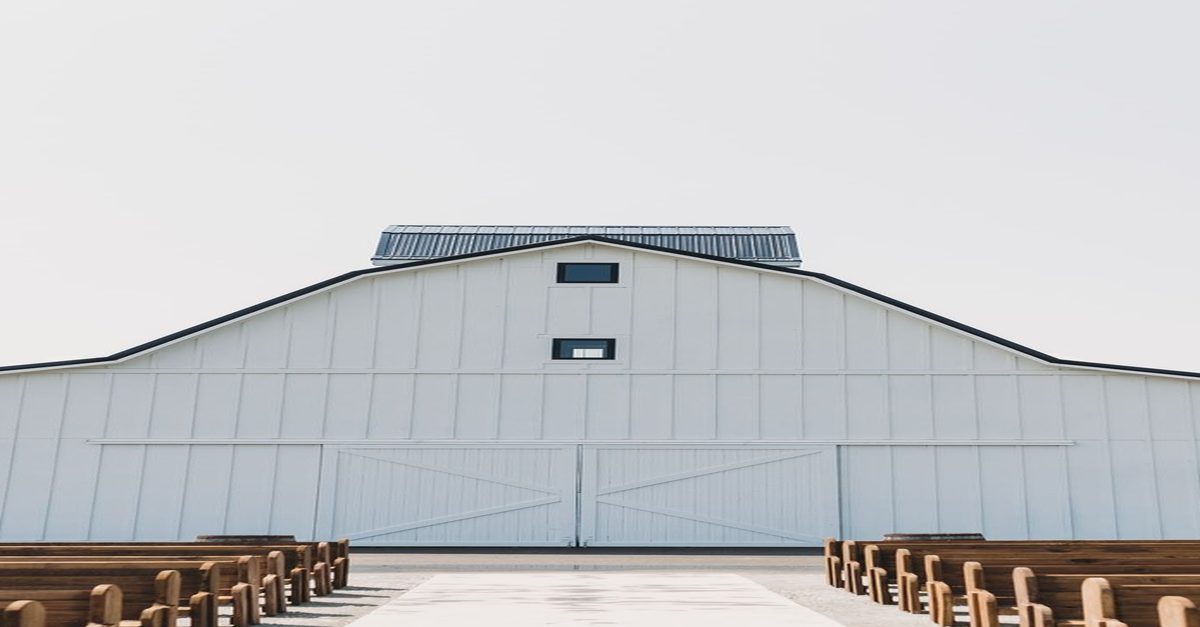
A new barn, shop, or equipment shed does not automatically end your Texas agricultural valuation or trigger a rollback. Agricultural appraisal applies only to land, never to improvements, so the building is taxed at market value while the ground under it keeps its productivity rate.
The fear that sends landowners into paralysis is real, though. District websites repeat one line, "agricultural appraisal applies only to land," and readers hear "your barn is a change of use." Those are two very different statements, and the "don't build anything or you will lose the exemption" advice that circulates in ranch circles is wrong as a general rule. This guide walks through how your parcel gets split on the appraisal roll, what decides whether a building helps or hurts you, and what to do before you pour a slab.
What You Need Before You Build
You will make better decisions with five facts in hand.
- Your appraisal account cards. Pull the current record for your parcel on your appraisal district's site. Note how the land is coded now (usually D1 for open-space land) and whether any improvements already sit in D2 or Category E.
- Your district's ag guidelines. Most Texas appraisal districts publish a 1-d-1 qualification or ag use document defining the structures and uses they accept. Read it before you buy materials, not after the notice arrives.
- A clear answer to one question: what does this building do for the operation? Hay and feed storage, calving and sick pens, equipment and implement storage, handling facilities, and shaded livestock cover all support the use test. A game room, a barndominium's living quarters, or a shop that repairs semis for paying customers does not.
- Your rollback facts. Texas rollback penalties covers the mechanics: three preceding years of the value difference for 1-d-1 land, no interest on 1-d-1 rollbacks under current law.
- Rough market-value context. Your structure will be taxed on what it is worth, so know approximately what your build will appraise at. The savings estimator puts your overall picture in context.
How Does the Appraisal Roll Split Your Property?
Texas productivity appraisal comes from Article VIII, Section 1-d-1 of the state constitution and Chapter 23, Subchapter D of the Tax Code. The Comptroller's Manual for the Appraisal of Agricultural Land states the rule flatly: agricultural appraisal applies only to land and appurtenances, and buildings and structures such as barns, sheds, silos, and other farm outbuildings must be appraised separately at market value.
So a single ranch account typically carries several categories at once. The Comptroller's Property Classification Guide defines the ones that matter to you.
| Piece of your property | Category | How it is valued |
|---|---|---|
| Pasture, cropland, and the ground under ag buildings | D1, qualified open-space land | Productivity (1-d-1) value |
| Barns, sheds, silos, garages tied to farming or ranching | D2, farm and ranch improvements | Market value |
| Your house, shop not tied to ag, and the land under them | Category E, rural non-qualified | Market value |
Two details from the classification guide are worth internalizing. First, it directs districts to classify farm and ranch improvements other than residences as D2, and it explicitly says the land beneath barns, sheds, silos, and other agricultural outbuildings stays in D1, not Category E. Second, the guide treats certain additions such as fences, ponds, wells, and trenching as part of the land itself, reported in D1 rather than appraised as separate improvements.
That is the mental model. Your building gets taxed like a building. Your grazing and hay ground keeps getting valued like grazing and hay ground, including the dirt the barn stands on, as long as the barn serves the operation.
Which Structures Help, Hurt, or Sit on the Fence?
Whether an outbuilding supports your ag use is a facts-and-circumstances test, and your chief appraiser decides it during inspections, which is why audit record keeping matters as much as the building itself. Our position after reading district guideline after district guideline: the buildings that get landowners into trouble are almost never the barns, they are the businesses that move into them. Here is how common structures generally land.
Usually safe, and often genuinely helpful
- Equipment and implement barns storing tractors, mowers, hay equipment, and fencing supplies
- Hay barns, feed storage, and buy sheds used to feed and work your own livestock
- Calving barns, squeeze chutes, working pens, and handling sheds
- Livestock shade structures and loafing sheds
- Wells, windmills, tanks, and cross fences, which most districts fold into land value
A well-used calving barn with fresh fencing is affirmative evidence that you are running a real operation. Districts that apply intensity standards for livestock counts routinely accept visible infrastructure as proof of management.
Appraised at market value but harmless to your land's status
- Metal shops and garages, ag or not: these are D2 or E improvements either way, taxed at market value
- A second barn or a larger barn, where the size is plausibly tied to acreage, herd, and equipment
The key distinction: an improvement being taxable is normal. Failing the principal-use test is what threatens the land.
Dangerous territory
- A shop, warehouse, or storage building rented to a business or used to store customers' goods
- A retail sales area, parts counter, or equipment rental yard on the tract
- Event space, party barn, or wedding venue: see our separate guide to wedding venues on ag-exempt land
- Living quarters in a barndominium, which bring the residence rules and Category E treatment for the homesite
The pattern is diversion of land area to a non-ag use. A building that costs you market-value tax on itself is one bill. A building whose footprint and acreage get diverted from agriculture is a different order of problem.
When Does a Building Become a Rollback?
Under Tax Code Section 23.55, a rollback on 1-d-1 land requires a change of use, and it reaches only the part of the property that changed. The statute recovers the difference between market-value and productivity-value taxes for each of the three years preceding the change of use. The statute itself is online if you want the exact wording.
Three practical consequences follow.
- Building does not equal changing use. Several district manuals spell out a two-part view: something physical must change, and agricultural use must actually stop on the affected land. A barn on ten acres of continuing pasture fails the second part.
- A partial change only touches that part. Section 23.55(d) limits a rollback to the portion diverted, not the whole tract. A few acres under a retail shop does not expose the rest of your cow pasture.
- Building a home is its own special case. Districts commonly allow one homesite on vacant ag-qualified land without rollback when the owner has not yet qualified the land, but adding a second house to a tract already ag-valued is treated as a change of use on the homesite acreage. Get your district's homesite rule in writing before you permit a second residence. This is the single most expensive misunderstanding we see.
WARNING
If a building on your land stops serving your operation, clean it up on paper before the inspector arrives. Repurposing the ag equipment barn into a customer storage warehouse is a use decision, and the chief appraiser finds out during field inspections. The rollback attaches to whoever owns the land when the use changes, not whoever built the building.
How Should You Plan a Build on 1-D-1 Land? Step-by-Step
Work these steps before construction crews touch the ground.
- Pull your account record from your district's site and confirm current D1 acreage and existing improvement categories.
- Read your district's ag guidelines for accepted structures, intensity standards, and the homesite policy. Search your district name plus "ag guidelines" or call the ag appraiser directly, the number is on your appraisal notice.
- Match the building to the operation, in writing. Keep one paragraph plus photos: the herd you winter, the hay this place cuts, the equipment this barn shelters. That file is what you show if anyone ever questions continued use.
- Size it to the operation. A barn sized for a much bigger ranch than the one you run invites questions a proportionate building on stocked pasture does not.
- Keep homesite, shop, and ag footprint distinct in fences, photos, and how you describe the property to anyone from the district to the insurance agent.
- Expect the improvement to appear on next year's roll at market value. That is normal and is not itself a red flag. Verify the measurements (footprint, height, finish level) on the notice are right, because appraisers work from permit data and aerial sweeps.
- Use the protest window if the numbers are wrong. Structure size errors are among the most winnable protests in rural Texas. The procedure is in our guide to protesting your ag land's appraisal.
What Are the Most Common Outbuilding Mistakes?
Mistake one: assuming a D2 line item means the ag exemption is in trouble. D2 exists precisely so districts can tax barns at market value without disturbing the land's D1 productivity value. Seeing your new barn appraised at market value alongside unchanged D1 land means the system is working as designed.
Mistake two: assuming an agricultural label on the building makes it exempt. There is no ad valorem exemption for farm buildings. The Tax Code exempts machinery and equipment used in production of farm or ranch products as implements of husbandry, but farm structures such as buildings, silos, and sheds are not exempt from taxation. Your tractor may carry no ad valorem tax; your shop over the tractor absolutely does.
Mistake three: letting the shop become the business. The tract that starts with a personal pole barn and quietly gains a "storage units" sign, a paying customer, and a commercial insurance policy is a tract headed for a change-of-use review.
Mistake four: building the second house first and asking later. The homesite sequencing traps (vacant land versus already-ag land, one home versus two) vary by district and by circuit, and the rollback math on homesite acreage near towns is unforgiving. Confirm your district's homesite treatment before you close on a build.
How Do You Verify the Result After Your Building Goes On the Roll?
- Your land's D1 line (or the acreage column beside it) still shows open-space appraisal for the acres you still farm or ranch.
- The new structure appears as its own improvement line, valued at market value, and its listed square footage matches reality.
- No rollback inquiry letter (districts may send a 23.55 change-of-use notice; you generally get a chance to respond before any bill).
- Next year's ag application status needs no action: an approved 1-d-1 designation continues automatically unless the district contacts you.
If all four hold, your build changed your tax bill the way the law expects: a little more tax on the building, the same deal on the dirt.
Where to Go Next
- Understand which valuation you actually hold with 1-d vs 1-d-1 explained.
- Know the penalty math before any use change in ag exemption rollback penalties.
- If you just bought land with buildings already on it, read transferring an ag exemption when buying land.
- Check your county's filing and inspection specifics in our county ag exemption guides, and if your structure's market value looks inflated, a property tax consultant can represent you at protest.
Sources
- Comptroller Manual for the Appraisal of Agricultural Land (96-300): agricultural appraisal applies only to land; barns, sheds, and silos are appraised separately at market value; land beneath farm improvements qualifies.
- Comptroller Texas Property Tax Assistance Property Classification Guide (96-313): Category D1, D2, and E definitions; D2 covers all barns, sheds, silos, and garages associated with farming or ranching; land under ag outbuildings stays D1.
- Texas Tax Code Section 23.55: rollback applies on change of use, reaches the three tax years preceding the change, and is limited to the portion of land that changed use.
- Texas Tax Code Section 11.161: implements of husbandry (production machinery and equipment) are exempt; farm buildings are not covered by that exemption.
Figures checked against the Comptroller's published guidance and current statute text, verified November 4, 2026. District-level application of homesite and intensity rules varies; confirm local practice with your appraisal district.