Texas Ag Exemption Audit: What Appraisal Districts Check
What triggers a Texas ag exemption audit, what records appraisal districts request, and how to protect your 1-d-1 agricultural valuation with documentation.
Yes, Texas appraisal districts can audit your agricultural exemption, and they do it more often than most landowners expect. An ag exemption audit is a formal review in which the chief appraiser asks you to prove your land still qualifies for 1-d-1 open space agricultural valuation under Texas Property Tax Code Section 23.51. If you cannot produce the records, you can lose the valuation and, if the district finds a change of use, face a rollback tax covering the three years preceding that change. The good news is that the standard is clear, the records are ordinary farm and ranch paperwork, and most audits end with the landowner keeping the exemption.
This guide explains what triggers an audit, what records appraisal districts request, how the degree of intensity standard works, and how to respond so you keep your tax savings. A 1-d-1 valuation can cut your property tax bill by 70 to 90 percent, which is exactly why districts spend time checking who qualifies. Understanding the audit process is the difference between a quick document review and a five-figure rollback bill.
What Triggers a Texas Ag Exemption Audit?
Most audits start with one of five events. The first is a change in ownership. When a tract sells, many appraisal districts automatically review the new owner's application and the property's history. If the prior owner had the valuation and the new owner files for it, the district checks that the agricultural use continued through the transfer. A change in ownership does not automatically end a 1-d-1 valuation, but it is the most common audit trigger in Texas.
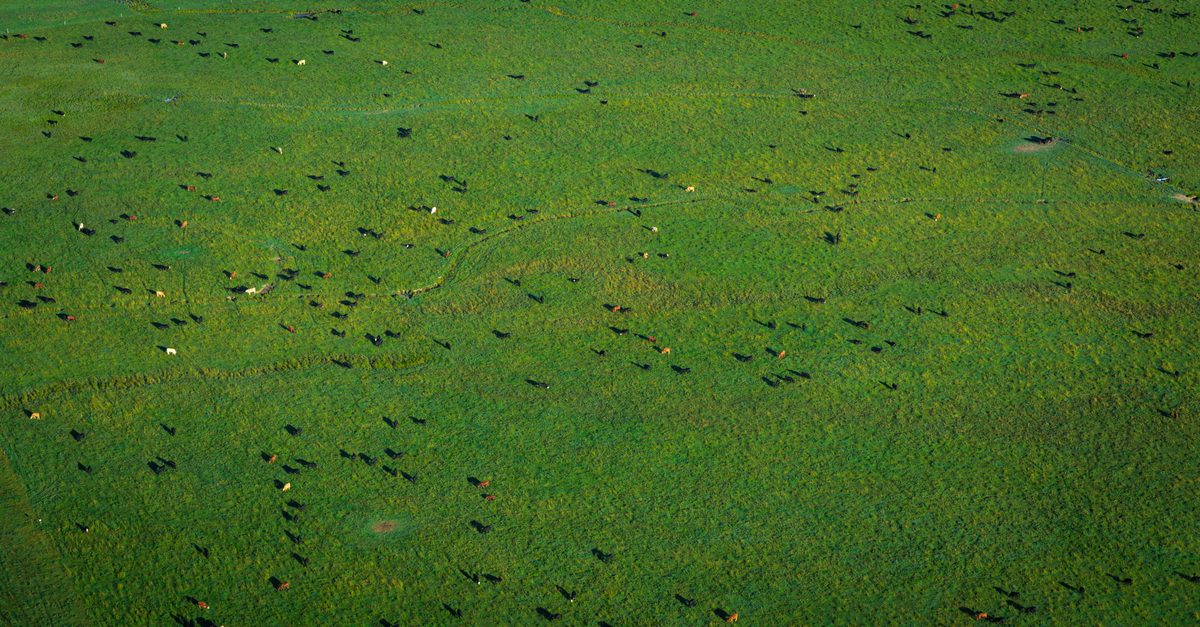
The second trigger is a visible change in use. Appraisal districts now use aerial imagery, and many compare photos year to year. If a tract that previously showed grazing or crops starts to show brush encroachment, bare soil, or new home construction, the district flags it for review. The third trigger is a size reduction. Selling off part of a tract can drop the remaining land below the district's minimum acreage, and districts re-examine whether the smaller tract still meets the local degree of intensity.
The fourth trigger is neighbor complaints. Districts receive reports of land that appears unused, and by law they must investigate potential ineligibility. The fifth trigger is an inconsistent filing history. If your prior applications listed livestock and your current application lists only brush control, or if you missed a renewal deadline, the district may open a review. Some larger districts, including Waller County Appraisal District, publish written agricultural valuation guidelines that describe exactly what they check, which tells you how systematic these programs have become.
What Records Do Appraisal Districts Request?
An audit notice typically lists the specific documents the chief appraiser wants to see. The list varies by district and by the type of agricultural use, but the core categories stay the same.
For grazing operations, districts commonly request a copy of your agricultural valuation application, a written lease agreement if the land is rented, livestock inventory records, brand inspections or sale barn receipts, feed and supplement receipts, veterinary records, and fencing or water system expenses. For crop operations, the list includes planting and harvest records, seed and fertilizer receipts, fuel receipts, and crop sales documents. For timber operations, districts want reforestation records, timber sale contracts, and proof of active management.
The common thread is proof of an agricultural purpose. Districts want to see that your land is producing a product for human or animal consumption, or for commercial trade within the agricultural economy of Texas. A lease alone is rarely enough. Districts also want to see that the operation is real, meaning money moves through it, animals or crops are present, and the activity matches what is normal for your area.
Keep copies of every application you file and every letter you receive from the appraisal district. A simple folder per tax year, with receipts and correspondence inside, is enough for most audits. You do not need a sophisticated system, but you do need a consistent one.
What Is the Degree of Intensity Standard?
The degree of intensity standard is the heart of every Texas ag exemption audit. Texas Property Tax Code Section 23.51(1) defines qualified open-space land as land currently devoted principally to agricultural use to the degree of intensity generally accepted in the area. That single sentence is what districts use to decide whether your operation qualifies.
Degree of intensity is measured by local farming and ranching practices. Districts look at stocking rates, planting rates, crop rotation, fertilization methods, and harvesting and marketing techniques, and they compare your operation to what a typically prudent farm or ranch manager would do in your county. The standard is deliberately local. What qualifies as intensive use in East Texas timber country is different from what qualifies on Hill Country grazing land, and the appraisal district's published guidelines for your county are the best source of the local numbers.
The Texas Comptroller's agricultural and timberland guide states the rule plainly: agricultural land must be currently devoted principally to agricultural use to the degree of intensity generally accepted in the area. Two words matter here. The use must be current, meaning happening now, not planned. And it must be the principal use of the land, meaning the agricultural activity is the main thing happening on the tract, not an occasional side activity.
This is the standard that fails most good-faith applications. A landowner who buys 20 acres, runs a few cows seasonally, and leaves the rest in native brush may own real land but may not meet the local degree of intensity. Districts compare acreage to animal units, and if your stocking rate falls far below the local norm, the audit ends with a denial.
How Long Should You Keep Ag Exemption Records?
Keep your records for at least seven years. That is not the rollback window, it is the history window. Qualifying for 1-d-1 requires showing agricultural use in five of the preceding seven years, so the older records are the ones that establish eligibility in the first place.
The rollback window is shorter. Under Texas Property Tax Code Section 23.55, if land appraised as 1-d-1 open space changes to a non-agricultural use, the additional tax covers the three years preceding the year of the change, and there is no interest on it. HB 1743 cut the lookback from five years to three effective September 1, 2019, and HB 3833 deleted the interest provision effective June 15, 2021.
In practice, keep records as long as you own the land. Eligibility travels with the land, not the owner, and if you ever sell, the buyer's application will reference your history. Districts may also review multiple years at once when they audit, and older records can prove that a current lapse is temporary rather than a permanent change of use.
A practical system: keep one folder per tax year with your application, lease, receipts, livestock or crop records, and photos dated from that year. Scan everything so you have a digital copy. The cost of a scanner is trivial compared to the cost of losing a valuation that saves you thousands of dollars every year.
What Should You Do If Your Appraisal District Audits You?
Do not ignore the notice. The single biggest mistake landowners make is treating an audit letter as optional. It is not. When the notice arrives, read it carefully, note the response deadline, and start gathering the requested documents.
If you have the records, assemble them in the order the notice requests them, make copies, and deliver them before the deadline. If you are missing something, do not invent it. Provide what you have, explain the gap, and ask the district what alternative evidence it will accept. Districts will work with landowners who are clearly operating an agricultural business, and they are far less patient with silence.
If the district denies your valuation after the audit, you have appeal rights. You can file a protest with the Appraisal Review Board, generally by May 15 or within 30 days of the notice, whichever is later. The protest triggers a hearing where you can present your records in person. If the board rules against you, you can appeal to district court or, in some cases, to the State Office of Administrative Hearings. An agricultural tax consultant or a property tax attorney can handle the protest for you, and the fee is often worth it when a rollback bill is on the line.
What Happens If You Fail an Ag Exemption Audit?
Failing an audit means the district removes the agricultural valuation and reappraises the land at market value for the current tax year. If the district also determines the use of the land changed, the rollback tax kicks in. For 1-d-1 open space land, the rollback equals the difference between the taxes paid under agricultural valuation and the taxes that would have been owed on market value, for each of the three years preceding the year of the change. The change-of-use year itself is not included, and no interest is added to the penalty. The full mechanics are covered in our ag exemption rollback penalty guide.
A rollback bill can still reach five figures on an appreciating tract, because three years of the gap between market value and productivity value is a large number in a fast-growing county. This is why the audit conversation is really a record-keeping conversation. Landowners who can document continuous agricultural use rarely lose, because the evidence shows the use was real. Landowners with empty folders lose, because the law places the burden on the property owner to show eligibility.
After a denial, you must reapply to restore the valuation, and the district will scrutinize the new application closely. Reapplying is not automatic, and some districts require a new owner or a proven change in operation before they will grant a new 1-d-1 valuation. The path forward is to fix the underlying issue, whether that means restocking, adding a written lease, or starting a wildlife management plan, and then reapply with full documentation.
How Do You Avoid an Ag Exemption Audit?
You cannot fully prevent an audit, because districts audit at their own discretion, but you can make your property nearly audit-proof with a few habits. Keep your records current every year, not just when a notice arrives. File your renewal application on time if your district requires one. Maintain visible agricultural activity year round, because aerial imagery does not lie, and a tract that looks abandoned will get flagged.
Keep brush and invasive species under control, maintain fences and water, and make sure any lease is in writing with the landowner and the tenant clearly identified. If you change the use of part of the tract, such as building a home site or selling off acres, talk to the appraisal district before the change and confirm how it affects the remaining agricultural land. A small, documented change is much easier to defend than a surprise discovered in an audit.
Do Wildlife Management Plans Get Audited?
Yes. Wildlife management valuations receive the same documentation scrutiny as traditional agricultural use. The Texas Comptroller and individual appraisal districts publish wildlife management guidelines, and districts can request your wildlife management plan, your activity logs, and proof that the activities were actually performed. Land converted to wildlife management must have qualifying agricultural history, and districts check that history during the review.
Keep your Texas Parks and Wildlife approved plan current, log each management activity with dates, take dated photos, and keep receipts for feed, water improvements, and habitat work. If you are considering converting from grazing to wildlife management, read the requirements first, because the conversion rules are strict and the documentation burden is real. Our guide on wildlife versus ag exemptions explains how the two valuations compare and when conversion makes financial sense.
Where Can You Get Help With an Ag Exemption Audit?
If the notice is confusing, the deadline is close, or the district has already denied your valuation, get professional help before the protest deadline. An agricultural tax consultant can review your records, identify gaps, and represent you at the Appraisal Review Board hearing. Find an agricultural tax consultant in our services directory, or browse featured consultants who handle ag exemption disputes across Texas. You can also start with the Texas Comptroller's agricultural and timberland guide, which is the official explanation of the rules, and the full text of Texas Property Tax Code Chapter 23, which contains the audit and rollback statutes.
The bottom line: a Texas ag exemption audit is a documentation test, not a mystery. The appraisal district wants to see that your land is currently and principally devoted to agricultural use at a level normal for your area. Keep seven years of organized records, keep the land visibly active, respond to every notice on time, and you will pass almost any audit the district throws at you.
Sources
This reflects Texas law as of August 2026, including HB 1743 (86th Legislature, effective September 1, 2019), which cut the open-space rollback from five years to three, and HB 3833 (87th Legislature, effective June 15, 2021), which removed rollback interest.
- Texas Tax Code Section 23.51 - qualified open-space land and the degree of intensity standard
- Texas Tax Code Section 23.55 - additional tax on change of use, three preceding years, no interest
- HB 1743 (86th Legislature) and HB 3833 (87th Legislature)
- Texas Comptroller, Agricultural and Timber Property Tax - the official program overview
- Manual for the Appraisal of Agricultural Land - the appraisal methodology districts follow
Verified August 6, 2026. Audit practices, requested document lists, and local degree of intensity standards are set by each appraisal district and vary by county.