Can You Get an Ag Exemption on Leased Land in Texas?
Yes, leased land can qualify for the Texas ag exemption if the operation meets your county's intensity standard. Here's how to apply and protect the valuation.
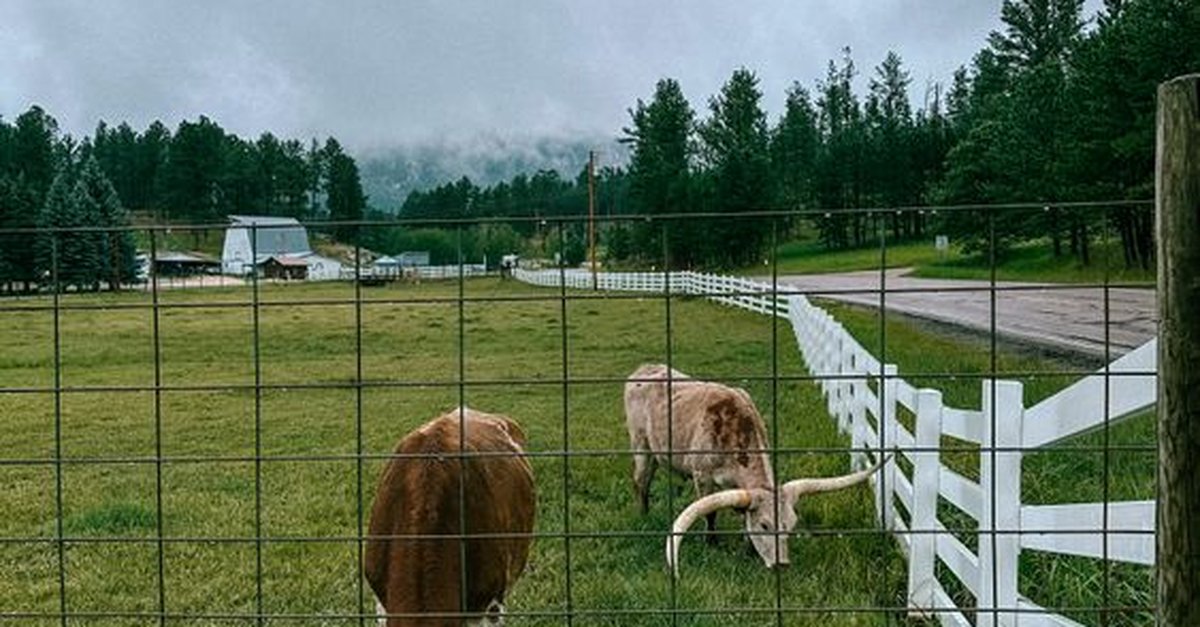
Yes, you can get a Texas ag exemption on leased land. The 1-d-1 open-space appraisal follows the land's use, not who operates it, so a tenant's qualifying agricultural operation can support the landowner's application. The owner files Form 50-129 with the county appraisal district by April 30, and the tenant's cattle, crops, or hay operation must meet the same degree of intensity standard the district applies to owner-operated land.
This is one of the most common questions we hear from landowners who lease their pasture or farm ground. The short answer is straightforward, but the details matter: who signs the application, what the lease should document, when a hunting lease creates a problem, and what happens when the lease ends. Here is what to know in 2026.
How does the ag exemption work on leased land?
The Texas agricultural exemption, formally the 1-d-1 open-space land valuation, taxes eligible land on its productivity value instead of its market value. Productivity value reflects what the land can earn through agricultural production, which is almost always far below what a buyer would pay for the tract. For most landowners the result is a 70 to 90 percent reduction in the taxable value of the land.
The Texas Constitution and Tax Code direct that qualifying farm and ranch land be appraised this way, and the Texas Comptroller publishes the standards all 254 appraisal districts follow. The key test is in how the land is used. To qualify, land must be devoted principally to agricultural use to the degree of intensity generally accepted in the area, and it must have been in qualifying use for 5 of the previous 7 years.
Nothing in that test requires the landowner to be the person doing the farming or ranching. A lease is a business arrangement about who operates the land; it does not change the character of the land's use. When a tenant runs a qualifying operation, the land is still devoted principally to agricultural use, and the owner can apply for the valuation. Appraisal districts routinely approve applications supported by lease agreements, and lease documentation is standard evidence in the application file.
Who applies for the ag exemption on leased land?
The landowner applies, not the tenant. The application asks who owns the land, how it is used, and who operates it. The owner signs the application, and the tenant's operation is what the district evaluates.
If you lease your land out and want the ag exemption, you should:
- List the agricultural use accurately, including the operation the tenant runs.
- Identify the tenant and the lease terms when the application asks for them.
- Keep a copy of the lease in your records, even if the district does not require it at filing.
- Coordinate with the tenant before you file, so the district hears a consistent story about the operation.
Some appraisal districts ask for additional evidence when the owner is not the operator. That is routine, not a red flag. Be ready to show the lease, recent activity on the land, and any records the tenant can share: livestock counts, hay cuttings, or crop documentation.
If you are the tenant, you cannot file the application in your own name, but you have a strong interest in the outcome. The exemption lowers the land's tax bill, which can support a higher lease rate or a longer lease term. A tenant who wants the land to stay in ag valuation should cooperate fully with the owner's application and keep the operation at the county's expected intensity.
What does the appraisal district actually check?
The same three requirements apply to leased land as to owned land: use history, acreage, and intensity.
First, the 5-of-7-year history. The land must have been devoted principally to agricultural use for 5 of the previous 7 years. If you recently bought the land and the prior owner had it in ag valuation, that history transfers to you as long as you continue the use. If you bought raw land with no history, the clock starts when qualifying use begins, which matters for lease negotiations: a new lease on land with no history does not produce a valuation until the history builds.
Second, acreage. There is no statewide minimum. Most counties apply standards between 5 and 20 acres, and some have no formal minimum and evaluate intensity alone. The practical effect for leased land: a 10-acre tract that meets your county's minimum can qualify with a proper tenant operation, while the same tract would not qualify in a county with a 20-acre expectation. Check the standards for your specific county before you sign or renew a lease.
Third, the degree of intensity standard. This is where most leased-land applications fail. The tenant's operation must look like the operations typically run in that county. Running 2 cattle on 50 acres where the local standard is 1 animal per 10 acres will not qualify, regardless of the lease terms. The district will look at stocking rates, fencing, water, and evidence of commercial intent. A "hobby" classification is the risk: if the activity cannot be shown as a genuine agricultural operation, the application is denied.
Our guide on how to get the ag exemption covers the application mechanics, and the acreage minimums by county post lists the standards by use type.
Do cash leases, share leases, and crop leases all qualify?
Yes, in general. The form of the lease does not decide eligibility; the use of the land does.
- Cash leases, where the tenant pays a fixed rent per acre or per year, are the most common and the easiest to document.
- Share leases, where the tenant pays a percentage of the crop or livestock proceeds, are equally valid and actually provide stronger evidence of commercial agriculture because the owner shares in production.
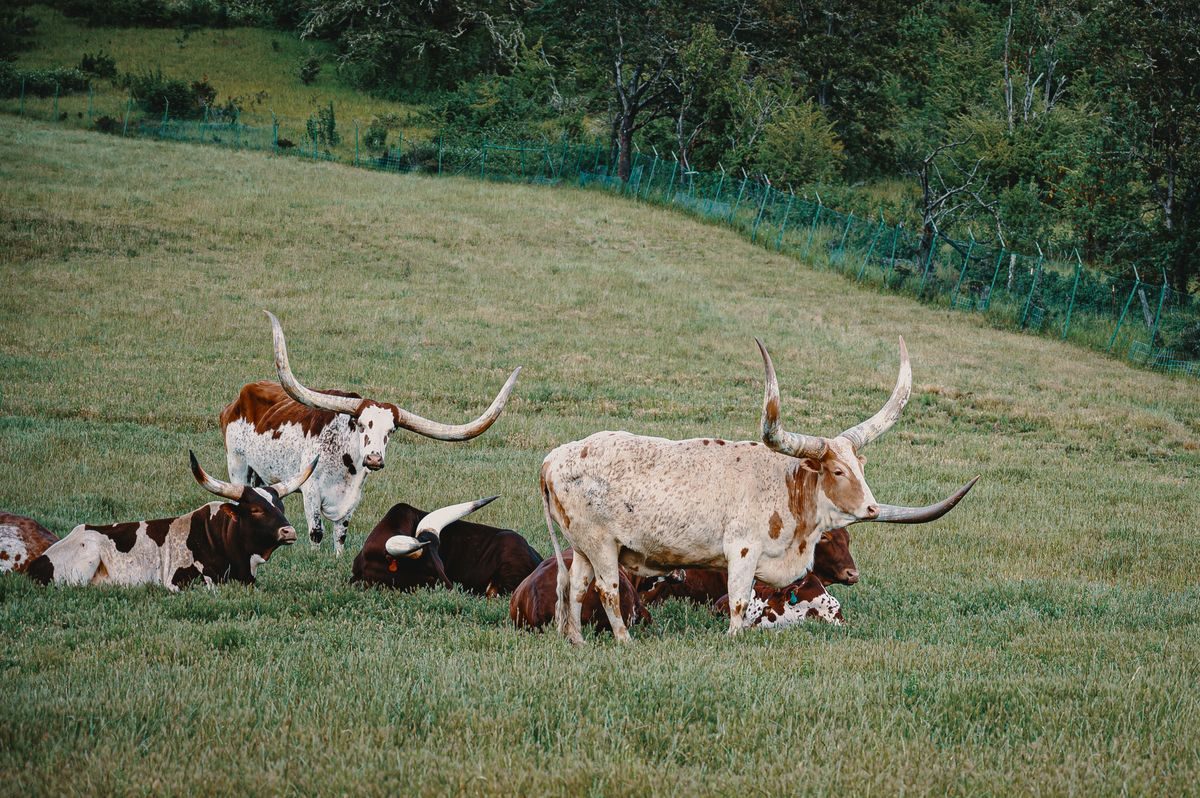
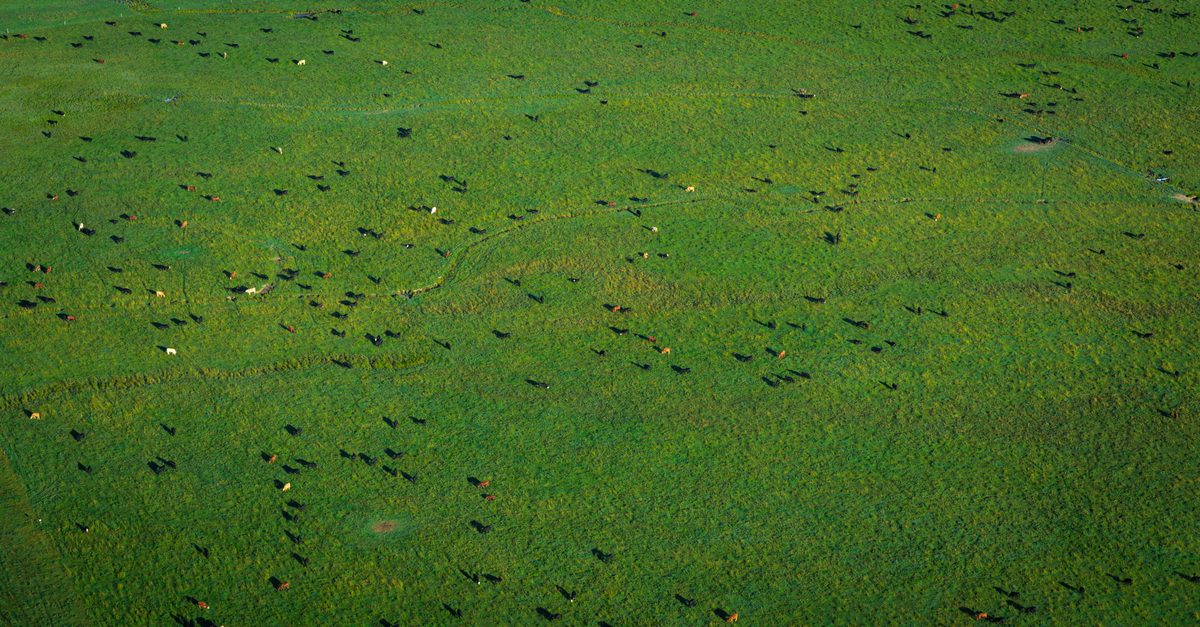
- Grazing leases for cattle, sheep, or goats qualify when the stocking rate meets the county standard.
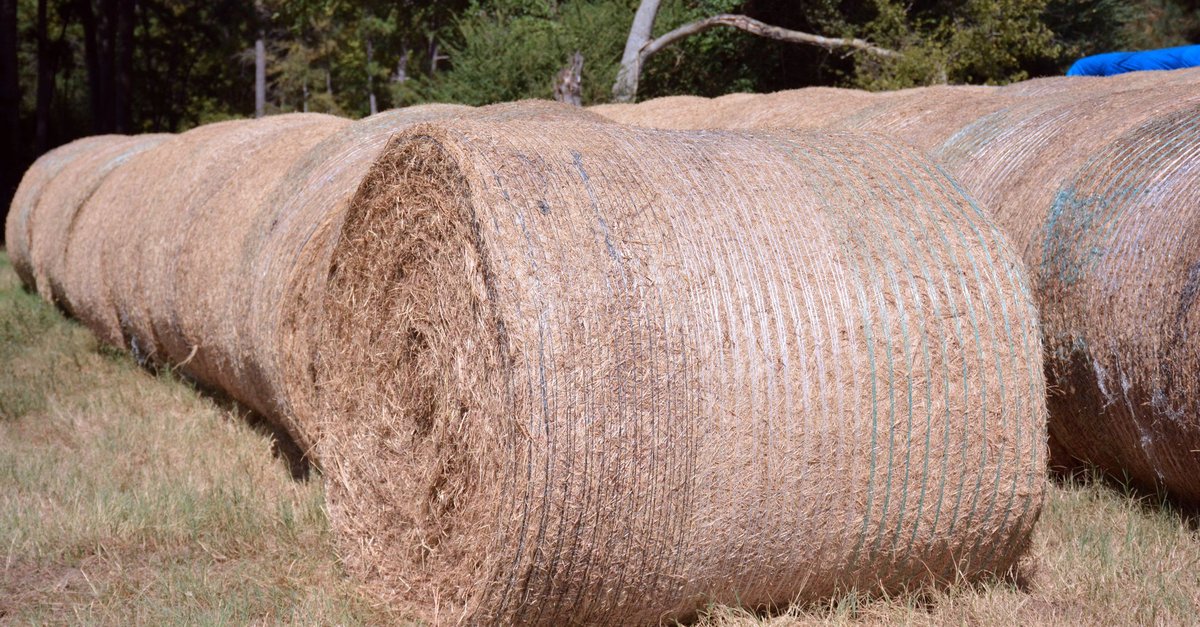
- Crop leases qualify when the land is actually planted and harvested at the county's expected intensity.
- A lease to a relative or a neighbor for a token amount can still qualify if the use is genuine, but the relationship will not excuse a weak operation.
What matters is what happens on the land, not the payment structure. A written lease with a clear term, a description of the land, and a statement of the agricultural use makes the application cleaner. An unwritten lease does not disqualify the land, but it forces the district to rely entirely on physical evidence of the use.
If the lease allows the tenant to stop agricultural use and use the land for something else, the valuation is at risk. The lease should be written so that the primary use stays agricultural for the life of the term.
Can you convert leased land to wildlife management use?
Yes, with an important limitation. To switch land to wildlife management use, the land must generally already qualify for agricultural appraisal under Tax Code Chapter 23, Subchapter D, the 1-d-1 open-space program, or Subchapter E for timberland, at the time of the change. The Texas Comptroller's Guidelines for Qualification of Agricultural Land in Wildlife Management Use state this requirement directly.
That means you cannot jump straight from a market-value appraisal to wildlife management use on leased land. The land must first qualify as agricultural land under the standard rules, then the owner can change the use category to wildlife management and implement the required wildlife management practices.
A hunting lease raises a separate question. If you lease the hunting rights, the district will ask who is actually managing the wildlife. Wildlife management use requires the land to be used to manage native wildlife, and districts differ on how they treat an owner who has leased away the hunting rights. Ask your appraisal district how it treats hunting leases on wildlife management land before you file. Our comparison of wildlife versus ag exemption explains the tradeoffs between the two use categories.
What changed in 2026 for open-space land?
One change matters directly for leased land: HB 1244, from the 89th Legislature, effective January 1, 2026. The bill lets qualified open-space land keep its appraisal after a transfer to a person who uses the land in materially the same way as the former owner, and it addresses late applications filed by new owners.
This matters for leased land because the tenant often keeps operating through a sale. If you buy land that is under a lease and the tenant's operation continues unchanged, the continuity rules make it easier to keep the valuation without a gap. Confirm the filing requirements with your appraisal district and keep the lease and use records from the seller.
What happens to the exemption when a lease ends?
When the lease ends and the agricultural use stops, the land loses the valuation, and the owner owes rollback taxes. The rollback is the difference between what was paid at productivity value and what would have been owed at market value, for the three years preceding the year of the change, with the change year itself excluded. On 1-d-1 open-space land, Tax Code 23.55 adds no interest to the rollback, but on valuable land the total can still be substantial.
The owner owes the rollback, not the tenant. That risk is one reason leases should address what happens if the tenant walks away mid-term: who restores the use, who pays if the land is converted, and what notice is required. A lease that ends with the land immediately re-leased to another qualifying operation avoids a gap in use history.
If the tenant stops using the land and you cannot find a replacement operator quickly, act fast. A lapse in qualifying use can reset the history requirement, and an idle year counts against the 5-of-7 test. The full mechanics of the rollback penalty are covered in our dedicated guide.
Frequently asked questions
Do I need to own livestock to claim an ag exemption on leased land?
No. Ownership of the livestock is not required. The land's use is what qualifies. A tenant's livestock operation, documented through the lease and the district's inspection, supports the owner's application. The district will verify the operation is real and meets the intensity standard, not who holds title to the animals.
What if my tenant stops farming mid-lease?
The exemption is at risk immediately. The land must stay in qualifying use, or the owner faces a rollback and a broken use history. Review the lease's remedies, and have a plan to re-lease or operate the land yourself if the tenant defaults.
Does a hunting lease count as agricultural use?
Generally no. Hunting leases are not agricultural use for the 1-d-1 test on their own. If the land has a genuine agricultural operation alongside the hunting lease, such as grazing with a hunting lease layered on top, the agricultural use can still qualify. If hunting is the only use, the land does not qualify, and wildlife management use has its own separate requirements.
Does the lease need to be in writing?
No, but a written lease makes the application materially easier. A written lease with a term, a legal description, and a statement of agricultural use is clean documentation. With a verbal lease, the district relies on physical evidence alone, which is thinner support for a valuation that can save tens of thousands of dollars a year.
Treat the exemption as a shared asset with your tenant. Put the agricultural use requirement in the lease, keep copies of every document the district might request, and review the operation against the county's intensity standard at renewal time. If you are unsure whether your lease arrangement qualifies, ask your appraisal district before the April 30 deadline, not after a denial.
A quick review of the current operation against the county standard costs nothing and can prevent a surprise rollback. If you need help evaluating your situation, find an agricultural valuation consultant in our directory or see our featured consultants for firms that work with leased agricultural land across Texas.
Sources
This guide reflects Texas Tax Code Chapter 23, Subchapter D (1-d-1 open-space appraisal), Subchapter E (timberland), and Section 23.521 (wildlife management use), plus HB 1244 from the 89th Legislature effective January 1, 2026, as of August 7, 2026.
- Texas Comptroller: Agricultural, Timberland and Wildlife Management Use Special Appraisal - the statutory framework for productivity value appraisal and wildlife management use under Tax Code 23.521
- Guidelines for Qualification of Agricultural Land in Wildlife Management Use (PDF) - the requirement that land qualify for agricultural appraisal under Chapter 23, Subchapter D or E at the time of change to wildlife management use
- Texas Legislature: HB 1244, 89th Legislature, bill history - caption and effective date (January 1, 2026) for open-space appraisal continuity and late applications by new owners
- Texas Comptroller: Application for 1-d-1 (Open-Space) Agricultural Use Appraisal, Form 50-129 - the form landowners file with their county appraisal district
Verified August 7, 2026. County-specific requirements, including acreage minimums and intensity standards, vary by appraisal district; confirm your county's rules before filing.