Wildlife Exemption vs Ag Exemption in Texas: What You Need to Know
Wildlife management isn't an alternative to ag in Texas - it's a conversion. Learn when to switch, the 3-of-7 practices rule, and what qualifies.
A wildlife exemption in Texas is not an alternative to an ag exemption. It's a conversion from one. You cannot apply for wildlife management valuation on land that doesn't already have an agricultural valuation. This is the single most misunderstood part of Texas property tax law for landowners, and getting it wrong can cost you years of effort and thousands of dollars.
Here's how the two valuations actually work, when it makes sense to convert, and what the state requires.
They're Not Either/Or
Under Texas Tax Code Section 23.51(7), land qualifies for wildlife management valuation only if it was appraised as qualified open-space land or as timber land at the time the wildlife management use began. In practice that means the tract carried the ag or timber valuation in the year before you converted.
There is no separate multi-year holding period for wildlife. The often-repeated claim that you must sit on an ag valuation for five years before converting is not in the statute. What you do need is the underlying ag qualification, which itself requires agricultural use in five of the preceding seven years under Tax Code 23.51(1). Once the land has that valuation, you can convert the following year.
Think of it this way:
- Agricultural valuation (Tax Code 23.51) is the foundation
- Wildlife management valuation (Tax Code 23.521) is a layer you can add on top of that foundation
You can't skip the first step. A landowner who buys raw land with no agricultural history and immediately applies for wildlife management will be denied. You need the ag valuation first, through cattle, hay, beekeeping, or another qualifying activity.
How Agricultural Valuation Works
An ag exemption (technically an "agricultural open-space valuation") taxes your land based on what it can produce agriculturally, not what it's worth on the open market. A 20-acre tract near Austin might have a market value of $800,000, but an agricultural production value of $15,000. Your property taxes are calculated on that lower number.
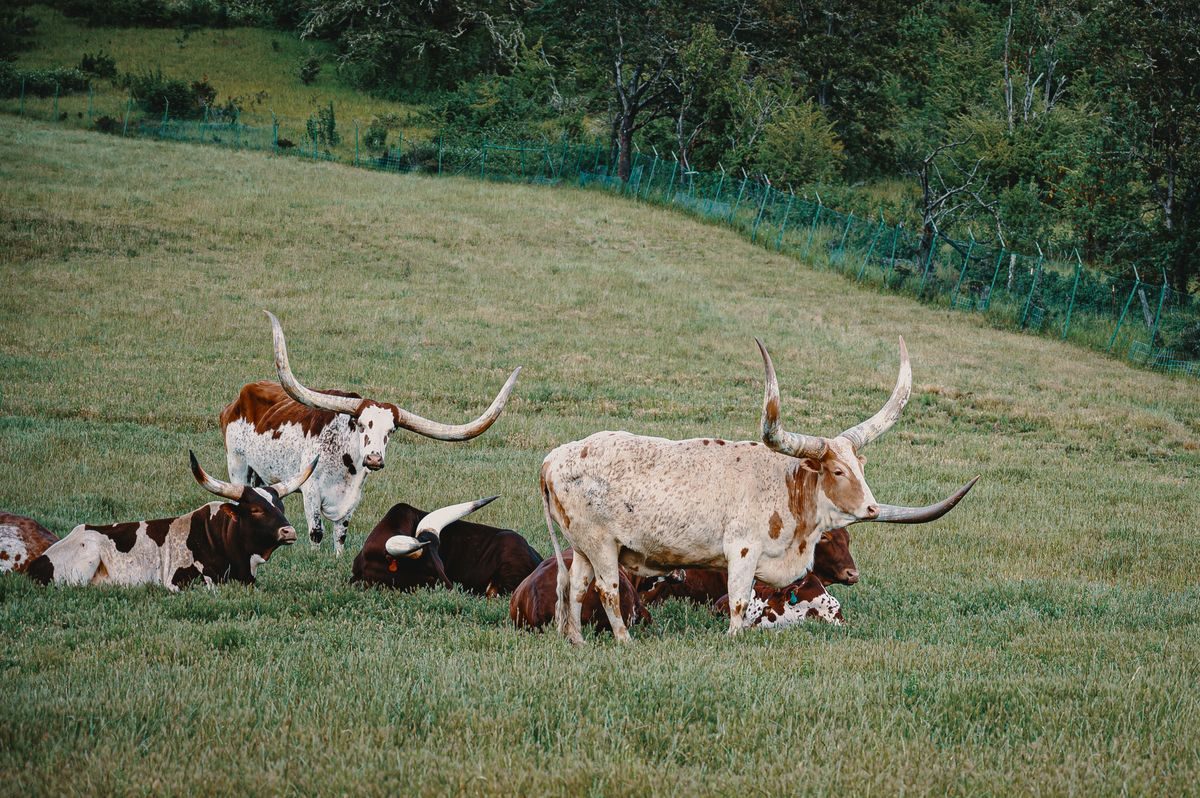
To qualify, you must actively use the land for a qualifying agricultural purpose - raising livestock, growing crops, producing hay, or maintaining bee hives. The use must meet your county's "degree of intensity" standard, which means you're operating at a level consistent with what a prudent farmer or rancher in your area would do.
How Wildlife Management Valuation Works
Wildlife management valuation gives you the same tax benefit as ag - your land is appraised on production value, not market value. The difference is in what you do with the land.
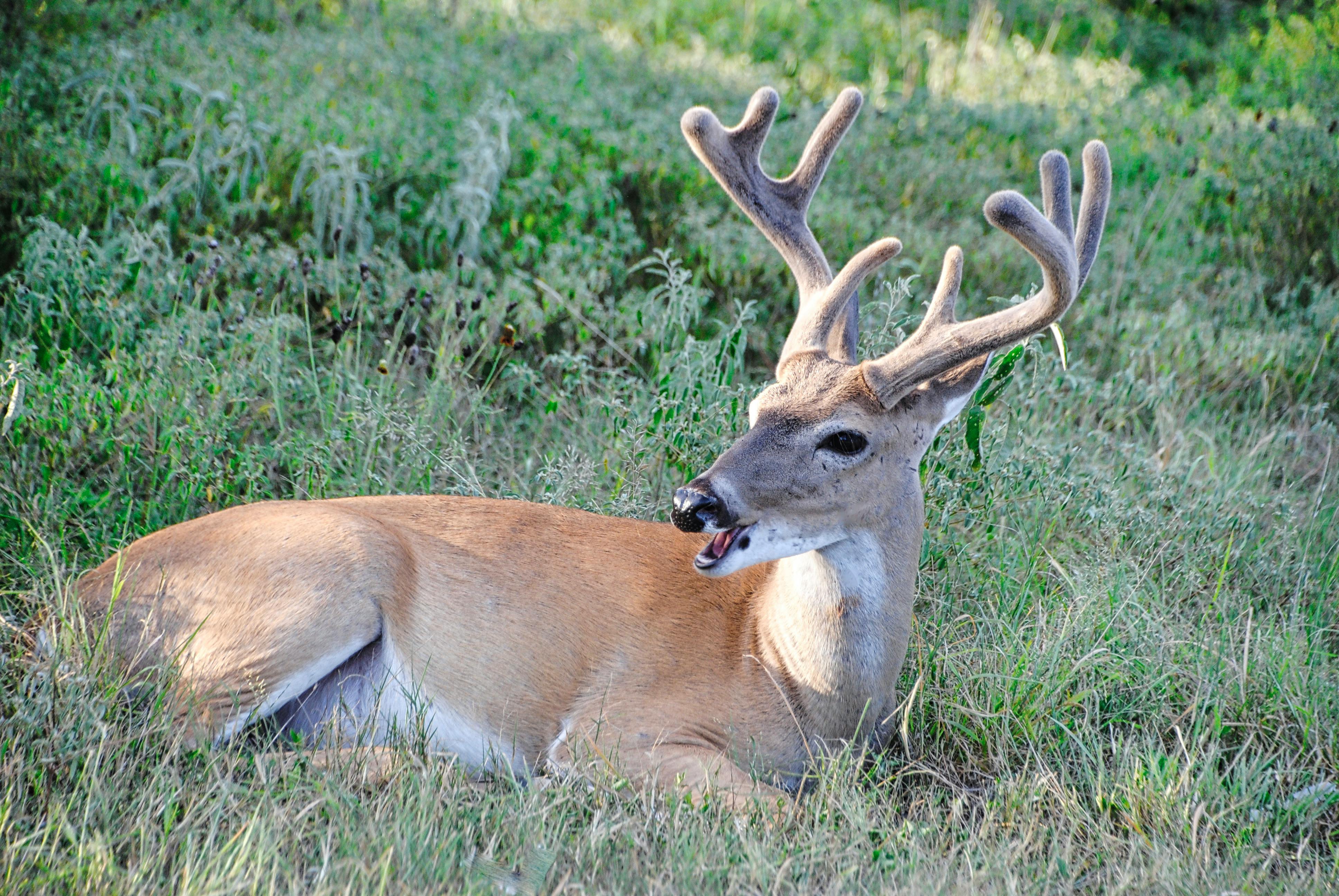
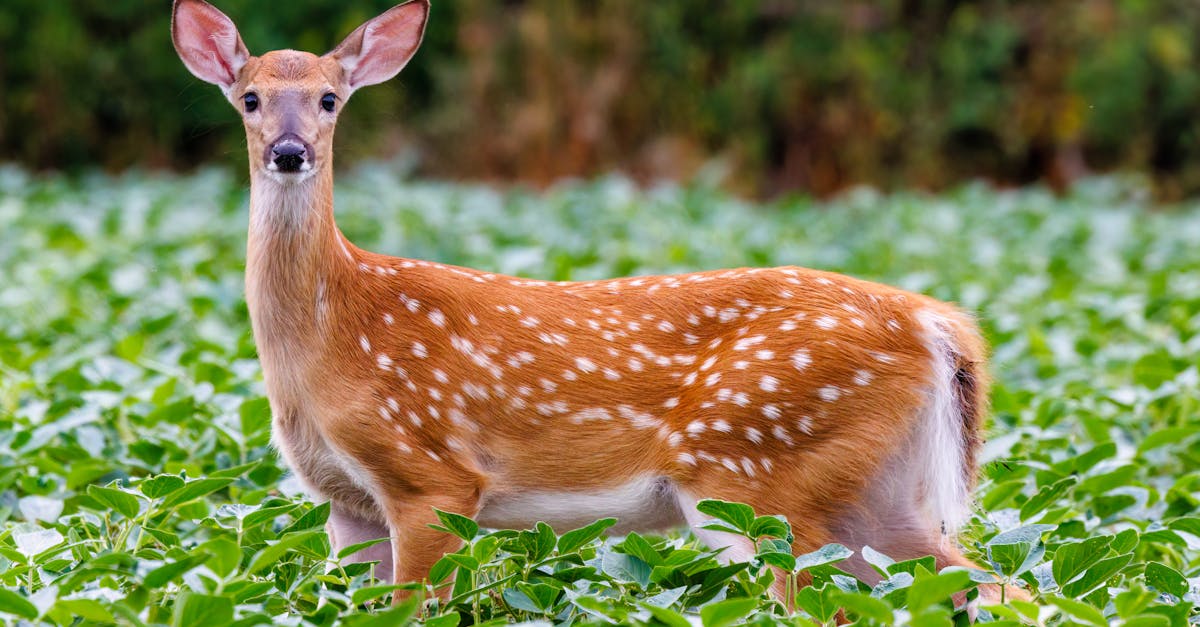
Instead of running cattle or cutting hay, you manage the property to sustain breeding populations of indigenous wildlife. This could mean white-tailed deer, quail, songbirds, pollinators, or other native species.
The 3-of-7 Rule
To qualify, you must actively perform at least 3 of these 7 wildlife management practices on your land:
- Habitat control - managing vegetation through prescribed burns, brush management, or native plantings
- Erosion control - terracing, water bars, cover crops, or other soil conservation measures
- Predator management - controlling populations of predators that threaten target wildlife species
- Providing supplemental water - installing stock tanks, drip systems, or other water sources for wildlife
- Providing supplemental food - food plots, feeders, or managed native food sources
- Providing supplemental shelter - nesting boxes, brush piles, or managed cover areas
- Census counts - conducting population surveys using game cameras, spotlight counts, or transect surveys
Every county in our database requires exactly 3 of these 7 practices. You choose which 3 make sense for your property and the species you're managing for. The practices must be documented in a wildlife management plan that you file with your county appraisal district.
When to Convert from Ag to Wildlife
Converting makes sense in several specific situations:
Your Land Isn't Productive for Traditional Ag
Some properties just aren't suited for cattle, hay, or crops. Rocky Hill Country terrain in Burnet County or Llano County might support a few goats but never produce enough to meet intensity standards consistently. If you're struggling to maintain your ag valuation because the land isn't cooperating, wildlife management may be a better fit.
You Want to Stop Running Livestock
Maybe you're tired of the daily work of feeding and watering cattle. Maybe the fencing costs are eating into the tax savings. Wildlife management lets you maintain your favorable tax valuation without the ongoing expense and labor of livestock operations.
The Land Has Good Native Habitat
Properties with diverse native vegetation, water features, and natural cover are strong candidates for wildlife management. Hill Country properties in the Edwards Plateau region - Gillespie County, Kendall County, Comal County - are particularly well suited because of their existing wildlife populations and native habitat.
You're Managing for Conservation
Some landowners genuinely want to support native wildlife populations. Wildlife management valuation aligns the tax incentive with the conservation goal. You get the same tax benefit as ag while actively improving habitat for native species.
Key Differences Between Ag and Wildlife Valuations
| Factor | Agricultural | Wildlife Management |
|---|---|---|
| Prior valuation required | No - apply directly | Yes - land must already be appraised as open-space or timber when the wildlife use starts |
| Qualifying activity | Farming, ranching, beekeeping | 3 of 7 management practices |
| Management plan required | No (but documentation helps) | Yes - filed with appraisal district |
| Annual reporting | Varies by county | Annual report on activities performed |
| Minimum acreage | Varies (5-20 acres) | Same as ag minimums in most counties |
| Tax valuation method | Same production-based formula | Same production-based formula |
| Rollback if you lose it | 3 preceding years, no interest | 3 preceding years, no interest |
The tax savings are essentially identical. Both valuations use the same production-based appraisal method. The difference is entirely in what you do with the land.
Minimum Acreage for Wildlife
Most counties apply the same minimum acreage requirement for wildlife as they do for ag. But there are exceptions.
Hays County requires a minimum of 20 acres for a stand-alone wildlife tract, or 12.5 acres if the property is part of a larger wildlife management area. That's notably higher than their 5-acre beekeeping minimum or 10-acre ag minimum.
Fort Bend County sets the wildlife minimum at 12.5 acres, compared to 10 acres for standard ag.
Check your specific county's wildlife requirements before committing to a conversion. Our county pages list the wildlife minimums for each covered county.
The Wildlife Management Plan
This is not optional. Your wildlife management plan must include:
- Target species you're managing for (must be indigenous to your county)
- Which 3 practices you'll implement and how
- A property map showing habitat types, water sources, and management areas
- A timeline for when practices will be conducted
- Documentation methods - how you'll record and report activities
Many landowners work with a wildlife biologist to create their plan. Texas Parks and Wildlife Department offers technical guidance, and some counties have biologists on staff or under contract who can help. The plan typically needs to be filed with your appraisal district when you apply for the wildlife valuation.
Common Mistakes to Avoid
Applying without prior ag valuation. You will be denied. If you just bought land with no agricultural history, start with beekeeping or another ag activity, get the open-space valuation in place first, then convert.
Not documenting your practices. Filing a wildlife management plan isn't enough. You need to show that you're actually performing the practices. Take photos, keep a log, save receipts for materials and equipment. Appraisal districts can and do request proof.
Choosing the wrong target species. Your target species must be indigenous to your area. Managing for a species that doesn't naturally occur in your county won't satisfy the requirement.
Ignoring the annual report. Most counties require an annual report documenting what management activities you performed that year. Miss the report and you risk losing your valuation.
How to Start the Conversion
If you already have an ag valuation and want to switch to wildlife management:
- Verify eligibility - confirm the tract is currently appraised as open-space or timber land
- Check your county's wildlife requirements on our county page
- Develop a wildlife management plan (consider hiring a biologist for the first year)
- File the plan and application with your appraisal district by April 30
- Implement your 3 chosen practices and document everything
For landowners who don't yet have the underlying valuation, learn about the easiest agricultural exemptions to establish that foundation as efficiently as possible. Once the open-space valuation is on the property, wildlife management becomes an available option.
Sources
This reflects Texas law as of August 2026, including HB 1743 (86th Legislature, effective September 1, 2019), which cut the open-space rollback from five years to three, and HB 3833 (87th Legislature, effective June 15, 2021), which removed rollback interest.
- Texas Tax Code Section 23.51 - subsection (7) defines wildlife management use and the prior-appraisal requirement
- Texas Tax Code Section 23.55 - additional tax on change of use
- HB 1743 (86th Legislature) and HB 3833 (87th Legislature)
- Texas Comptroller, Agricultural and Timber Property Tax - program overview and wildlife management guidance
Verified August 6, 2026. Wildlife minimum acreage and annual reporting requirements are set by each appraisal district and vary by county and ecoregion.