Texas Wildlife Management Plan: How to Write One for Property Tax Savings
A step-by-step guide to writing a wildlife management plan for Texas 1-d-1 open space appraisal. Learn the TPWD form requirements, seven management practices, ecoregion guidelines, and how to submit to your county appraisal district.

If you own rural land in Texas and already have an agricultural (1-d-1) valuation, converting to wildlife management use could save you the same property tax break without the day-to-day demands of traditional farming or ranching. The key is a properly written wildlife management plan.
A wildlife management plan is a written document that describes your land, sets goals for the native wildlife species you are managing, and lists the specific practices you will carry out each year. You submit it to your county appraisal district on the Texas Parks and Wildlife Department form PWD-885. This article walks you through exactly what the plan needs to include, how to choose your management practices, and how to avoid the common mistakes that get plans rejected.
What Is a Wildlife Management Plan and Why Do You Need One?
A wildlife management plan (WMP) is the centerpiece of your application for wildlife management use valuation under Section 1-d-1 of the Texas Constitution. Without it, your appraisal district cannot approve the wildlife tax valuation.
The plan proves to the chief appraiser that you are actively managing your land for native wildlife. It is not a suggestion or a recommendation from a biologist (though you can get help from one). It is a formal commitment that becomes your roadmap for habitat management activities each year.
Your WMP must follow the TPWD Comprehensive Wildlife Management Planning Guidelines for the ecoregion where your property is located. Texas has seven ecoregions, each with its own set of recommended practices and minimum acreage standards. You need to use the correct guidelines for your part of the state.
Prerequisites: What You Need Before Writing the Plan
Before you write a single word of your wildlife management plan, confirm that you meet these requirements.
Your land must already have an active 1-d-1 agricultural or timber appraisal. Wildlife management is not a standalone valuation category. It is a subcategory of agricultural use. You cannot apply for wildlife valuation on raw land that has never been in ag production.
Your land must have been in agricultural use for at least five of the last seven years. This is the standard agricultural use history that applies to all 1-d-1 valuations. The history stays with the land, not the owner, so if you bought a property that already had ag valuation, you can proceed.
You must own enough acreage to meet the minimum size required in your county. These minimums vary by appraisal region and by county within each region. Some counties require as little as 10 acres for wildlife management, while others may require 20 or more. Check with your county appraisal district for the exact number.
WARNING
If your property has been reduced in acreage since the previous tax year, minimum acreage rules apply differently. Contact your appraisal district before proceeding.
The TPWD Form PWD-885: What Goes In It
The official TPWD wildlife management plan form (PWD-885) is the standard document accepted by all Texas county appraisal districts. You can download it from the TPWD website as a fillable PDF or Word document.
Here is the information the form asks for:
Property and owner information. Your name, mailing address, the property address or location, and the total acreage under management.
Current land use. A description of what the land was used for before you converted to wildlife management. This is usually the prior agricultural activity such as livestock grazing, hay production, or row crops.
Ecoregion and soil types. You list the ecoregion your property falls in and describe the dominant soil types. This helps the appraiser understand what your land naturally supports.
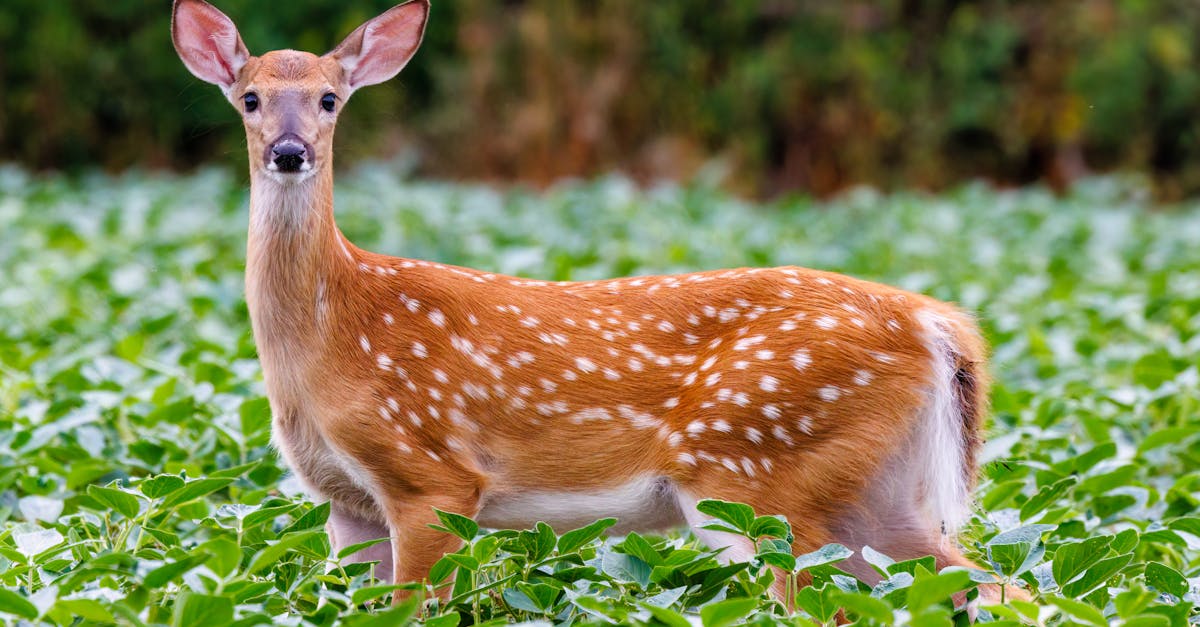
Target wildlife species. You list the native species you are managing for. These must be indigenous to your area. Common choices include white-tailed deer, northern bobwhite quail, Rio Grande turkey, migratory songbirds, and native pollinators. You can manage for multiple species, but each must be native to your ecoregion.
Management goals and objectives. This is the most important section. You describe what you want to accomplish with your wildlife management activities. Goals are broad statements ("improve habitat for white-tailed deer"). Objectives are specific and measurable ("establish 5 acres of native warm-season grass food plots by spring 2027").
Management practices. You select at least three of the seven recognized wildlife management practices and describe what you will do for each one. More on these below.
Additional information. The form also asks about fencing, water sources, existing vegetation, and nearby land uses. Fill these out thoroughly because they help the appraiser see the full picture of your property.
The Seven Wildlife Management Practices (Pick at Least Three)
Every approved wildlife management plan must include at least three of the following seven practices. These are defined by the Texas Comptroller and TPWD. You should choose the ones that best fit your land and the species you are managing for.
1. Habitat Control
This practice covers active management of vegetation to benefit wildlife. It includes prescribed burning, brush control, mechanical clearing, and selective herbicide use. The goal is to create a mix of plant communities at different successional stages.
If you choose habitat control, describe which areas you will treat, what methods you will use, and on what schedule. For example, "Prescribed burn 10 acres of the east pasture on a 3-year rotation to maintain early successional habitat for bobwhite quail."
2. Erosion Control
Erosion control practices protect soil and water quality while benefiting wildlife. This includes building terraces, installing water bars on roads, planting riparian buffers, and maintaining vegetative cover in sensitive areas.
Erosion control is often paired with other practices. If your land has gullies, streambank erosion, or exposed soil, this is a natural fit.
3. Predator Control
Predator control targets non-native or overabundant predators that harm target wildlife species. This can include trapping feral hogs, managing coyote populations, or controlling nest predators like raccoons and opossums.
INFO
Predator control must be directed at specific predators that affect your target species. Random or indiscriminate killing of predators does not qualify. Document your methods and keep records of what you trap.
4. Provide Supplemental Water
This practice involves developing or maintaining water sources for wildlife. It includes installing and maintaining wildlife watering troughs, guzzlers, and small ponds, or improving existing livestock tanks for wildlife access.
If you already have stock tanks on the property, maintaining them for wildlife use counts. If you install new water sources, include their locations and specifications in your plan.
5. Provide Supplemental Food
Supplemental feeding provides additional nutrition for target wildlife species. This can include food plots of native or adapted forbs and grasses, as well as protein feeders for deer, grain feeders for quail and turkey, or mineral stations.
Important: Food plots are the most defensible form of supplemental food because they are habitat-based. Feeders are acceptable but must be maintained and filled on a regular schedule. Describe exactly what you will plant or provide and on what schedule.
6. Provide Shelter
This practice covers the creation or protection of cover for wildlife. It includes building brush piles, installing nest boxes for songbirds or wood ducks, leaving snags (dead standing trees), and maintaining dense thickets for escape and thermal cover.
Nest boxes are popular because they are easy to install and monitor. A single project of putting up 10 bluebird boxes in your pasture can satisfy this practice, as long as you maintain them.
7. Census and Population Monitoring
This practice requires you to count or estimate wildlife populations on your property. Methods include trail camera surveys, spotlight counts, roadside counts for quail, or wild turkey gobbling counts.
NOTE
Census and monitoring is the one practice that provides hard numbers for your annual report. It also helps you adjust the other practices based on what the data shows. Most successful plans include this practice.
Ecoregion Guidelines: Why Your Location Matters
Texas has seven ecoregions for wildlife management valuation purposes, and each has its own Comprehensive Wildlife Management Planning Guidelines from TPWD.
Edwards Plateau and Cross Timbers and Prairies. Covers the Hill Country and central Texas. This region has the most landowners converting to wildlife use. Common target species include white-tailed deer, turkey, and songbirds.
Gulf Prairies and Marshes. Coastal counties from the Louisiana border down to the Rio Grande Valley. Waterfowl and coastal bird species are common targets.
High Plains and Rolling Plains. The Panhandle and South Plains. Lesser prairie-chicken, pronghorn, and quail are frequent target species.
Pineywoods. Deep East Texas. White-tailed deer, eastern wild turkey, and woodland songbirds are typical targets. Forest management practices like thinning and prescribed burning are common here.
Post Oak Savannah and Blackland Prairie. Central and north-central Texas. Bobwhite quail and grassland birds are key species. Grassland restoration and prescribed burning are typical practices.
South Texas Plains. The brush country south of San Antonio. White-tailed deer, javelina, and quail are common. Brush management and water development are important practices.
Trans-Pecos. Far West Texas. Mule deer, pronghorn, and desert bighorn sheep are target species. Water development is often critical here.
When you write your plan, download the specific guidelines for your ecoregion from the TPWD website. Your plan must be consistent with those guidelines, which means your chosen practices must match what the guidelines recommend for your area.
How to Write Goals and Objectives That Get Approved
The section of your plan where you state your goals and objectives is where most plans get rejected or sent back for revisions. Vague goals are not enough.
A weak goal: "I want to manage for deer." A strong goal: "Manage 50 acres of native habitat in the Post Oak Savannah ecoregion to improve white-tailed deer herd health and habitat quality through habitat control, supplemental food, and population monitoring."
A weak objective: "Plant some food plots." A strong objective: "Establish and maintain 3 acres of food plots planted with lablab and cowpeas, divided into three 1-acre strips, replanted annually in April."
The appraisal district wants to see that you know what you are doing and that your plan is realistic. Objectives should answer what, where, when, and how much.
Submitting Your Wildlife Management Plan
Once your plan is written, you submit it to your county appraisal district along with the 1-d-1 Open Space Appraisal Application. The deadline is April 30 of the tax year. Tax Code 23.54(d) phrases it as "before May 1," which means April 30 is the last valid day. File on May 1 and you are late.
You do not submit your plan to TPWD. TPWD has no role in approving or denying wildlife management valuations. That decision belongs entirely to your county appraisal district.
INFO
If your appraisal district requires an annual report, you must use the TPWD Annual Report form (PWD-888) to document the practices you completed during the year. Not all counties require annual reports, but many do. Keep detailed records of everything you do regardless.
The Intensification Rule: Understanding Your First Year
When you first convert from traditional agricultural use to wildlife management, you must show that your management activities are at least as intensive as the prior agricultural use. This is called the "intensification" standard.
For example, if you previously ran 20 head of cattle on 100 acres and did minimal brush work, your first year of wildlife management should show active practices that replace the grazing impact. Three or four of the seven practices performed at a reasonable intensity level typically satisfies this requirement.
After the first year, the standard becomes maintaining active wildlife management consistent with your plan. You do not need to prove intensification every year, but you must continue doing the practices you committed to.
Common Mistakes That Get Plans Rejected
Many wildlife management plans are denied for reasons that are easy to avoid.
Not actually having prior 1-d-1 ag valuation on the land. Some landowners apply for wildlife valuation on raw land thinking it is an alternative to establishing ag use. It is not.
Selecting fewer than three practices. Three is the minimum. Four or five is better and shows genuine management activity.
Choosing practices that do not match the ecoregion guidelines. Your plan must be consistent with TPWD guidelines for your area.
Writing vague, unmeasurable goals. "Improve wildlife habitat" without specifics is not enough. You need measurable objectives tied to practices.
Failing to submit by April 30. A late application still applies to the current tax year if it reaches the district before the appraisal review board approves the appraisal records, but Tax Code 23.541 charges a penalty of 10 percent of the difference between the tax at market value and the tax at productivity value. Miss that window too and you lose the year.
Not keeping records for the annual report. If your county requires an annual report and you cannot document what you did, you risk losing your valuation and facing rollback taxes.
Getting Help: TPWD Biologists and Private Consultants
You can write your own wildlife management plan. The law does not require you to hire anyone or to get TPWD approval. Many landowners write perfectly good plans themselves using the TPWD form and ecoregion guidelines.
If you want help, TPWD biologists are available to visit your property and offer advice at no charge. They cannot write the plan for you, but they can guide you on what practices make sense for your land and your target species.
Private wildlife consultants and some county appraisal districts also offer assistance. If you hire a consultant, make sure they are familiar with the wildlife management valuation rules for your specific county. Standards can vary between appraisal districts.
Where to Go Next
Writing a wildlife management plan is the first step to converting your property to wildlife management use and keeping your property tax savings. Once the plan is approved, you maintain your valuation by carrying out the practices you committed to and filing annual reports if required. Leasing hunting on managed land is allowed, but the lease must not interfere with your plan's practices: see our guide to hunting leases and the primary use test.
For a full comparison of wildlife management versus agricultural valuation, including the pros and cons of each, read our guide on wildlife vs ag exemption in Texas. If you are just getting started with property tax exemptions, our complete 2026 guide to agricultural valuation covers the basics of 1-d-1 open space appraisal.
You can also find wildlife consultants serving your area in our consultant directory. Listings there are self-submitted and are not vetted by Texas Land Tax, so check credentials and references yourself. Some consultants specialize in writing wildlife management plans and can handle the entire process for you.
Sources
This reflects Texas law as of August 2026, including HB 1743 (86th Legislature, effective September 1, 2019) and HB 3833 (87th Legislature, effective June 15, 2021), which together reduced the rollback to three years with no interest.
- Texas Tax Code Section 23.51 - subsection (7) defines wildlife management use and the seven qualifying practices framework
- Texas Tax Code Section 23.54 - application requirements; "before May 1" makes April 30 the last valid day
- Texas Tax Code Section 23.55 - additional tax on change of use
- Texas Comptroller, Agricultural and Timber Property Tax - wildlife management guidance and program overview
- Form 50-129 - the 1-d-1 open-space application used for wildlife management
Verified August 6, 2026. Minimum acreage for wildlife management and annual reporting requirements are set by each appraisal district and vary by ecoregion.