Kaufman County Ag Exemption: How to Get Agricultural Valuation in DFW
Learn how to get a Kaufman County ag exemption. Kaufman CAD minimum acreage, degree of intensity standards, beekeeping rules, and filing steps before April 30.

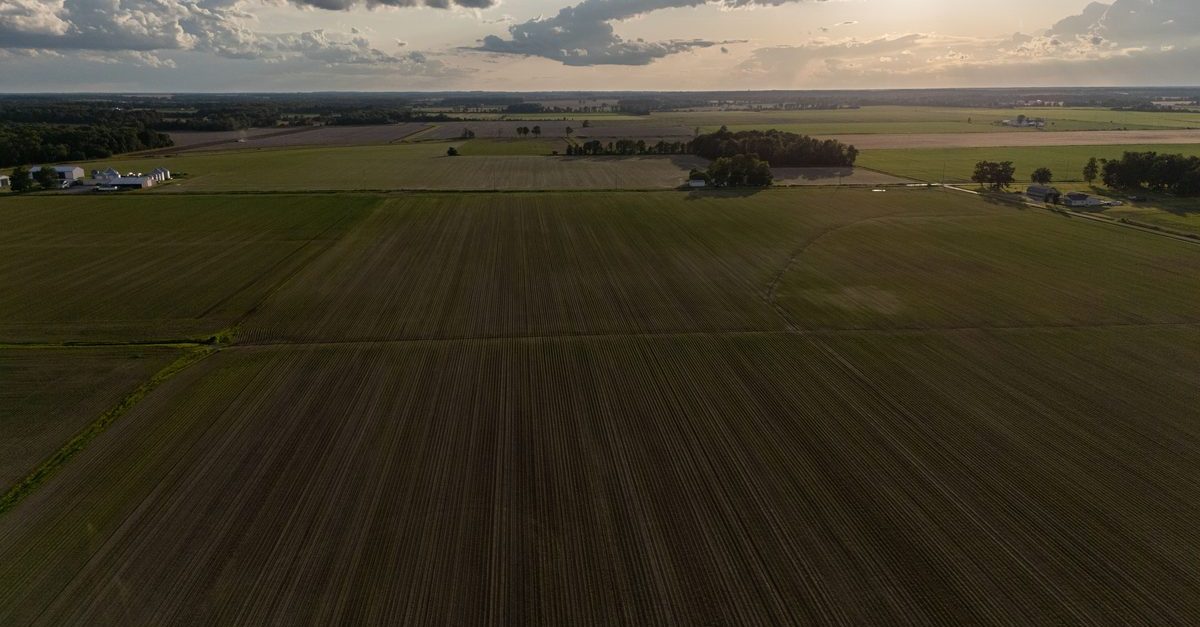
Kaufman County is the fastest-growing county in Texas, adding more than 50,000 residents between 2020 and 2024. That growth rate, over 30 percent in four years, puts immense pressure on the county's farmland and ranchland. As developers eye tracts near Forney, Terrell, and Kaufman itself, landowners face rising market values and the property taxes that come with them.
The Kaufman Central Appraisal District (Kaufman CAD) offers a path through 1-d-1 open space agricultural valuation. Landowners pay taxes based on what the land produces, not what a developer would pay. This guide covers exactly what Kaufman CAD requires and how to apply.
How the Kaufman County Ag Exemption Works
The ag exemption in Kaufman County is technically a special valuation method called 1-d-1 open space appraisal. It comes from Article 8, Section 1-d-1 of the Texas Constitution. Instead of taxing your land at its market value, Kaufman CAD values it based on agricultural productivity.
In Kaufman County, the difference between market value and productivity value is dramatic. The average market value per acre across the county is about $19,400. The average agricultural productivity value is about $90 per acre. That means land worth $194,000 for a 10-acre tract is taxed as though it is worth only $900, substantially reducing your annual tax bill.
The savings apply only to the land itself, not to any homes, barns, or other improvements on the property. Those structures are taxed at market value regardless of your ag status.
To qualify for 1-d-1 valuation in Kaufman County, your land must meet three conditions:
- The land must be devoted principally to agricultural use. Grazing livestock, growing hay or crops, and beekeeping all qualify.
- The agricultural use must be at the degree of intensity generally accepted in Kaufman County. Kaufman CADs agricultural advisory board sets these standards.
- You must submit a completed application to Kaufman CAD before the April 30 deadline.
Once approved, the special valuation stays on the property as long as the agricultural use continues. You do not need to reapply each year unless the ownership changes or the use of the land changes.
Minimum Acreage Requirements in Kaufman County
Kaufman County sets a minimum of 10 acres for standard agricultural valuation. This applies to grazing, hay production, and crop operations. If you own at least 10 acres and can demonstrate active agricultural use at the proper intensity level, you meet the basic size threshold.
Properties with more acreage generally have an easier path to qualification. A 20 to 50 acre tract with improved pasture, adequate fencing, and a water source can typically meet the intensity standards for livestock grazing. Smaller tracts, especially those near the 10 acre minimum, face closer scrutiny from Kaufman CAD. You will need stronger evidence of active, commercially oriented agricultural use.
Beekeeping follows different rules. Kaufman CAD allows beekeeping valuation on tracts as small as 5 acres with a minimum of 6 hives. After the first 5 acres, you need one additional hive per acre. The hives must be actively maintained with regular inspections, pest management, and honey harvesting.
Wildlife management is available on tracts of 10 acres or more, but you must have had the land in agricultural valuation immediately before switching to wildlife management. Kaufman CAD requires at least three wildlife management practices each year from the approved list.
Timber production is not recognized as a qualifying agricultural use in Kaufman County. The appraisal district has determined that timber is not a viable agricultural use of land in the county.
Qualifying Agricultural Uses with Kaufman CAD
Kaufman CAD recognizes four main categories of agricultural use for 1-d-1 valuation. Each has specific degree of intensity standards.
Livestock Grazing
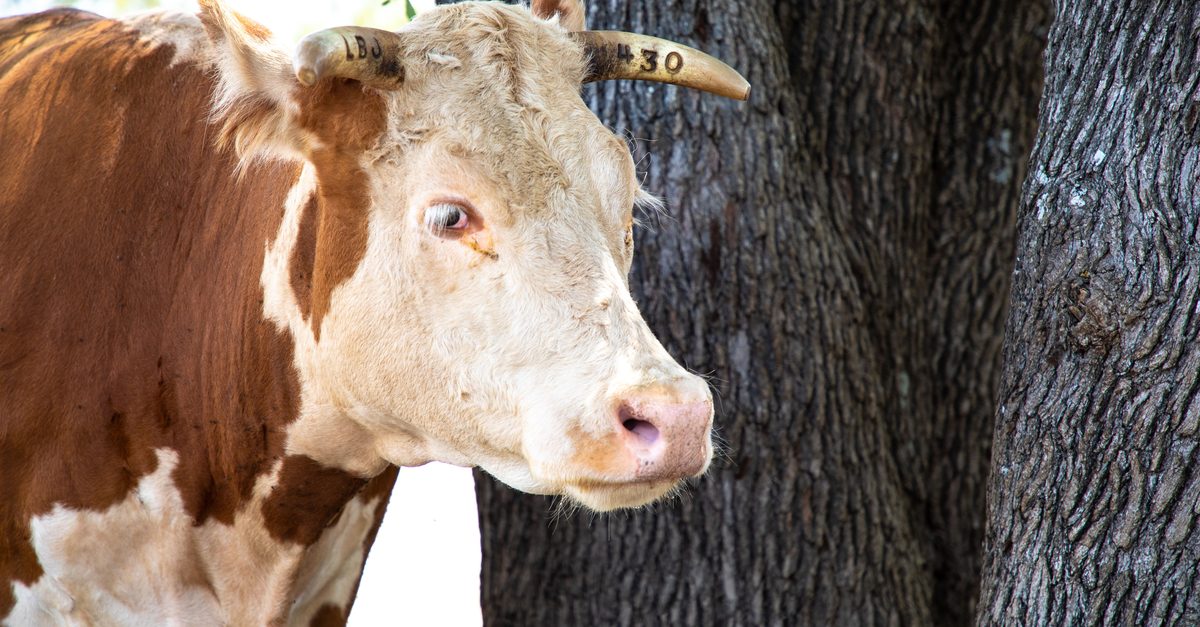
Cattle grazing is the most common agricultural use in Kaufman County. The county sits in the Blackland Prairie ecoregion, with rich dark soils that support improved pasture grasses like coastal bermuda. Grazing requires adequate fencing, a reliable water source, and a stocking rate that matches the land's carrying capacity. A general guideline is one animal unit per 10 to 15 acres. Goats and sheep also qualify, with different intensity standards from cattle.
Hay Production
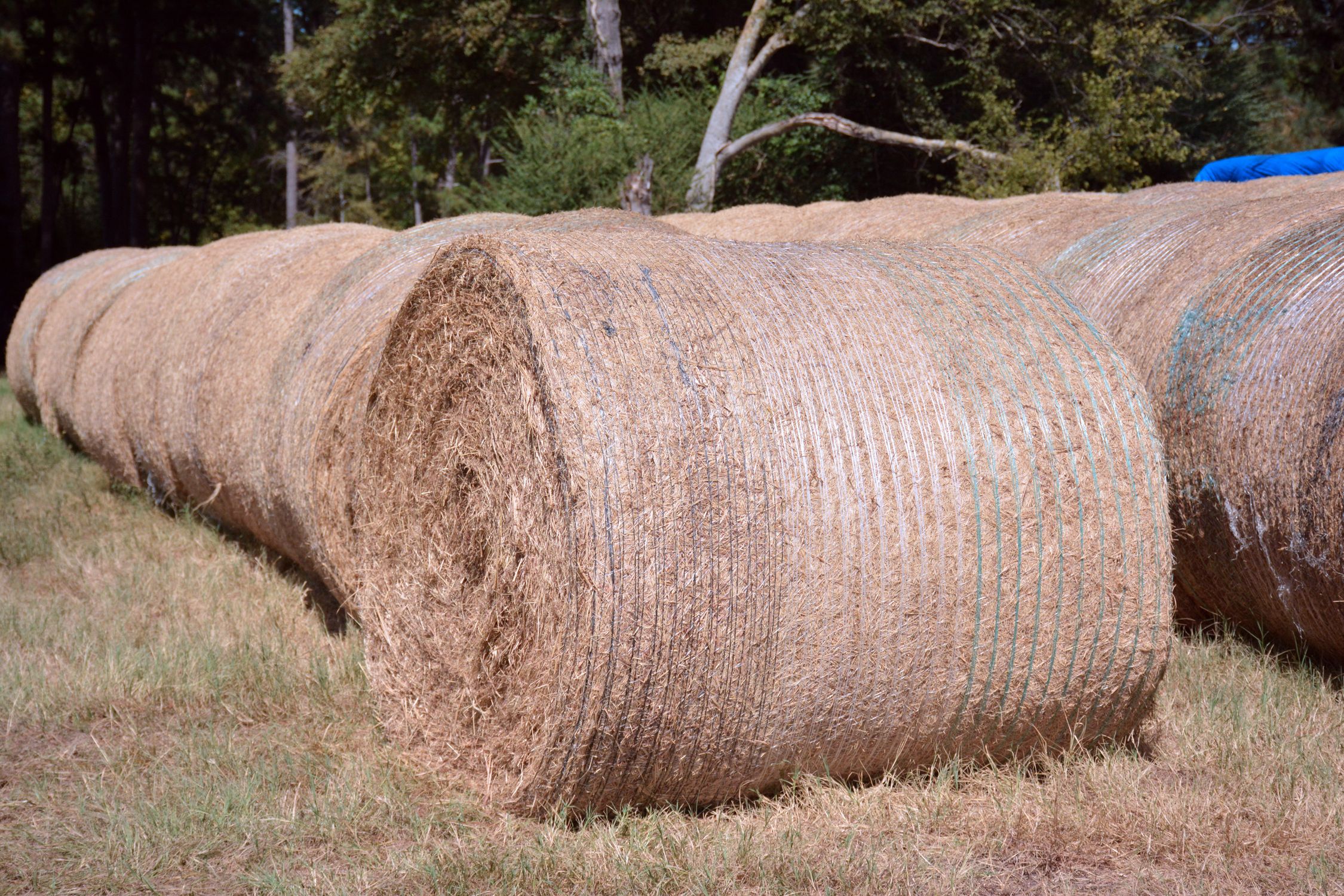
Hay production is a strong qualifying use on Kaufman County's fertile soils. Coastal bermuda hay is the most common crop. To meet the degree of intensity standard, you need to plant, fertilize, cut, bale, and remove hay on a regular schedule. Kaufman CAD expects to see two to three cuttings per year on actively managed hay meadows.
Hay production on small acreage, below 15 to 20 acres, may face additional scrutiny. The appraisal district wants to confirm that the operation is genuinely commercial and not a hobby activity.
Row Crops
Cotton, corn, and grain sorghum are grown in parts of Kaufman County. Row crop operations require standard farming practices: planting, cultivation, fertilization, pest control, and harvest. Kaufman CAD expects commercial-scale equipment or custom farming contracts as evidence of bona fide agricultural use.
Beekeeping
Beekeeping is a growing path to agricultural valuation in Kaufman County. The minimum requirements are 5 acres and 6 hives, with one additional hive per acre beyond the first 5. The hives must be registered with the Texas Apiary Inspection Service, and you should maintain records of hive inspections, honey harvests, and any disease treatments.
Beekeeping is a good option for landowners with smaller tracts who cannot run livestock or produce hay. However, Kaufman CAD will evaluate whether the operation is genuinely agricultural, not just a few hives placed to claim an exemption.
How to Apply for the Kaufman County Ag Exemption
The application process for 1-d-1 valuation in Kaufman County is straightforward but requires attention to detail.
First, obtain the application form. Kaufman CAD provides the Texas Comptroller's standard 1-d-1 application form on its website at kaufman-cad.org. You can also pick up a paper copy at the appraisal district office.
Second, complete the application with accurate information about your property, its size, and its agricultural use. You will need to describe the specific agricultural activities on the land, the number and type of livestock if applicable, and the management practices you follow.
Third, gather supporting documentation. This may include:
- Proof of livestock ownership (brand inspection certificates, purchase receipts)
- Hay production records (cuttings, bale counts, sales receipts)
- Equipment leases or custom farming contracts
- Aerial photos showing fencing, water sources, and pasture condition
- Beekeeping registration from the Texas Apiary Inspection Service
Fourth, submit the completed application to Kaufman CAD by April 30. A late application still applies to the current tax year as long as it reaches the district before the appraisal review board approves the appraisal records, usually in July. Under Tax Code 23.541 the cost is a penalty of 10 percent of the difference between the tax at market value and the tax at productivity value, not the loss of the year.
Mail or deliver the application to: Kaufman Central Appraisal District PO Box 819 Kaufman, TX 75142
You can also call the appraisal district at (972) 932-6081 with any questions about the application or your specific property.
Understanding Degree of Intensity Standards
The concept of degree of intensity is central to how Kaufman CAD evaluates ag exemption applications. Your agricultural activity must match what a typical farmer or rancher in Kaufman County would do on land of similar size and type. You cannot simply put a few animals on a property and claim agricultural valuation.
Kaufman CADs agricultural advisory board establishes these standards each year. The board includes local farmers and ranchers who understand the countys Blackland Prairie environment.
For grazing, intensity is measured by stocking rate. For hay, by cuttings per year and yield per acre. For crops, by planting density and harvest records. For beekeeping, by hive count and management practices. If Kaufman CAD determines your use does not meet the standard, your application will be denied. You can appeal through the formal protest process.
Conservation Easements in Kaufman County
Kaufman County is one of 35 Texas counties where conservation easements are actively pursued by landowners. The county belongs to the DFW Expansion region, where rapid suburban development pushes farmland values higher and creates strong incentives for permanent land conservation.
A conservation easement is a voluntary legal agreement that permanently restricts development on your land while keeping you as the owner. You can continue to run cattle, grow hay, or manage wildlife on the property. The easement qualifies you for a federal income tax deduction worth up to 50 percent of your adjusted gross income, carried forward for up to 15 years.
In Kaufman County, conservation easements are most attractive to landowners with 100 acres or more who want to keep their land in agriculture while extracting development value through the tax deduction. Combined with an ag exemption, a conservation easement can substantially lower your total tax burden.
Rollback Penalties: What Triggers Them
The main risk of agricultural valuation in Kaufman County is the rollback tax. If you change the use of your land to a non-agricultural purpose, Kaufman CAD imposes a penalty equal to the difference between the taxes you paid and the taxes you would have paid at market value, for the three years preceding the year of the change. The change-of-use year itself is not included, and no interest is added to the penalty. HB 1743 cut the lookback from five years to three effective September 1, 2019, and HB 3833 deleted the interest provision effective June 15, 2021.
Common triggers include selling to a developer, subdividing into residential lots, or allowing the land to sit idle for more than one year. The three-year window is statewide, not a Kaufman rule. No penalty applies if the land transfers to another farmer who continues agricultural use, or if you convert to wildlife management.
Why Kaufman County Landowners File Early
April 30 is the standard deadline for ag exemption applications in Kaufman County. Landowners who file early have several advantages.
First, early filing gives you time to correct any issues with your application before the deadline. If Kaufman CAD identifies missing documentation or questions about your degree of intensity, you have time to respond without rushing.
Second, early filing protects you against unexpected delays. The appraisal district processes hundreds of applications each spring, and late-submitted applications tend to receive the slowest review.
Third, filing early locks in your eligibility for the current tax year. If your application is approved, the special valuation applies to the current year's tax bill.
If you miss the April 30 deadline, you can still submit a late application and still get the valuation for the current year, as long as you file before the ARB approves the appraisal records. The cost is the 10 percent late penalty under Tax Code 23.541.
Frequently Asked Questions
Can I get an ag exemption on 5 acres in Kaufman County?
Standard agricultural valuation requires at least 10 acres in Kaufman County for grazing, hay, or crop operations. The only exception is beekeeping, which can qualify on 5 acres with at least 6 hives.
Does Kaufman County allow wildlife management valuation?
Yes, wildlife management is available on tracts of 10 acres or more. You must have had the land under agricultural valuation immediately before switching to wildlife. You must also implement at least three wildlife management practices each year.
How much can I save with a Kaufman County ag exemption?
The average agricultural productivity value in Kaufman County is about $90 per acre, compared to an average market value of $19,400 per acre. On a 10-acre tract, the taxable value drops from roughly $194,000 to $900, reducing your tax bill by thousands of dollars annually at the county's average 1.4 percent tax rate.
What if I bought land that already has an ag exemption?
If you purchase property that currently has 1-d-1 valuation, the exemption does not automatically transfer. You must file a new application with Kaufman CAD to continue the special valuation under your ownership. File as soon as possible after closing to avoid losing the benefit.
Does timber qualify for agricultural valuation in Kaufman County?
No. Kaufman CAD has determined that timber production is not a viable agricultural use in the county. Landowners interested in timber production should explore other options.
What happens if I stop farming my land?
If you stop agricultural activity and the land sits idle, Kaufman CAD can revoke the 1-d-1 valuation and, if it finds the use changed, impose rollback taxes for the three years preceding the year of the change, with no interest. You must maintain active agricultural use at the proper degree of intensity to keep the exemption.
Working with Kaufman CAD
The Kaufman Central Appraisal District is located at its office in Kaufman County. The mailing address is PO Box 819, Kaufman, TX 75142, and the phone number is (972) 932-6081. The appraisal district's website is kaufman-cad.org, where you can find application forms, agricultural guidelines, and contact information for the agricultural appraiser.
If your application is denied or you disagree with Kaufman CAD's valuation, you have the right to protest. The protest process begins with an informal meeting with the appraisal district, followed by a formal hearing before the Kaufman County Appraisal Review Board if the informal meeting does not resolve the issue.
Given the complexity of degree of intensity standards and the high stakes involved in a denial, many landowners work with an agricultural tax consultant or a property tax professional when preparing their initial application. A professional who understands Kaufman CAD's guidelines can help you document your agricultural use properly and avoid common mistakes that lead to denials or rollback exposure.
Sources
This reflects Texas law as of August 2026, including HB 1743 (86th Legislature, effective September 1, 2019), which cut the open-space rollback from five years to three, and HB 3833 (87th Legislature, effective June 15, 2021), which removed rollback interest entirely.
- Texas Tax Code Section 23.51 - qualified open-space land, degree of intensity, and the 5 to 20 acre beekeeping band
- Texas Tax Code Section 23.54 - application requirements; the statute says "before May 1," which makes April 30 the last valid day
- Texas Tax Code Section 23.55 - additional tax on change of use, three preceding years, no interest
- HB 1743 (86th Legislature) and HB 3833 (87th Legislature)
- Manual for the Appraisal of Agricultural Land - the Comptroller's appraisal methodology
- Form 50-129 - the 1-d-1 open-space application
Verified August 6, 2026. The statutory rules above are statewide. Minimum acreage, hive schedules, stocking rates, and productivity values are local standards set by Kaufman CAD and change year to year, so confirm current figures with the district before filing.