Denton County Ag Exemption: Complete 1-d-1 Guide for Landowners
Denton County 1-d-1 ag exemption guide: minimum acreage, DCAD intensity standards, livestock, beekeeping, and step-by-step application for property tax savings.
Denton County is one of the fastest-growing counties in the United States, but its northern and western areas remain actively farmed and ranched. If you own 10 or more acres in Denton County, you may qualify for an agricultural exemption through the Denton Central Appraisal District (DCAD). This guide covers the specific rules, acreage requirements, and degree of intensity standards you need to know.
How Does the Denton County Ag Exemption Work?
The Texas property tax system appraises land at market value unless it qualifies for special valuation under Tax Code Section 23.51, commonly called the 1-d-1 agricultural exemption. When DCAD approves your land for open-space valuation, your tax bill drops from market value to productivity value. For a typical 20-acre tract in Denton County, the difference can be 80 to 95 percent off the tax bill.
The productivity value is based on what the land can produce agriculturally, not what a developer would pay. A 20-acre tract near Aubrey or Krugerville might have a market value of $500,000 or more but a productivity value of only a few thousand dollars.
To qualify, you must meet three requirements. First, your land must be devoted to a qualifying agricultural use such as livestock, hay, or beekeeping. Second, the use must meet DCAD's degree of intensity standard. Third, your land must meet the minimum acreage threshold set by DCAD.
What Are the Minimum Acreage Requirements in Denton County?
DCAD generally requires a minimum of 10 acres for agricultural valuation. This is the standard used by most North Texas appraisal districts, including Collin and Tarrant counties. However, the acreage alone does not guarantee approval. DCAD evaluates the actual agricultural use on the land, not just the total acreage.
For livestock operations, the minimum of 10 acres is tied to the land's carrying capacity. DCAD's Agricultural Advisory Board has established guidelines for how many animal units the land can support based on soil type, grass quality, and typical rainfall in Denton County. A tract that is primarily rocky or wooded with little native grass may not have enough carrying capacity to support the minimum of two animal units, even if it is 10 acres or larger.
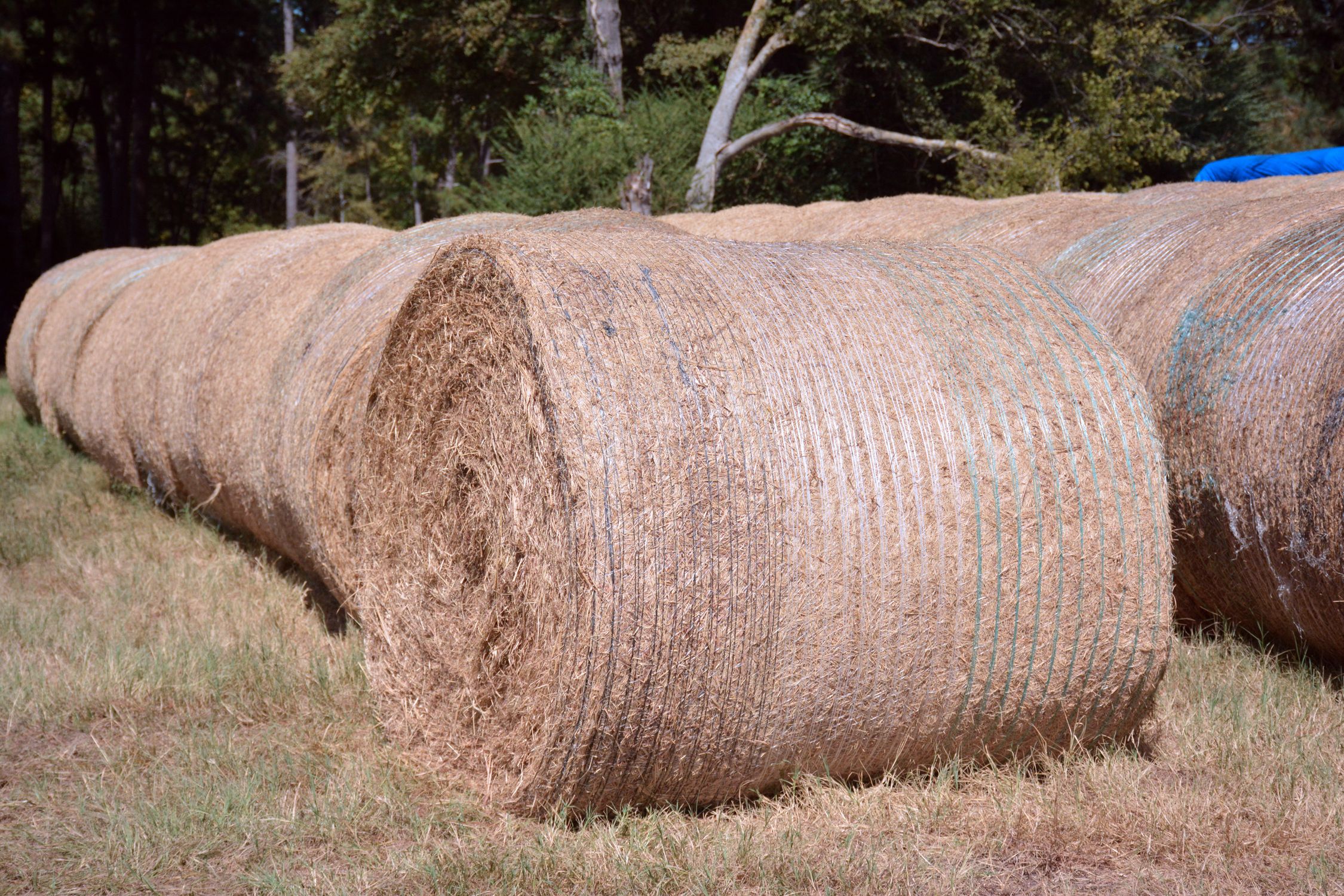
For hay production, DCAD typically expects at least 10 acres of land that is actively mowed, baled, and used for commercial livestock feed or sold. The land must show evidence of regular management, including weed control, fertilization, and proper cutting schedules throughout the growing season.
Beekeeping follows a different acreage standard in Denton County. DCAD recognizes beekeeping as a qualifying agricultural use on tracts of 5 to 20 acres, the band set by Tax Code 23.51(2). For tracts of 5 acres, the standard is 6 hives. For each additional 2.5 acres beyond the first 5, you add 1 additional hive, up to the maximum of 20 acres. Land above 20 acres cannot qualify through beekeeping at all, regardless of hive count.
If your tract is under 10 acres, do not assume you cannot qualify. Beekeeping is the primary path to agricultural valuation on smaller properties. However, you must meet the hive count requirements and show genuine commercial intent for apiary production.
Livestock Requirements for Denton County
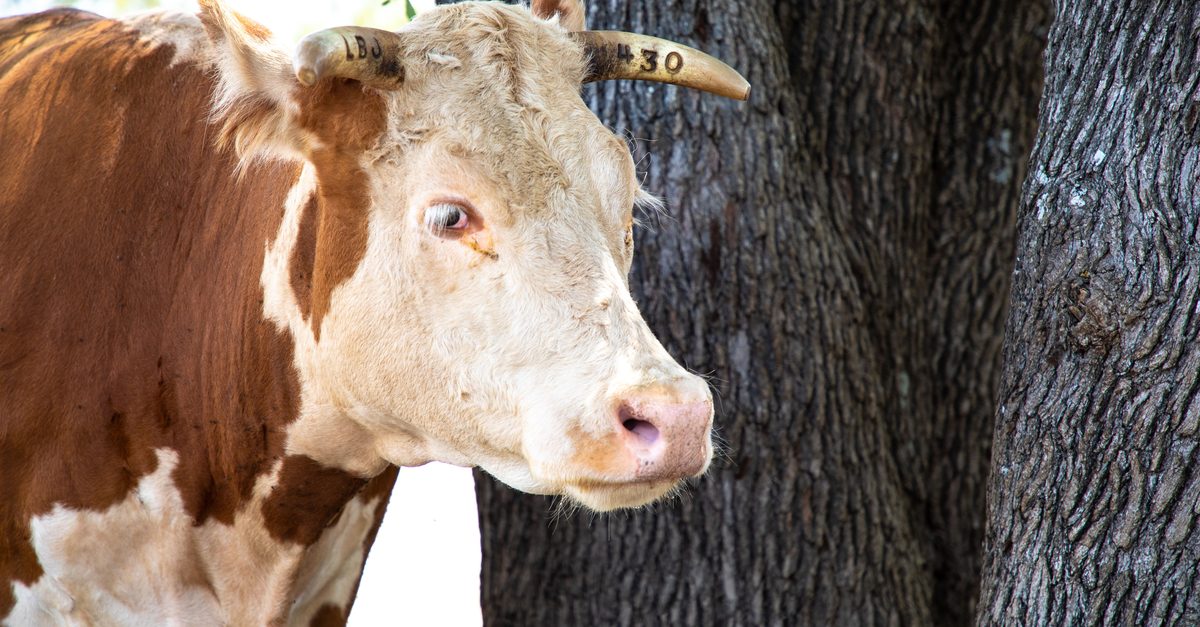
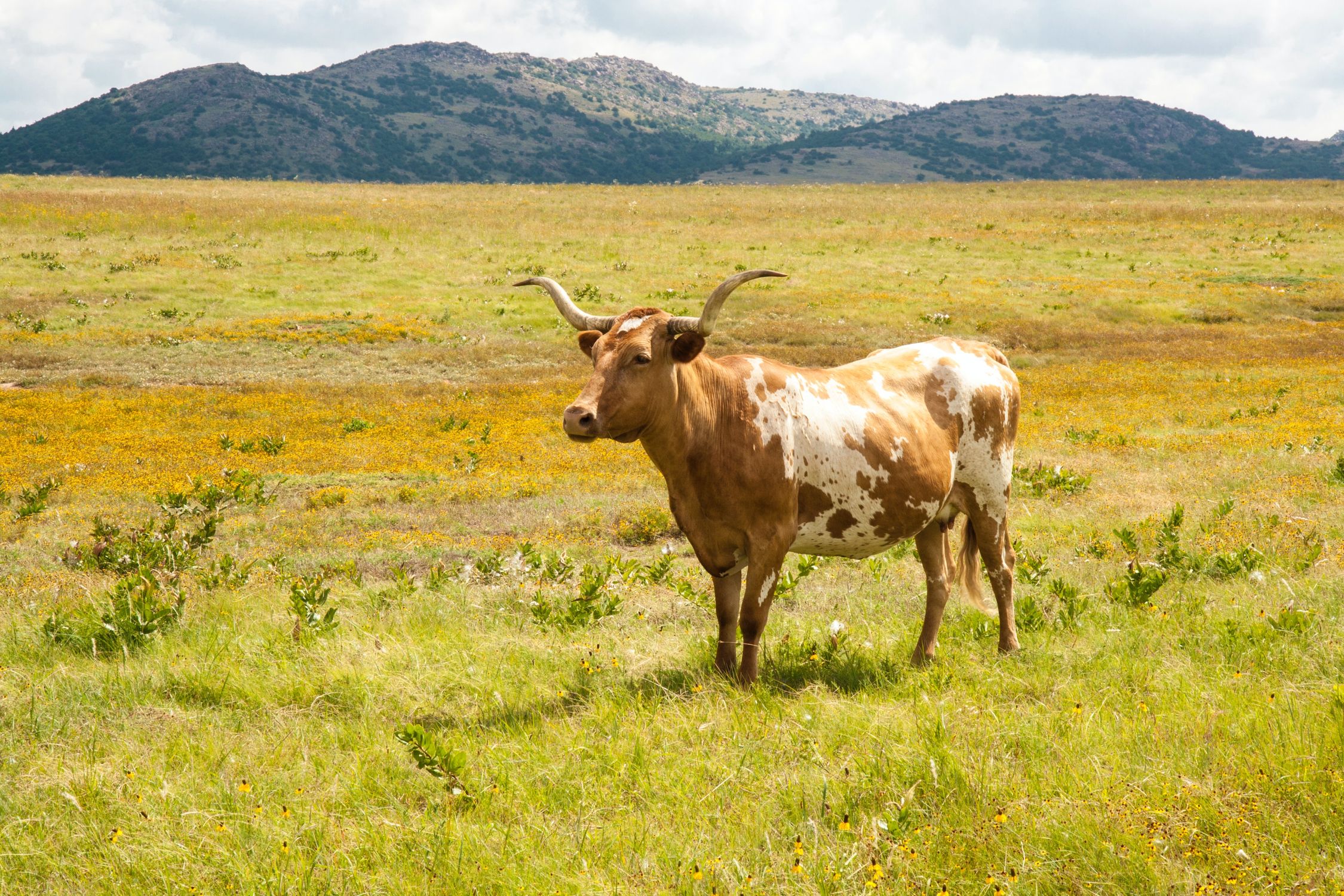
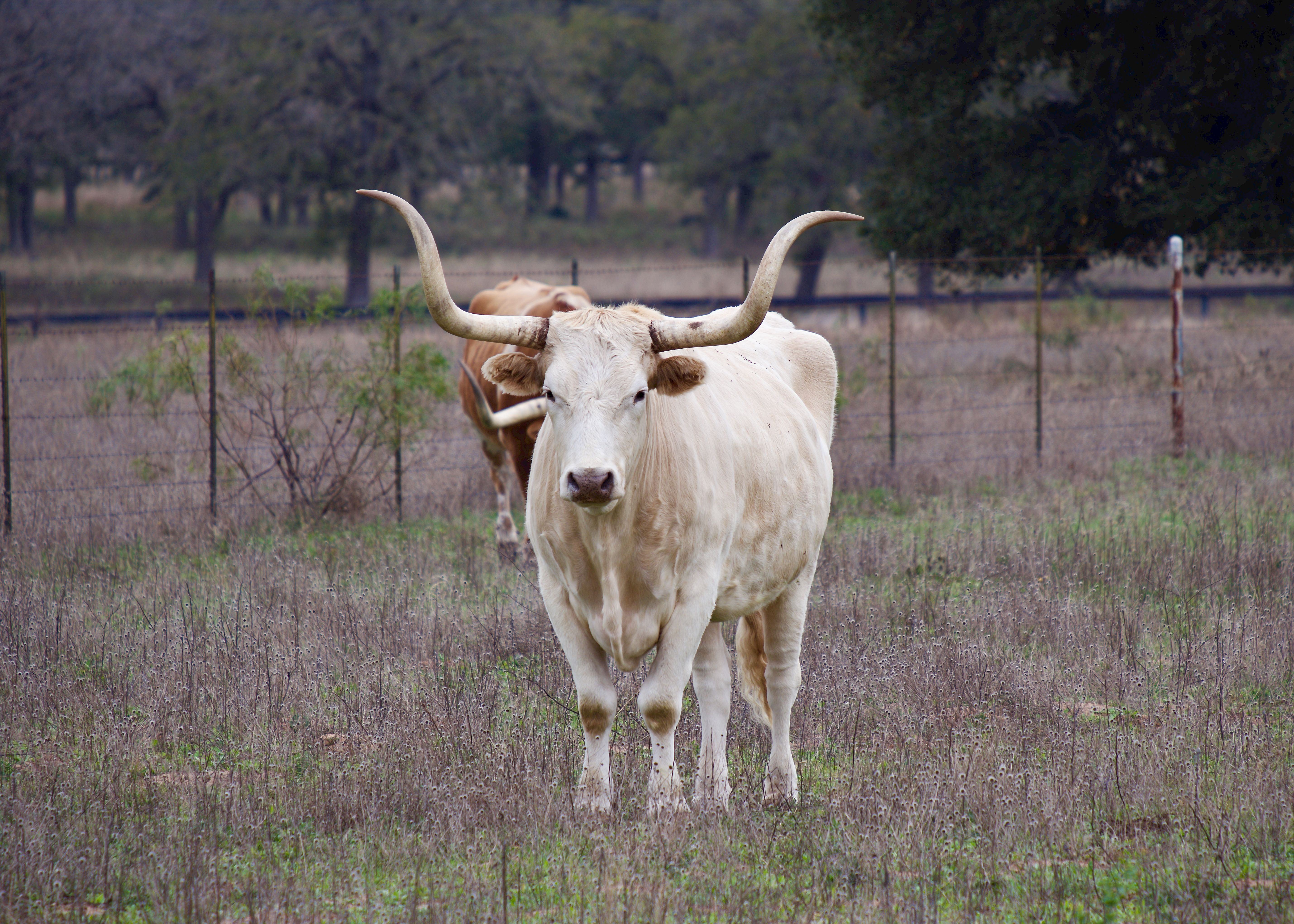
Livestock is the most traditional and widely recognized qualifying use for agricultural valuation in Denton County. DCAD looks for genuine ranching activity, not token animal presence.
The minimum of two animal units must be maintained year-round on the property. One animal unit equals one cow and her calf, one horse, five sheep, five goats, or a comparable combination. DCAD appraisers may conduct field inspections to verify that livestock are present, that adequate fencing is in place, and that water sources are available.
Horses qualify as agricultural livestock in Denton County, but only if used for agricultural purposes such as breeding, raising, or training. Personal pleasure horses on a small residential tract do not qualify for 1-d-1 valuation. However, a commercial horse boarding or breeding operation on adequate acreage can qualify if it meets the degree of intensity standard.
For landowners in northern Denton County, particularly around Sanger, Pilot Point, and Tioga, livestock operations are the most practical path to agricultural valuation.
DCAD's Agricultural Advisory Board reviews degree of intensity guidelines for livestock operations, including standards for stocking rates based on the land's carrying capacity, expectations for rotational grazing, and infrastructure requirements such as fences, working pens, and watering facilities. Meeting these standards is essential for approval.
Beekeeping as an Agricultural Use in Denton County
Beekeeping has become an increasingly popular route to agricultural valuation in Denton County, especially on smaller tracts where suburban development has fragmented traditional farm and ranch land.
DCAD requires a minimum of 6 hives on the first 5 acres. For each additional 2.5 acres beyond 5, you must add 1 additional hive, up to the statutory maximum of 20 acres. If your tract is larger than 20 acres, you need a second qualifying use for the acreage above the cap.
DCAD looks for evidence of active apiary management. Hives must be properly maintained and the land must provide adequate forage for the bees. Simply placing a few hives without ongoing management does not meet the degree of intensity standard. A genuine operation typically involves regular hive inspections, honey extraction, swarm management, and winter preparation.
The Texas Apiary Inspection Service (TAIS) registration is an important supporting document. DCAD may ask for your TAIS registration number as part of the application process. Keeping records of honey production and sales of honey or beeswax products strengthens your application.
For landowners near Denton, Flower Mound, or Highland Village, beekeeping may be the most viable path to agricultural valuation on smaller tracts.
The Degree of Intensity Standard
The degree of intensity requirement is the most common reason for DCAD to deny an agricultural valuation application. It asks whether the land is being used for agriculture in a manner consistent with what a prudent manager in Denton County would do.
DCAD's Agricultural Advisory Board defines this standard based on typical stocking rates, soil types, and the minimum scale that constitutes a genuine agricultural enterprise rather than a hobby or tax avoidance strategy.
If your operation falls below the advisory board's guidelines, DCAD will deny your application regardless of whether you have the right type of agricultural use. This is why understanding the specific standards for your type of operation before you file is critical. The advisory board meets periodically to update the guidelines based on current agricultural practices in Denton County.
How to Apply for 1-d-1 Valuation in Denton County
Start by obtaining Form 50-129, the Application for 1-d-1 Open-Space Agricultural Use Appraisal. You can download this from the DCAD website or pick up a paper copy at the DCAD office.
DCAD may request supporting documentation along with the form, including photographs of the property, receipts for livestock purchases or beekeeping equipment, evidence of income from agricultural products, and a management plan for the coming year.
The filing deadline is April 30 of the tax year for which you are seeking valuation. If you miss the deadline, you may still file up to the date the appraisal roll is certified, but you must provide a valid reason.
After you submit your application, DCAD may schedule a property inspection. An appraiser will visit the site to verify that the agricultural activity matches your application description, checking for livestock in pastures, fencing in good repair, hay bales, or active beehives.
If DCAD approves your application, the 1-d-1 valuation applies until the use changes or the property transfers. You do not need to reapply each year as long as the agricultural use continues. However, DCAD conducts periodic reviews and may inspect properties that appear to have changed use.
What About Wildlife Management in Denton County?
Wildlife management is available for landowners who already have 1-d-1 valuation and want to transition to native habitat management. You must first qualify for agricultural valuation under livestock or hay production before converting to wildlife management. You cannot start with wildlife management as your initial use.
Once established, you can submit a wildlife management plan to DCAD describing at least three qualifying activities: habitat control, erosion control, predator control, providing supplemental water or food, providing shelter, or conducting census counts. For larger tracts in northern Denton County, this is a practical option for landowners who want to maintain tax benefits without active farming.
Rollback Penalties: What Happens When the Use Changes
The primary risk of agricultural valuation is the rollback tax. If the use changes from agricultural to any non-agricultural purpose, DCAD imposes a penalty equal to the difference between taxes paid and what would have been owed at market value, for the three years preceding the year of the change. The change-of-use year itself is excluded, and no interest is added to the penalty. HB 1743 cut the lookback from five years to three effective September 1, 2019, and HB 3833 deleted the interest provision effective June 15, 2021.
In Denton County, where land values have appreciated rapidly, three years of recaptured tax is still substantial. A 10-acre tract near Aubrey or Providence Village could face a rollback bill in the tens of thousands of dollars.
The rollback is triggered by changing the use. Selling the property does not trigger a rollback if the new owner continues the agricultural use. But if a developer converts the land to residential subdivisions or commercial development, the rollback applies to the year the use changes. Buyers and sellers often negotiate how the rollback liability is split in the purchase agreement.
Denton County's Unique Agricultural Landscape
Denton County presents a unique situation for agricultural landowners because of rapid urbanization. The county's population has grown from roughly 940,000 in 2020 to well over a million today, making cities like Denton and Aubrey among the fastest-growing in North Texas.
This growth makes the tax savings from agricultural valuation especially valuable, but suburban encroachment can make it harder to maintain genuine agricultural operations.
DCAD's Agricultural Advisory Board takes these pressures into account when setting degree of intensity standards. The guidelines are designed for the kind of agriculture that can function where suburban and rural uses coexist, shifting toward livestock, hay, and beekeeping as traditional row-crop farming has become less practical.
In the southern part of the county, qualifying requires careful attention to the intensity standards due to smaller tracts and closer neighbors. In the north, around Pilot Point and Sanger, larger tracts make it easier to maintain 1-d-1 valuation. Regardless of location, having a clear management plan and documentation of your agricultural activities is the foundation of a successful application.
Additional Resources
For official information and forms, visit the Denton Central Appraisal District website at dentoncad.com. The Texas Comptroller publishes the official Manual for the Appraisal of Agricultural Land, available on their website.
To find a consultant who works in Denton County, visit our consultant directory to connect with property tax professionals serving North Texas.
If your land exceeds 100 acres and you are interested in conservation options, consider learning about conservation easements and how they work alongside traditional agricultural valuation.
Sources
This reflects Texas law as of August 2026, including HB 1743 (86th Legislature, effective September 1, 2019), which cut the open-space rollback from five years to three, and HB 3833 (87th Legislature, effective June 15, 2021), which removed rollback interest entirely.
- Texas Tax Code Section 23.51 - qualified open-space land, degree of intensity, and the 5 to 20 acre beekeeping band
- Texas Tax Code Section 23.54 - application requirements; the statute says "before May 1," which makes April 30 the last valid day
- Texas Tax Code Section 23.55 - additional tax on change of use, three preceding years, no interest
- HB 1743 (86th Legislature) and HB 3833 (87th Legislature)
- Manual for the Appraisal of Agricultural Land - the Comptroller's appraisal methodology
- Form 50-129 - the 1-d-1 open-space application
Verified August 6, 2026. The statutory rules above are statewide. Minimum acreage, hive schedules, stocking rates, and productivity values are local standards set by the Denton Central Appraisal District and change year to year, so confirm current figures with the district before filing.