Williamson County Ag Exemption: Getting 1-d-1 on I-35 Corridor
Learn how to get an agricultural exemption in Williamson County, Texas. Covers WCAD intensity standards, minimum acreage, and the 1-d-1 application process.
Getting an agricultural exemption in Williamson County is different from rural West Texas or even neighboring Travis County. The Williamson Central Appraisal District (WCAD) evaluates 1-d-1 open space valuation applications against standards shaped by a county that sits directly in the I-35 growth corridor between Austin and the Dallas-Fort Worth metroplex. Development pressure has pushed land values higher, making agricultural valuation more valuable than ever for landowners who can qualify.
If you own land in or around Georgetown, Round Rock, Cedar Park, Taylor, Hutto, or the unincorporated parts of Williamson County, agricultural valuation can reduce your property tax burden by 70 to 90 percent on qualifying land. This guide covers exactly what WCAD requires, how the degree of intensity standards work, what qualifies as agricultural use, and how to apply for 1-d-1 valuation.
How Does the Williamson County Ag Exemption Work?
The agricultural exemption in Texas is not a true exemption. It is a special method of property appraisal authorized by Article 8, Section 1-d-1 of the Texas Constitution. Under this provision, qualified open-space land is valued based on its agricultural productivity rather than its market value. For Williamson County landowners, this distinction matters enormously.
Land values in Williamson County have risen sharply over the past decade as the Austin metro area expands north. A 10-acre tract near Georgetown or Hutto that could sell for $400,000 to $600,000 on the open market could have a productivity value of just a few thousand dollars for tax purposes. The difference, typically a 70 to 90 percent reduction in taxable land value, translates directly into lower annual property tax bills.
The savings apply only to the land itself. Homes, barns, sheds, and other improvements on the property are still appraised at market value regardless of agricultural use status.
To qualify for 1-d-1 valuation in Williamson County, your land must satisfy three criteria:
-
The land must be devoted principally to a qualifying agricultural use. Livestock grazing, hay production, crop cultivation, beekeeping, and wildlife management all qualify. The agricultural activity must be the primary purpose of the land, not a secondary or occasional use.
-
The agricultural use must meet the degree of intensity generally accepted in Williamson County. WCAD establishes these standards with input from the Agricultural Advisory Board. The board evaluates what a prudent manager in the area would typically do with land of similar size and type. These standards are published in the WCAD Agricultural Manual and are updated periodically.
-
You must file a completed 1-D-1 application with WCAD by April 30. Agricultural valuation is not automatic. You submit Form 50-129 (Application for 1-d-1 Open-Space Agricultural Use Appraisal) once, not every year. Under Tax Code 23.54(e) the valuation carries forward without reapplication unless ownership changes, the use changes, or the chief appraiser specifically requests a new application. The online application is available from January 4 through April 30.
What Are the Minimum Acreage Requirements in Williamson County?
Williamson County requires a minimum of 10 acres to qualify for agricultural valuation. This minimum applies across most agricultural use types, though exceptions exist for beekeeping on smaller parcels. WCAD evaluates each application based on the specific agricultural use and the characteristics of the individual tract.
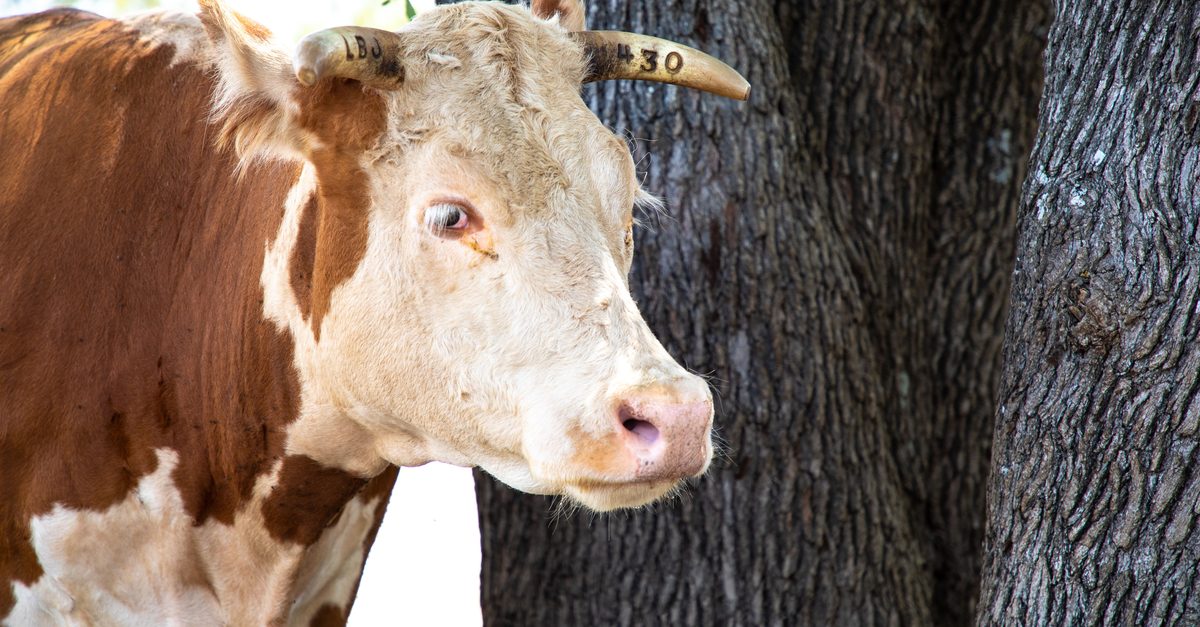
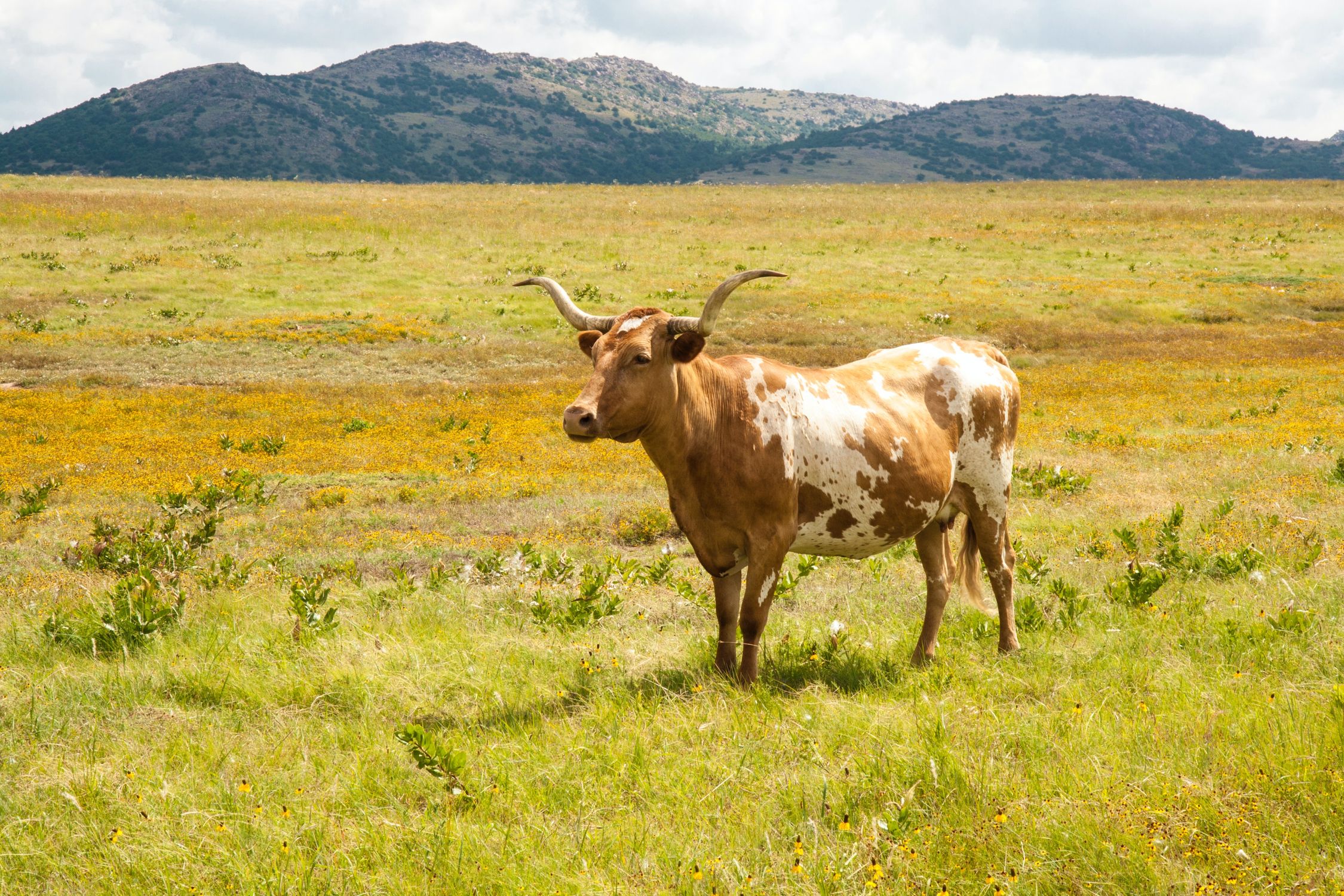
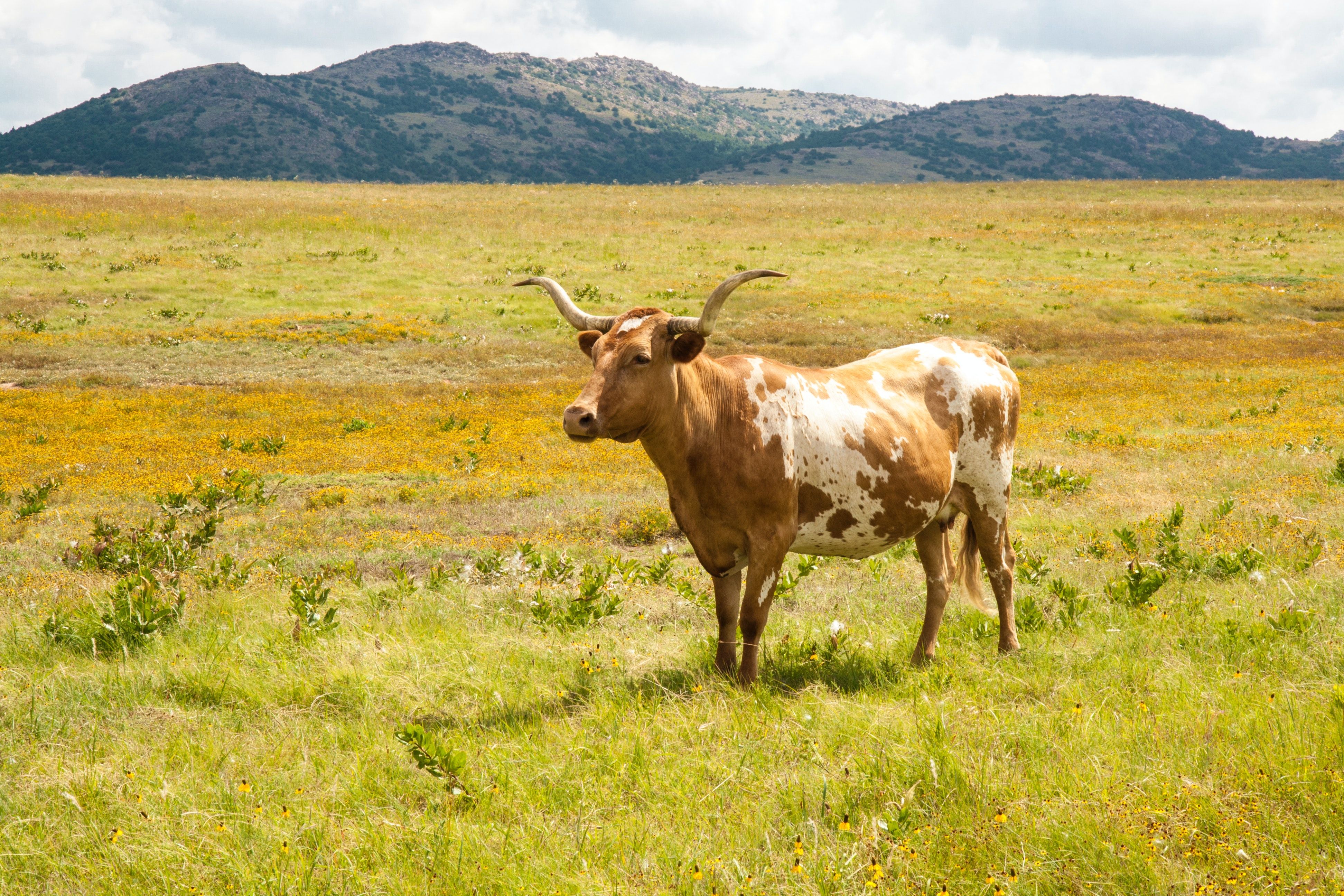
For livestock grazing, the most common agricultural use in Williamson County, the appraisal district expects a viable operation that meets the degree of intensity standard. The key metric is not acreage alone but animal unit carrying capacity. WCAD requires a minimum of 2 animal units on the property. One animal unit equals one mature cow and calf, one horse, five sheep, or six goats.
Williamson County sits in the Blackland Prairie ecoregion. The dark, rich soils support both improved pasture (coastal bermuda grass, kleingrass) and native grasses. Improved pasture typically supports 1 animal unit per 5 to 8 acres. Native pasture supports 1 animal unit per 8 to 12 acres. A 10-acre tract with improved pasture could support 1.5 to 2 animal units, meeting the minimum. A native pasture tract of the same size would need 16 to 20 acres to support 2 animal units comfortably.
For beekeeping, WCAD follows standards similar to other Central Texas appraisal districts. Properties between 5 and 20 acres can qualify with a minimum of 6 beehive colonies on the first 5 acres, plus 1 additional colony per 2.5 acres above that. Twenty acres is the ceiling: Tax Code 23.51(2) limits beekeeping-qualified land to not less than 5 and not more than 20 acres, so a larger tract needs another qualifying use for the acreage above the cap. Beekeeping operations must show active management, including regular hive inspections, disease control, and honey harvesting or pollination services.
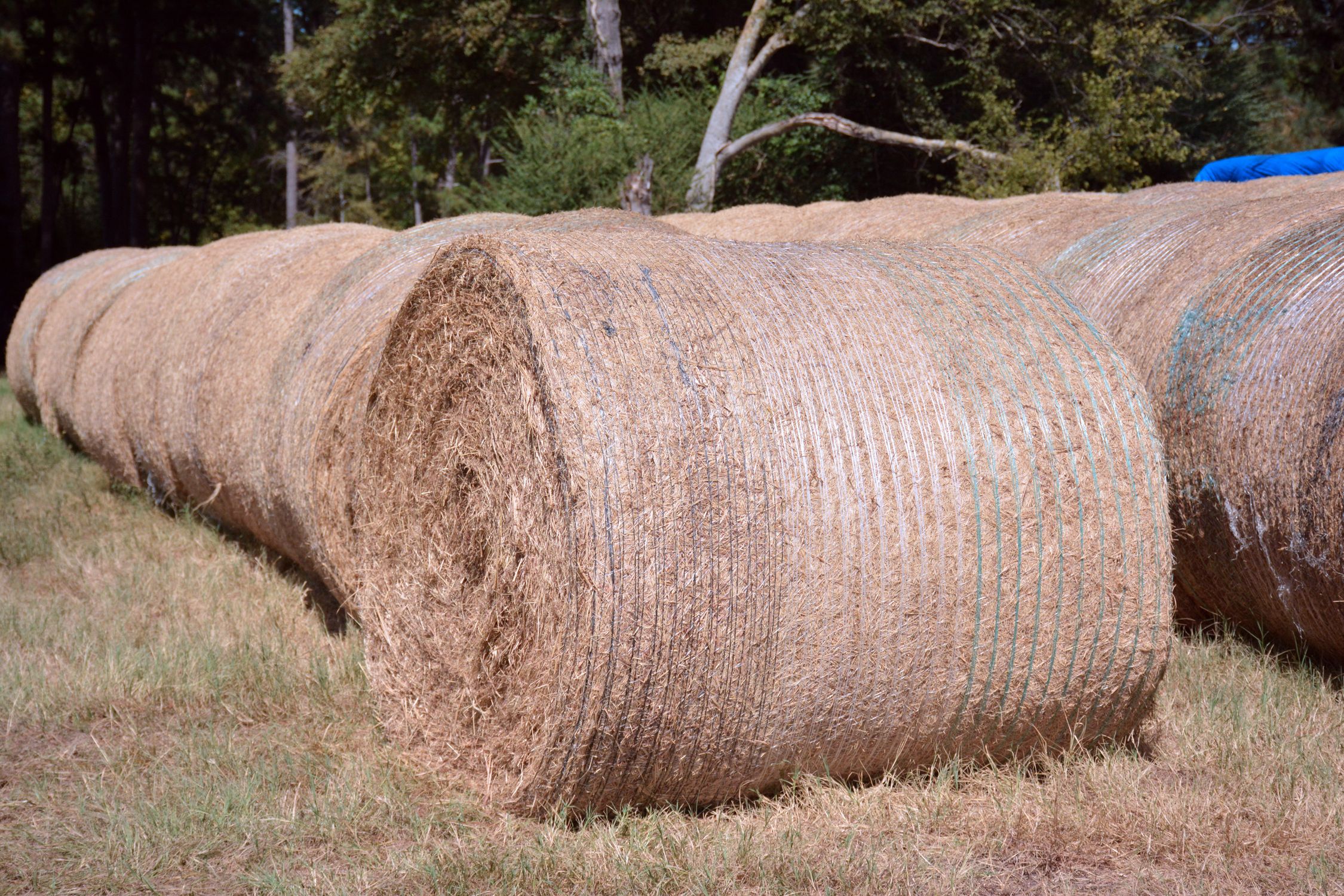
For hay production, WCAD typically expects at least 10 acres of land that is actively mowed, baled, and removed for commercial use or livestock feed. Coastal bermuda is the most common hay crop in Williamson County. The land must show evidence of regular management including fertilization, weed control, and proper cutting schedules. A single cutting per year is generally not sufficient. WCAD looks for multiple cuttings and evidence that the hay is being used or sold.
Small acreage tracts that include a homesite and are not part of a larger farming operation are primarily residential in nature. WCAD generally treats homesites as a separate land segment on the appraisal roll based on the homesite cap provisions of the Texas Property Tax Code. Only the portion of land actually devoted to agricultural use receives the productivity valuation.
Livestock Requirements for Williamson County
WCAD evaluates livestock operations based on the animal unit method, which standardizes different types of livestock into comparable grazing units. The degree of intensity standard for Williamson County requires that the land be stocked at a level consistent with what a prudent manager in the Blackland Prairie region would maintain.
WCAD considers the following livestock types for animal unit calculation:
- 1 mature cow with calf: 1.0 animal units
- 1 horse: 1.0 animal units
- 5 sheep: 1.0 animal units
- 6 goats: 1.0 animal units
- 1 bull: 1.25 animal units
- 1 weaned calf (yearling): 0.75 animal units
For exotic livestock (fallow deer, axis deer, aoudad, blackbuck antelope, etc.), WCAD evaluates each species individually based on its published animal unit equivalent. Exotic ranching operations should maintain documentation of animal counts, facility maintenance, and breeding activity.
Sheep and goat operations are less common in Williamson County than in the Hill Country counties to the west, but they are viable on smaller acreage. A 10-acre property could theoretically carry 10 to 12 goats or sheep, which exceeds the minimum 2 animal unit threshold. Fencing and predator control must be actively maintained to demonstrate prudent management.
Beekeeping as a Qualifying Agricultural Use in Williamson County
Beekeeping has become an increasingly popular path to agricultural valuation in Williamson County, especially on smaller tracts where livestock grazing is not practical. WCAD recognizes beekeeping as a qualifying agricultural use with specific standards.
The minimum requirement is 6 hives on 5 acres. For properties between 5 and 20 acres, the intensity standard is 6 colonies for the first 5 acres, with 1 additional colony per 2.5 acres above that baseline. A 10-acre property would need approximately 8 hives.
WCAD requires that hives be actively managed with regular inspection, disease and pest management (particularly varroa mite control), honey harvesting, and winter feeding as needed. Documentation is critical: TAIS registration, equipment receipts, honey sales records, and a written management plan all support an application.
Crop and Hay Production Standards
Williamson County's Blackland Prairie soils are among the most productive agricultural soils in Texas. Row crop agriculture remains active in the eastern part of the county around Taylor and Granger, where cotton, corn, grain sorghum, and wheat are grown. Hay production, particularly coastal bermuda, is common across the county.
For row crop operations, WCAD expects evidence of active cultivation including planting records, crop insurance documentation, and proof of input expenses. The land must be in regular rotation consistent with Blackland Prairie standards. Fallow ground that is part of a normal crop rotation can qualify, but land left idle without a rotation plan does not meet the standard.
For hay production, the degree of intensity standard requires at least two cuttings per year on improved bermuda grass pastures. Coastal bermuda requires fertilization, weed control, and proper moisture management. WCAD may request evidence of fertilizer application, soil testing, and hay sale or usage records.
WCAD calculates productivity values for each agricultural land classification based on income and expense data collected from Williamson County agricultural operations. These values are updated annually and used to determine the taxable productivity value for each acre. For 2026, the productivity values for Williamson County land classifications include native pasture, improved pasture, dry cropland, irrigated cropland, and waste land. Each classification carries a different per-acre value that reflects its income-producing potential.
Wildlife Management as an Alternative to Traditional Agriculture
Wildlife management use is available in Williamson County as an alternative method of qualifying for open-space valuation. Under Texas Tax Code Section 23.51, land previously qualified for agricultural valuation can be converted to wildlife management use without losing special appraisal status.
WCAD requires a written wildlife management plan following Texas Parks and Wildlife Department guidelines, covering at least three of the seven approved management activities: habitat control, erosion control, predator control, supplemental water, supplemental food, providing shelters, and census counts. Prescribed burning and brush management are methods of habitat control, not separate qualifying practices, so a plan built entirely around them still only counts as one of the three.
Converting from agricultural use to wildlife management requires filing Form 50-129 with wildlife management indicated. Landowners must then submit annual activity reports to demonstrate ongoing compliance. This route is particularly relevant for Williamson County landowners with 20 acres or more who want to reduce daily management intensity while maintaining tax benefits.
How to Apply for the Williamson County Ag Exemption
The application process for 1-d-1 agricultural valuation in Williamson County follows a straightforward timeline with specific deadlines and documentation requirements.
Step 1 is to determine whether your property qualifies. Review the minimum acreage requirements, confirm that your land has been in agricultural use for at least 5 of the preceding 7 years, and verify that your intended agricultural use meets WCAD degree of intensity standards. If the land was previously qualified for agricultural valuation under a prior owner, you can inherit the five-year history as long as agricultural use has continued without interruption.
Step 2 is to complete Form 50-129, the Application for 1-d-1 Open-Space Agricultural Use Appraisal. WCAD makes the online application available from January 4 through April 30 each year. A printable PDF version is also available on the WCAD website for landowners who prefer to file by mail or in person. The form asks for basic property information, the type of agricultural use, the number of animal units or acreage in production, and the prior owner's name if the property was recently purchased.
Step 3 is to submit the application to WCAD by April 30. A late application still applies to the current tax year as long as it is filed before the appraisal review board approves the appraisal records, which usually happens in July. Under Tax Code 23.541 the penalty is 10 percent of the difference between the tax at market value and the tax at productivity value. Filing late costs you that 10 percent, not the whole year of savings.
Step 4 is to cooperate with WCAD's field review process. The Agricultural Appraisal Department may schedule a site visit to verify the agricultural use and confirm that the operation meets degree of intensity standards. Field inspectors evaluate fence condition, livestock health, forage status, and overall management quality. A property that appears abandoned or minimally managed will not pass field review.
Step 5 is to maintain records. WCAD may request documentation of your agricultural operation at any time. Keep receipts for livestock purchases, feed, fencing materials, seed, fertilizer, veterinary services, and any other inputs. Maintain a log of management activities including grazing rotations, hay cuttings, and equipment use.
What Happens When the Land Changes Use
Williamson County landowners who convert agricultural land to non-agricultural use face rollback taxes. When the use of the land changes, the difference between taxes paid at productivity value and taxes that would have been paid at full market value is recaptured for the three years preceding the year of the change. The change-of-use year itself is not included, and no interest is added to the penalty.
Rollback taxes are triggered by subdivision, development, or a change in the primary use of the land. Selling agricultural land to another landowner who continues agricultural use does not trigger rollback. But converting the land to residential, commercial, or industrial use does.
Two bills produced the current rule. HB 1743, effective September 1, 2019, reduced the lookback from five years to three and cut the interest rate from 7 percent to 5 percent. HB 3833, effective June 15, 2021, deleted the interest provision from Tax Code 23.55(a) altogether. That is real relief for Williamson County landowners facing development pressure. Even so, the three-year rollback bill can be substantial on land that has appreciated significantly.
For landowners in the path of development along the I-35 corridor, particularly around Georgetown, Hutto, and Taylor, understanding the rollback tax implications is essential before selling or subdividing property. Consulting with a property tax professional or an attorney who handles agricultural valuation matters can help you calculate the potential rollback exposure before making land use decisions.
The Williamson Central Appraisal District office at 625 FM 1460 in Georgetown handles agricultural valuation applications and field reviews. The Agricultural Appraisal Department can be reached at (512) 930-3787. The WCAD website at wcad.org provides application forms, the agricultural manual, the animal unit estimator, and links to the Texas Comptroller's agricultural land appraisal guidelines.
Sources
This reflects Texas law as of August 2026, including HB 1743 (86th Legislature, effective September 1, 2019), which cut the open-space rollback from five years to three, and HB 3833 (87th Legislature, effective June 15, 2021), which removed rollback interest entirely.
- Texas Tax Code Section 23.51 - qualified open-space land, degree of intensity, and the 5 to 20 acre beekeeping band
- Texas Tax Code Section 23.54 - application requirements; the statute says "before May 1," which makes April 30 the last valid day
- Texas Tax Code Section 23.55 - additional tax on change of use, three preceding years, no interest
- HB 1743 (86th Legislature) and HB 3833 (87th Legislature)
- Manual for the Appraisal of Agricultural Land - the Comptroller's appraisal methodology
- Form 50-129 - the 1-d-1 open-space application
Verified August 6, 2026. The statutory rules above are statewide. Minimum acreage, hive schedules, stocking rates, and productivity values are local standards set by Williamson CAD and change year to year, so confirm current figures with the district before filing.