Bastrop County Ag Exemption: Lost Pines 1-d-1 Agricultural Valuation
Learn to get an ag exemption in Bastrop County. Covers Bastrop CAD livestock and beekeeping standards, minimum acreage, and the 1-d-1 application process.
Getting an agricultural exemption in Bastrop County means working with the Bastrop Central Appraisal District (Bastrop CAD), a district at the ecological crossroads of Central Texas. This is the Lost Pines region, an isolated stand of loblolly pine separated from the East Texas Piney Woods by the Blackland Prairie, creating a landscape that shifts from deep-soil farmland in the east to sandy post oak savanna through the middle and limestone-influenced soils along the Colorado River corridor.
This geography matters for your 1-d-1 application. A 10-acre tract near Elgin in the Blackland Prairie has different agricultural capacity from a property near Smithville in the sandy timber soils. Bastrop CAD evaluates every application against degree of intensity standards that account for these internal differences, and the appraisal district maintains published Agricultural and Wildlife Guidelines to help landowners understand what qualifies.
If you own 10 or more acres in Bastrop County, agricultural valuation under Section 1-d-1 of the Texas Constitution can reduce your property tax burden by 70 to 90 percent on qualifying land. With the Austin metropolitan area pushing eastward down Highway 71, land values have risen dramatically while agricultural use values have barely budged. That gap between market value and productivity value means the tax savings from a properly filed ag exemption have never been larger.
This guide covers what Bastrop CAD requires, how degree of intensity standards work for different agricultural uses, the role of horses as a qualifying enterprise that sets Bastrop County apart from many neighboring counties, and how to file your 1-d-1 application before the April 30 deadline.
How Does the Bastrop County Ag Exemption Work?
The agricultural exemption in Texas is a special method of property appraisal under Article 8, Section 1-d-1 of the Texas Constitution. Under this provision, qualified open-space land is valued based on its agricultural productivity rather than its full market value. For Bastrop County landowners, this distinction is critical because the Austin growth corridor has pushed land values to an average of over $30,600 per acre while agricultural use values remain around $70 per acre.
A 20-acre tract valued at over $600,000 for market purposes may be appraised at barely $1,400 under 1-d-1. At the county's average tax rate of 1.29 percent, the difference between a $7,800 annual tax bill and an $18 annual tax bill speaks for itself.
Bastrop CAD uses productivity values from the Texas Comptroller's Office, adjusted for regional conditions. Native pasture in the Blackland Prairie typically carries a higher productivity value than Post Oak Belt soils, but both are far below market value.
To qualify for 1-d-1 valuation, your land must satisfy three criteria. First, the land must be devoted principally to a qualifying agricultural use. Livestock grazing, hay production, crop cultivation, beekeeping, and wildlife management all qualify. Second, your agricultural use must meet the degree of intensity generally accepted in Bastrop County. Bastrop CAD establishes these standards in its published Agricultural Guidelines, which specify animal unit expectations, stocking rates, and management practices for each type of operation. Third, you must file a completed 1-d-1 application with Bastrop CAD by April 30 of the current tax year.
Bastrop CAD also handles the older 1-d appraisal method, which is more restrictive. Under 1-d, the owner must be an individual, agriculture must be the owner's occupation or business venture for profit and the primary source of income, and the land must have been in agricultural use for the three years immediately preceding the application. That is three consecutive years, not any three out of five. Most Bastrop County landowners use the 1-d-1 method instead.
What Are the Minimum Acreage Requirements in Bastrop County?
Bastrop County requires a minimum of 10 acres to qualify for agricultural valuation under 1-d-1. This minimum applies across most agricultural use types, including livestock grazing, hay production, and row crops. For beekeeping, the minimum is 5 acres with a graduated colony density schedule.
The 10-acre minimum is standard across Central Texas, but Bastrop CAD evaluates each application based on the specific agricultural use and the characteristics of the individual tract. A 10-acre property in the Blackland Prairie soils east of Elgin has significantly higher carrying capacity than a 10-acre tract in the sandy Post Oak Belt near McDade. Bastrop CAD field inspectors account for these differences during site visits.
For livestock grazing, which is the most common agricultural use in Bastrop County, the appraisal district evaluates animal unit thresholds against the published guidelines. One animal unit equals one mature cow and calf, one horse, five sheep, or six goats. The specific number of animal units required depends on the carrying capacity of the individual property, but Bastrop CAD generally expects to see active livestock management consistent with the Central Texas region.
For smaller acreage tracts that include a homesite, Bastrop CAD generally treats the homesite as a separate land segment under the homesite cap provisions of the Texas Property Tax Code. Only the portion of land actually devoted to agricultural use receives the productivity valuation. The homesite and any non-qualifying acreage such as roads, barns, or recreational areas are appraised at market value.
Livestock Standards for Bastrop County
Bastrop CAD evaluates livestock operations using the animal unit method, which standardizes different types of livestock into comparable grazing units. Your land must be stocked at a level consistent with what a prudent manager in the Central Texas region would maintain. This means not just owning livestock, but managing them with proper fencing, rotational grazing, water access, and documented health care.
The animal unit equivalents used by Bastrop CAD follow state standard practice. One mature cow with calf counts as 1.0 animal unit. One horse counts as 1.0 animal unit. Five sheep or six goats count as 1.0 animal unit. A bull counts as 1.25 animal units, and a weaned yearling counts as 0.75 animal units.
Bastrop County's transitional landscape means carrying capacity varies significantly across the county. In the Blackland Prairie region east of Elgin, where deeper clay soils support better forage, carrying capacity is generally 5 to 8 acres per animal unit on improved pasture. In the Post Oak Belt and sandy soils between Bastrop and Smithville, carrying capacity drops to 10 to 15 acres per animal unit on native pasture. These estimates directly inform whether your stocking rate meets the degree of intensity standard.
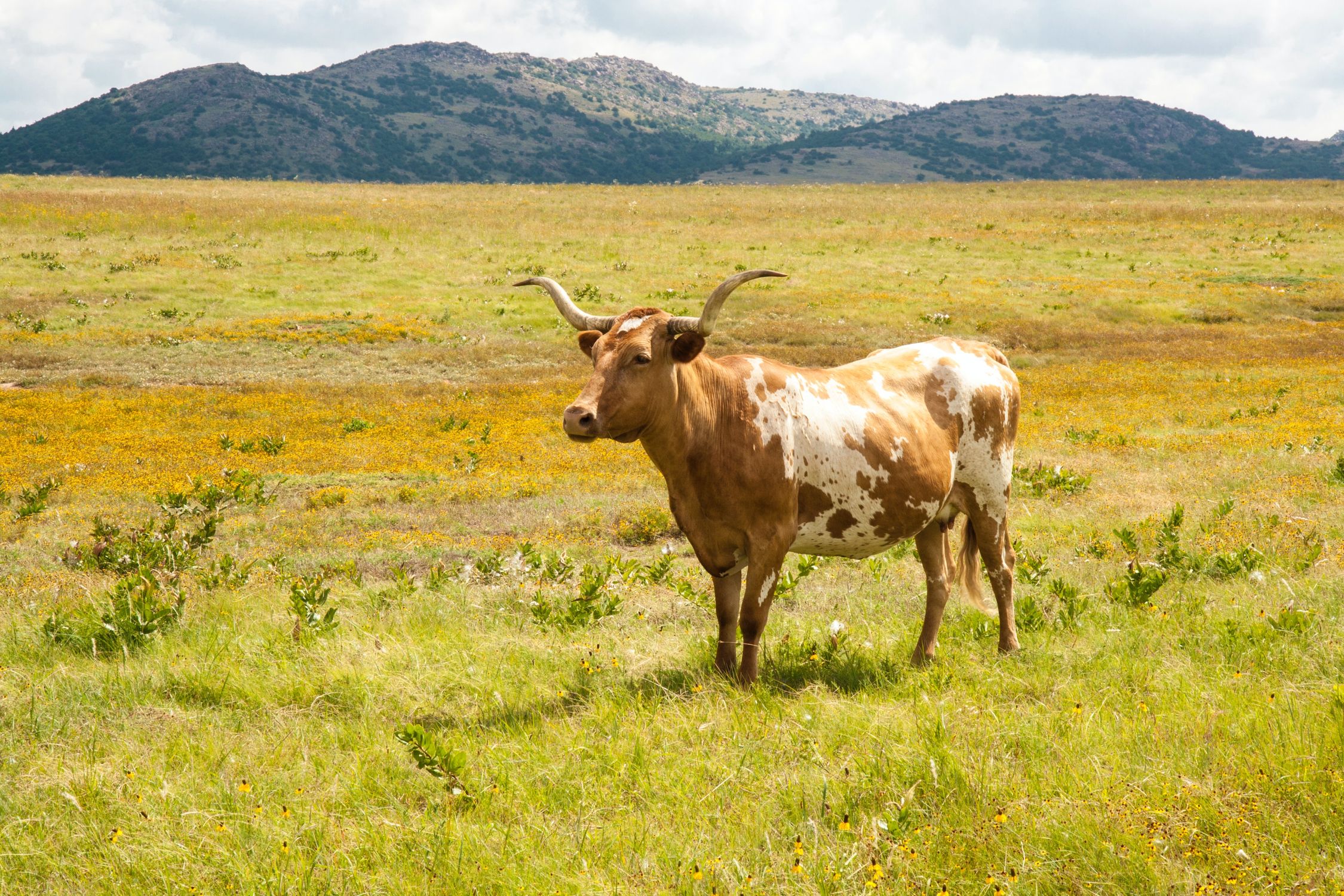
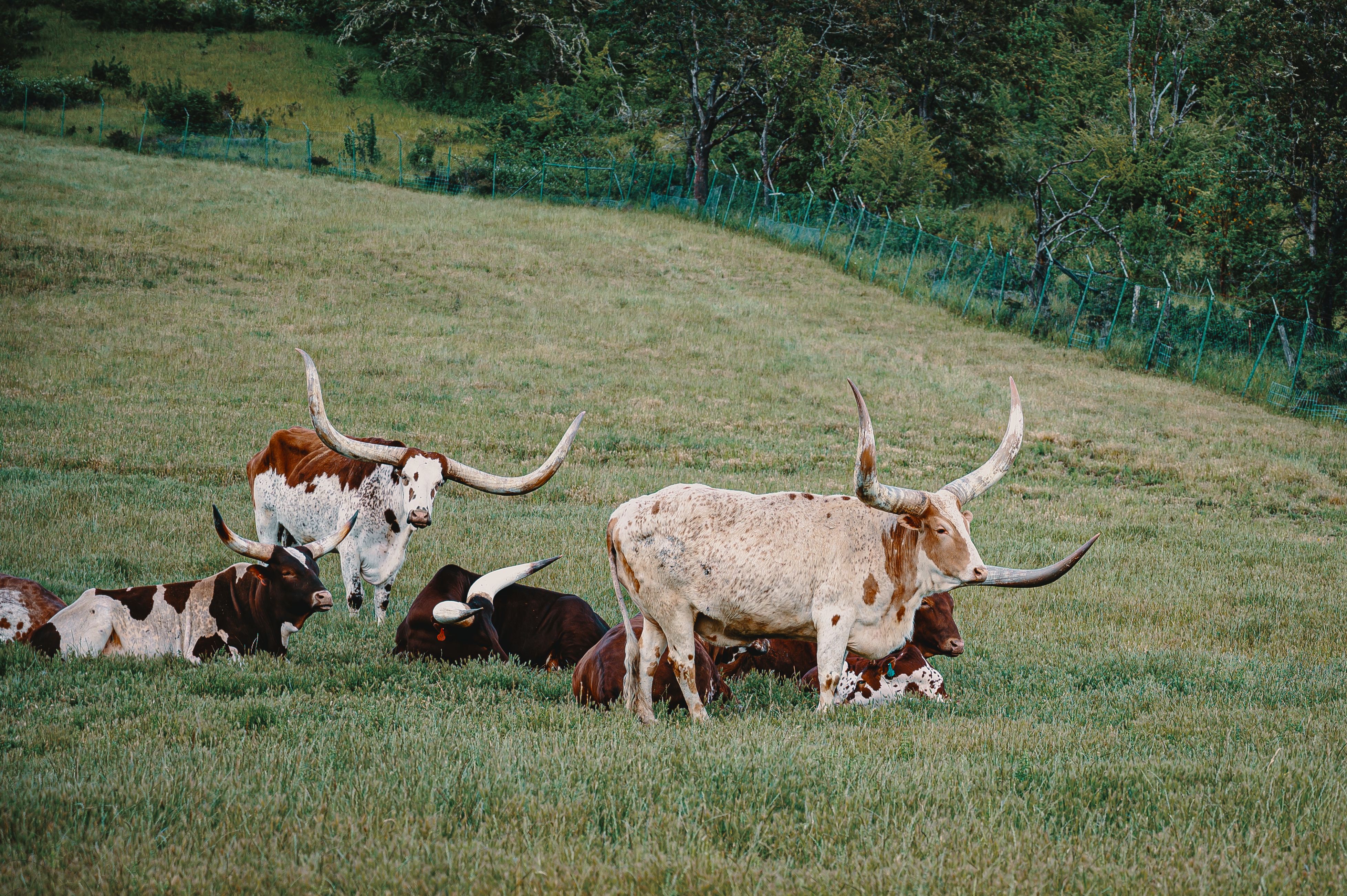
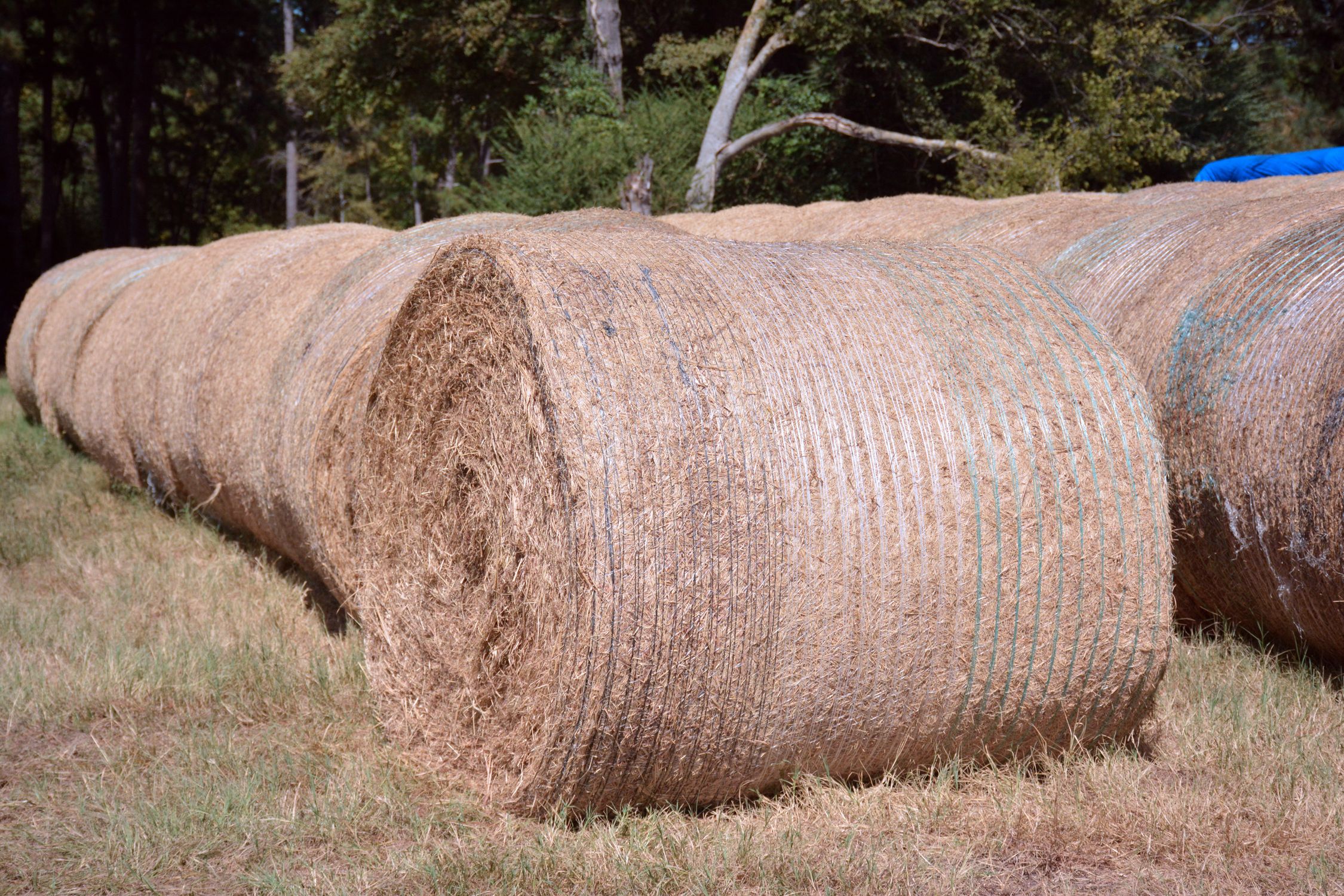
For cattle operations, which remain the backbone of Bastrop County agriculture, a 20-acre tract with improved coastal bermuda grass pasture can typically support 3 to 4 animal units. Hay production is also common, and Bastrop CAD recognizes hay as a qualifying agricultural use when baled and used for livestock feed or sold commercially.
Goats and sheep are well-suited to the brushy marginal areas that cover parts of central and southern Bastrop County. Spanish and Boer goats, along with hair sheep, thrive on cedar, sumac, and oak regrowth. Goats require stout fencing and predator control, but they are an excellent way to meet degree of intensity standards on smaller, rocky, or sloped land that cannot support cattle at a commercial density.
Horse Operations as a Qualifying Use
Horses are specifically recognized as a qualifying agricultural use in Bastrop County, which sets the county apart from some neighboring appraisal districts that treat horses only as part of a broader livestock operation. Bastrop CAD's Agricultural Guidelines acknowledge horse breeding, training, and boarding operations as legitimate agricultural enterprises when conducted at a degree of intensity consistent with commercial standards in the region.
The key distinction Bastrop CAD makes is between a commercial horse operation and personal recreational horses. A property with a few horses kept for trail riding does not qualify. To meet the degree of intensity standard, you must demonstrate a bona fide agricultural enterprise with breeding, training, or boarding of outside horses that produces agricultural income. Bastrop CAD evaluates the number of horses relative to acreage, facilities, and income relative to typical local operations.
For horse breeding operations, Bastrop CAD expects registered broodmares, a breeding program that produces foals for sale, and facilities appropriate to the scale. For training and boarding, the expectation is horses boarded for clients at rates consistent with commercial operations, with proper facilities including stables, turn-out pastures, arenas, and cross-fencing.
The carrying capacity for horses is generally the same as cattle at one animal unit per equivalent acreage, but horses require more intensive pasture management because they graze more selectively and can overgraze smaller paddocks quickly. A well-managed horse operation in Bastrop County will include rotational grazing, manure management, and regular soil testing to maintain pasture quality.
Beekeeping in Bastrop County
Beekeeping is a qualifying agricultural use in Bastrop County and works well for smaller acreage properties where traditional livestock may be impractical. Bastrop CAD requires a minimum of 6 colonies on 5 acres, with an additional 1 hive per 2.5 acres above the minimum. The graduated schedule is: 5-7.49 acres requires 6 hives, 7.5-9.99 requires 7, 10-12.49 requires 8, 12.5-14.99 requires 9, and 15-17.49 requires 10. The maximum acreage considered for beekeeping valuation is 20 acres, so larger properties should typically use livestock or wildlife management as the primary qualifying use.
The Lost Pines region provides excellent beekeeping conditions. Loblolly pines produce pine pollen and honeydew, while native plants like gallberry, yaupon, and various forbs provide nectar through spring, summer, and fall. Many Bastrop County beekeepers place hives in sandy soil areas where native wildflowers thrive.
Bastrop CAD requires beekeepers to register hives with the Texas Apiary Inspection Service, maintain active colonies through the year, and follow best management practices including disease control, requeening, and honey harvesting. A record of hive inspections, disease treatments, and honey production will support your application if documentation is requested.
Wildlife Management as an Alternative
Wildlife management is available in Bastrop County as an alternative to traditional agricultural uses. Under Tax Code 23.51(7), the land must have been appraised as qualified open-space or timber land at the time the wildlife management use began, which in practice means it carried that valuation in the preceding year. There is no separate multi-year holding period for wildlife itself. The five-of-seven history rule applies to getting the underlying agricultural valuation in the first place, not to the conversion.
The minimum acreage for wildlife management is 10 acres, matching the agricultural minimum. Wildlife management requires at least 3 of 7 recognized practices: habitat control, erosion control, predator management, supplemental water, supplemental food, shelter, and census counts. Most Bastrop County wildlife management plans include habitat control through prescribed burning or brush management, supplemental water through guzzlers, and annual census counts for white-tailed deer, turkey, or quail.
The Lost Pines ecosystem supports white-tailed deer, Rio Grande turkey, bobwhite quail, fox squirrels, and numerous songbird and waterfowl species. Bastrop CAD expects wildlife management plans tailored to the specific habitat types present on the property, with practices appropriate to the target species. A written plan should include specific management goals, a schedule of practices, and documentation methods. Bastrop CAD's agricultural department can review draft plans before formal submission.
Filing Your Bastrop County 1-d-1 Application
The deadline for filing a 1-d-1 application with Bastrop CAD is April 30 of the current tax year. Applications submitted after this date are considered for the following year. Bastrop CAD accepts applications in person at 212 Jackson Street in Bastrop, by mail, or by email as PDF attachments. The appraisal district specifically notes that photo imagery of forms is not acceptable.
You can find the required forms on the Bastrop CAD website under the Forms and Guidelines section. The primary form is the 1-d-1 Open Space Application, which requests information about your property, agricultural use, number and type of livestock, acreage devoted to each use, and management practices. Bastrop CAD also offers a drop box on the south side of the office building for after-hours submission.
For new landowners who purchased property that already had agricultural valuation, you must file a new application in your name. The previous owner's exemption does not transfer automatically. Bastrop CAD recommends filing as soon as possible after closing to ensure your application is processed before the April 30 deadline.
For landowners converting to wildlife management use, form 50-129 is the appropriate application. This form documents the conversion and must include a detailed wildlife management plan.
Rollback Tax Consequences
If you change your land's use from agricultural to non-agricultural, Bastrop CAD will impose a rollback tax. This recaptures the difference between the taxes you paid under agricultural valuation and the taxes you would have paid at market value, for the three years preceding the year of the change. The change-of-use year itself is not included, and no interest is added to the penalty. HB 1743 cut the lookback from five years to three effective September 1, 2019, and HB 3833 deleted the interest provision from Tax Code 23.55(a) effective June 15, 2021. Rollback taxes can still be substantial on properties where market values climbed while the ag value stayed flat.
The rollback applies when the land is diverted to non-agricultural use. Selling to someone who continues agricultural use does not trigger it. However, selling to a developer planning to subdivide will trigger the full rollback. Building a residence on a portion of the land may trigger a partial rollback on the construction site while the remainder retains agricultural valuation if it continues to meet degree of intensity standards.
Bastrop CAD Contact Information
Bastrop Central Appraisal District 212 Jackson St, Bastrop, TX 78602 Phone: (512) 303-1930 Website: https://bastropcad.org
The Bastrop CAD agricultural department handles 1-d-1 applications, guidelines questions, and wildlife management plan reviews. The staff can answer questions about your specific property, the application process, and documentation for your chosen agricultural use. Bastrop CAD's published Agricultural, Wildlife and Land Guidelines are available on the website with detailed degree of intensity standards for all qualifying uses.
Sources
This reflects Texas law as of August 2026, including HB 1743 (86th Legislature, effective September 1, 2019), which cut the open-space rollback from five years to three, and HB 3833 (87th Legislature, effective June 15, 2021), which removed rollback interest entirely.
- Texas Tax Code Section 23.51 - qualified open-space land, degree of intensity, and the 5 to 20 acre beekeeping band
- Texas Tax Code Section 23.54 - application requirements; the statute says "before May 1," which makes April 30 the last valid day
- Texas Tax Code Section 23.55 - additional tax on change of use, three preceding years, no interest
- HB 1743 (86th Legislature) and HB 3833 (87th Legislature)
- Manual for the Appraisal of Agricultural Land - the Comptroller's appraisal methodology
- Form 50-129 - the 1-d-1 open-space application
Verified August 6, 2026. The statutory rules above are statewide. Minimum acreage, hive schedules, stocking rates, and productivity values are local standards set by Bastrop CAD and change year to year, so confirm current figures with the district before filing.