Johnson County Ag Exemption: JCAD Requirements and Filing Guide
How to get an ag exemption in Johnson County, Texas. What JCAD requires for grazing, hay, bees, and wildlife, the April 30 deadline, and Form 50-129 steps.

Land in Johnson County qualifies for agricultural appraisal when it is devoted principally to agriculture or timber, meets the county's accepted degree of intensity, and was in that use five of the last seven years, per the Central Appraisal District of Johnson County. You file Form 50-129 by April 30, and after approval you do not refile unless asked.
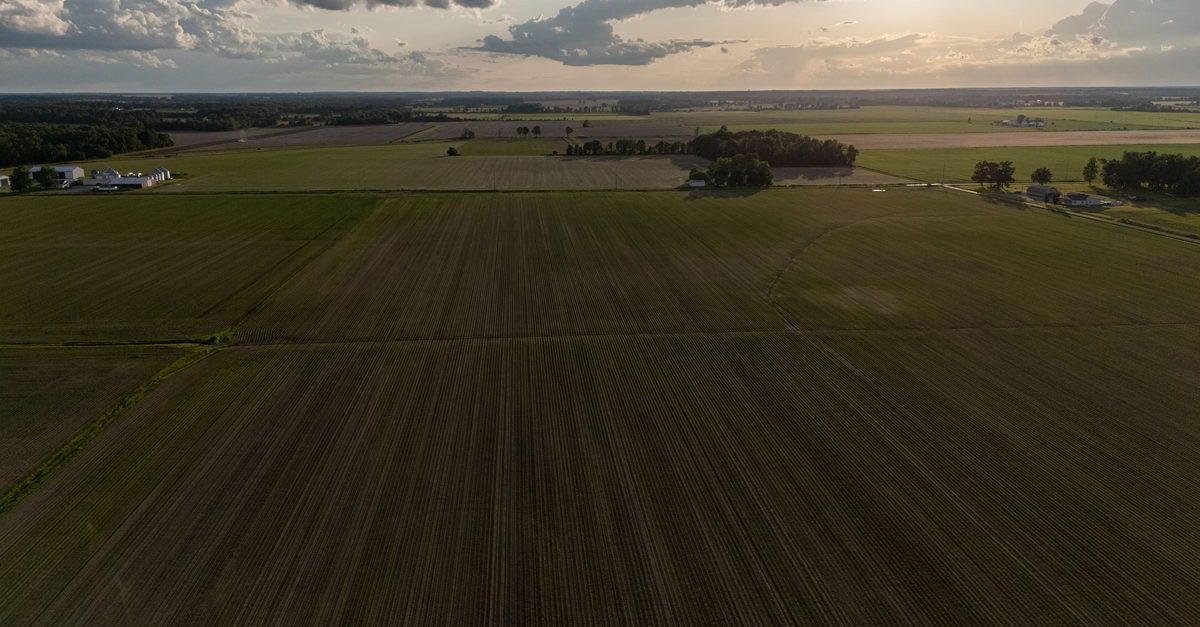
Johnson County runs from the Cross Timbers woodlands around Cleburne, Joshua, and Burleson into the blackland prairie toward Godley and Venus. Cattle and hay still dominate, but DFW development pressure along the I-35W corridor puts a target on every open pasture. JCAD appraisers look closely at tracts near Burleson and Joshua, and this guide gives you the standards to meet before yours is reassessed.
This is a working guide for the county: the tests your tract must pass, what JCAD expects for each use, the filing steps, and what happens if the use stops. For the statewide rules behind them, see our complete guide to getting an ag exemption in Texas.
What You Need Before You Start
Pull these together before you open the form. Missing paperwork is the most common reason a Johnson County application stalls.
- Your account number or physical address from the Johnson CAD property search. Look up what the district currently shows for your parcel.
- A plat or survey showing your parcel lines, so you can mark the acreage actually in production.
- Proof of use for recent years: hay sales receipts, calf tickets, vet and feed invoices, lease agreements, custom cutting invoices, or hive service records.
- A filling-in-the-blank copy of Form 50-129, the Application for 1-d-1 (Open-Space) Agricultural Use Appraisal, from the Comptroller's property tax forms page.
- A realistic read on intensity. Owning cattle is not enough. The herd has to match what a typical Johnson County operation carries on land like yours.
What Tests Does Your Land Have to Pass?
JCAD's own guidance lays out what the district evaluates, and it follows the same 1-d-1 framework the Constitution gives every Texas county. The district's agricultural guidance states the core rules plainly.
- Principal use. Agriculture or timber must be the land's main job, not a hobby wrapped around a house site. A hobby herd on a small yard next to a new house will not carry the appraisal.
- Degree of intensity. Your operation must match the level of activity generally accepted in the area. This is where small tracts usually fail, and it is why two 20-acre farms ten miles apart can get different answers.
- Use history. Under Tax Code 23.51, the land must have been in qualifying agricultural use for at least five of the preceding seven years. Prior owners' hay and grazing years usually count, which is why buying land that already carries the valuation is a head start. See our guide to transferring an ag exemption when you buy land.
- Timely application. File by April 30 of the tax year you are applying for. If April 30 falls on a weekend or holiday, JCAD's guidance says the filing is timely on the next regular business day.
There is a second, older category called 1-d appraisal. JCAD's guidance notes it requires only three years of use, but the owner must be an individual rather than a corporation or partnership, and agriculture must be the owner's primary source of income. Very few Johnson County landowners fit that description, and the district itself says most landowners apply for 1-d-1. Assume that is your path.
What About a Minimum Acreage
Johnson CAD does not publish a single statewide-style acreage floor, and no statute sets one. The practical number in this county is around 10 acres for grazing or hay, because that is roughly the scale a typical local operation needs to hit the intensity bar. Beekeeping is the exception written into Tax Code 23.51: hive use applies on tracts of not less than 5 or more than 20 acres. For how thresholds compare across neighboring districts, see our county-by-county table of minimum acreage for an ag exemption in Texas.
What Does JCAD Expect for Each Use?
The intensity standard is different for every use. This is what a defensible operation looks like in Johnson County for the uses landowners actually file for.
| Use | What the file needs to show | Watch-outs |
|---|---|---|
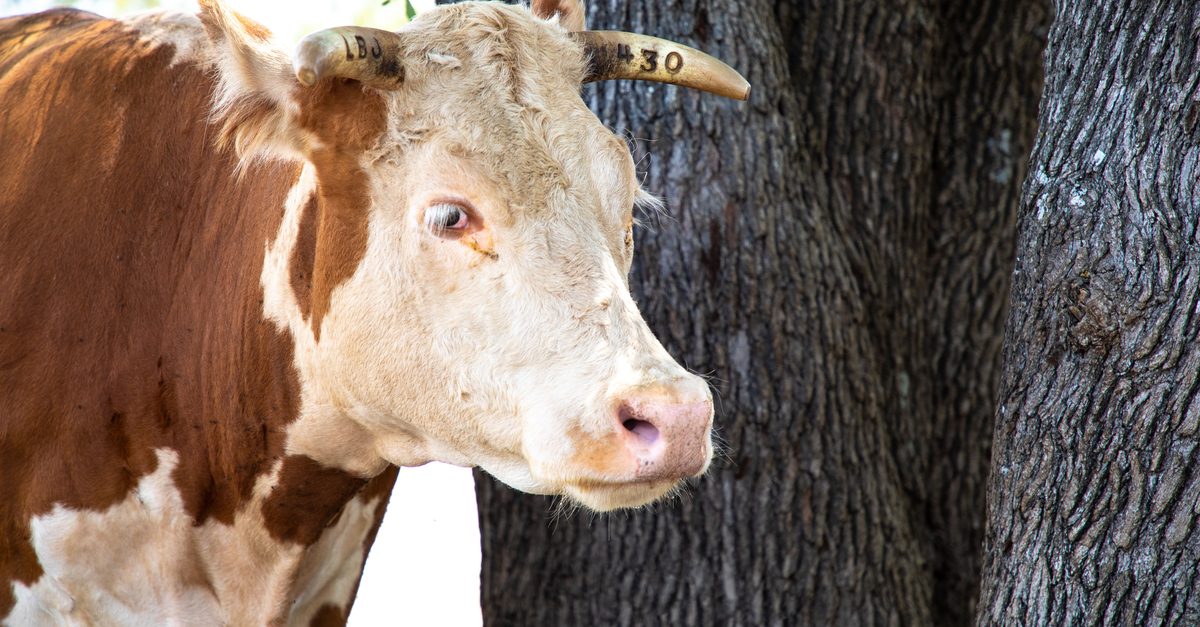
| Cattle and livestock | A stocking rate typical for the county's soil and forage, plus evidence the animals grazed the tract | Restocking two boarders in spring does not prove a commercial herd |
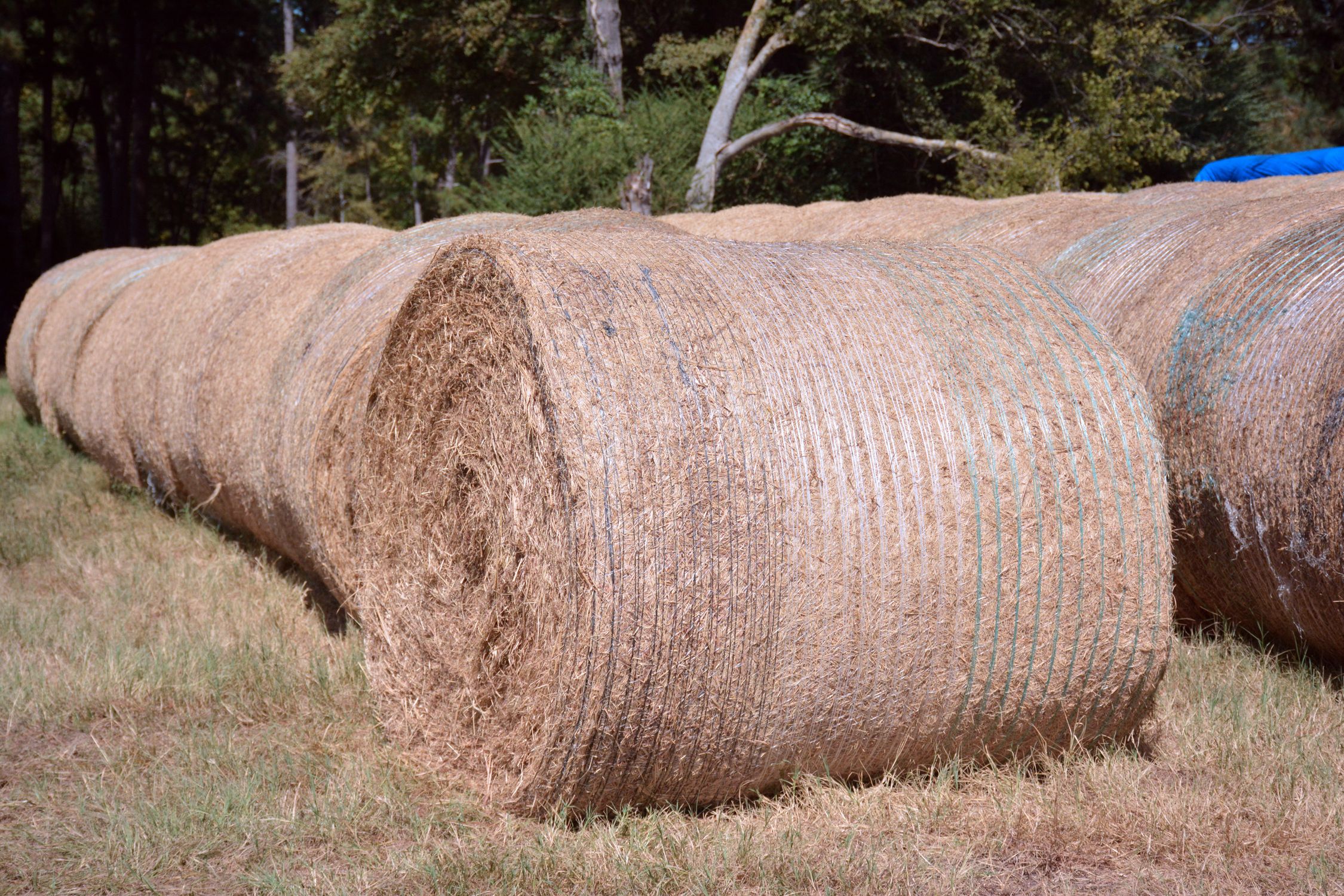
| Hay | Actual cutting and baling or harvest each year, with sales or feeding records | Mowing for aesthetics is not hay production |
| Row crops | Planted acres, harvest, and sales consistent with a working farm | A garden feeding a family is not a crop operation |
| Beekeeping | Colonies on 5 to 20 acres, kept and managed, per the statute | Registration and service records matter; see our apiary registration guide |
| Wildlife management | An existing ag valuation plus a written plan with active practices | Wildlife is a conversion, never an entry point |
Johnson County sits in post oak and blackjack country, and Cross Timbers pasture carries fewer animals per acre than the blackland fields on the county's east side. A stocking rate that impresses in Venus can look thin in Joshua. If your acreage is under about 10 acres, plan your use deliberately rather than defaulting to a couple of cows. Horses have their own quirks statewide, covered in our guide to horses and the Texas ag exemption, and leased land raises its own proof problems, which we walk through in how ag exemption works on leased land.
How to File With Johnson CAD, Step by Step
The procedure itself is simple. The evidence is the work.
- Check your record first. Search your parcel on the Johnson CAD site and note the current use code and appraisal. If a prior owner carried 1-d-1, say so in your application; the history belongs to the land, not the person.
- Choose the use that genuinely fits. Pick the one use that carries your land. Trying to claim grazing, hay, and bees on 8 acres invites a denial of all three.
- Get the use in place before you file. Colonies on the ground, cattle on pasture, hay cut and baled. An application describing plans for next spring is describing land that does not yet qualify.
- Complete Form 50-129. Fill in the acreage in production honestly, subtracting the home site and any non-ag acreage. The same form is available from Johnson CAD.
- Attach your proof. Bundle three to five years of records with the application, organized by year. Photos dated on the phone help, especially for beekeeping and wildlife practices.
- Deliver it by April 30. Drop it at the Cleburne office or mail it so it arrives before the deadline. Keep a date-stamped copy of everything.
After filing, expect a field visit on a new application. An appraiser walks the tract, counts what is there, and compares it to the intensity standard. The notice of determination that follows either grants the 1-d-1 designation or explains the denial. If you miss April 30, Tax Code 23.54 allows a late payment of 10 percent of the tax difference in some cases before the roll is approved. Treat that as a repair window, not a plan.
What Happens After Johnson CAD Approves?
Approval of a 1-d-1 appraisal is not a one-time trophy. JCAD's guidance is explicit that 1-d-1 owners need not file again in later years unless the chief appraiser requests a new application, but the duty to keep qualifying never ends.
Keep your records current every year. Receipts, calf tickets, hive inspections, and cutting records cost nothing to save and are the entire defense when an appraiser reopens your file. Keep dated photos of the pasture with animals in frame.
Tell the district when your facts change. New owners, a split parcel, a barn raising, or a switch from cattle to bees each deserve a call. Silent changes are what turn a routine review into a rollback letter. If a denial or a reduced valuation lands anyway, your remedy is the appraisal review board, and our guide to protesting your Texas property tax appraisal covers the process start to finish.
What Happens If the Agricultural Use Stops?
Stop farming and the district does not simply bill you at market value going forward. Under Tax Code 23.55, changing the land's use to something other than agriculture triggers a rollback: the district can capture, for each of the three years preceding the change, the difference between the tax imposed and the tax that would have been imposed without the special appraisal. The good news, which surprises most owners, is that 1-d-1 rollback carries no interest penalty, unlike the 1-d category. The math, the exceptions, and the tricks that avoid a rollback are worked through in our guide to Texas ag exemption rollback penalties.
Requalification is possible when bad years force land idle. A drought year with documented failed cutting is a different story from four years of doing nothing. If you intend to restart, write to the district and keep any evidence of intent, such as lease negotiations or fencing purchases.
Wildlife Management as a Second Step
Land already carrying 1-d-1 in Johnson County can convert to wildlife management valuation under a written plan, which keeps the special appraisal while you manage native habitat instead of grazing. The county's post oak woodlands support deer, turkey, and quail plans well. The conversion rules, the practice list, and the plan itself are covered in our wildlife management plan guide and the wildlife vs. ag comparison. Remember the trap: wildlife is a conversion from existing ag valuation, not a door in from raw land.
What Goes Wrong, and How Do You Check Your Work?
Most denials in a county like Johnson come from a short list of repeat errors. Check your file against them before you call it done.
- The acreage habit. Owners copy "10 acres" from a forum into the production box on a 6-acre tract. State what is actually in use.
- Intensity denial by silence. Two cows on 15 acres of scrub with no records proves nothing. Bring receipts or expect questions.
- Assuming the previous exemption renews itself. The designation follows the land and the use, not the memory of the last owner's file. Verify what JCAD shows the day you close.
- Building first, filing never. A new house on the pasture edge can shrink your qualifying acres on the next inspection.
- Ignoring the notice. The appraisal notice each spring is your early warning. A use code quietly flipped to "A" is a rollback heading your way. The Johnson County county page has the district's contact information and current exemption rules in one place.
A quick self-check before every filing season: the land is principally in agriculture right now, the operation matches county intensity, the records for the past three years are in a folder, and the acreage on the form matches the acreage in the field. If all four hold, you are in defensible shape. If any one fails, fix the use before you file, not the paperwork after. The candid view we give every Johnson County reader is this: an application you could not survive without the prior owner's history is an application you should not file yet. Build the use for a season, document it, and file from strength. For your other deadlines, from the protest window to the delinquency date, keep our Texas property tax deadlines calendar open next to it, and run the projected tax on your parcel through the savings estimator to see what the designation is actually worth to you.
INFO
Johnson CAD's field staff inspect new 1-d-1 applications. Walk your own fence line first and photograph what an appraiser would see, because the easiest fixes are the ones you find yourself.
Sources
Figures and rules above are current as of October 26, 2026: the 5-of-7 use history (Tax Code 23.51), the 5-to-20-acre beekeeping range (Tax Code 23.51(2)), the late-filing cost (Tax Code 23.54), and the three-year 1-d-1 rollback with no interest (Tax Code 23.55). No legislation in the 2025 regular session changed these open-space provisions.
- Johnson CAD agricultural guidance (news release) - the district's own statement of the 1-d and 1-d-1 tests, the April 30 deadline, and annual filing rules.
- Tax Code 23.51 - qualifying uses, the five-of-seven-years history, and the beekeeping acreage range.
- Tax Code 23.54 - application deadline and the late-filing penalty.
- Tax Code 23.55 - rollback computation for 1-d-1 land.
- Comptroller property tax forms - Form 50-129 and related applications.
- Johnson CAD forms and applications - local forms, property search access, and district contacts.
Verified October 26, 2026. JCAD does not publish a single numeric stocking rate or hive count online; confirm current local intensity standards with the district before filing.