Guadalupe County Ag Exemption: 1-d-1 for I-35 Landowners
Learn how to get an ag exemption in Guadalupe County, Texas. Covers CAD livestock standards, minimum acreage, beekeeping rules, and the 1-d-1 application.

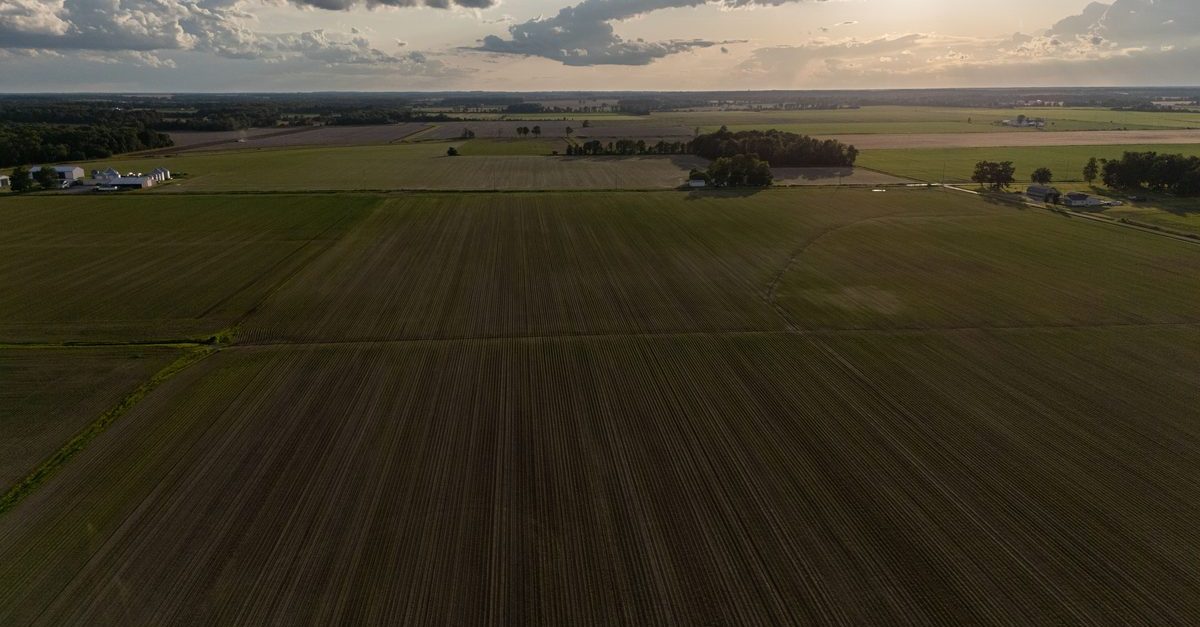
Getting an agricultural exemption in Guadalupe County requires understanding standards set by the Guadalupe Appraisal District (GAD) for a county caught between the explosive growth of the I-35 corridor and the working farm and ranch operations that have defined the region for generations. Guadalupe County stretches from Seguin south to the Guadalupe River bottoms, with landscapes ranging from the rich blackland soils east of I-10 to the lighter clay and sandy loam soils near the Comal County line.
This geography matters for your 1-d-1 application. GAD evaluates every application against degree of intensity standards that account for these differences.
If you own 10 or more acres in or around Seguin, Schertz, Cibolo, Marion, or Santa Clara, agricultural valuation can reduce your property tax burden by as much as 90 percent on qualifying land. With average market land values around $7,203 per acre and agricultural productivity values near $140 per acre, the annual tax savings on a 20-acre tract can exceed $1,600.
What Is the Guadalupe County Ag Exemption and How Does It Work?
The agricultural exemption in Texas is technically not an exemption at all. It is a special method of property appraisal under Article 8, Section 1-d-1 of the Texas Constitution. Under this provision, qualified open-space land is valued based on its agricultural productivity rather than its full market value. For Guadalupe County landowners, this distinction is especially significant because land values along the I-35 corridor have risen dramatically as the San Antonio and Austin metro areas continue to converge.
Guadalupe CAD uses a productivity valuation method to calculate the appraised value of qualified agricultural land each year. The district classifies land by soil type and capability, including native pasture, improved pasture, dry cropland, and waste land. The appraised productivity value is derived from actual lease rates and income data collected from Guadalupe County agricultural operations, not from neighboring counties. This means your valuation reflects local conditions and local markets.
To qualify for 1-d-1 valuation, your land must be devoted principally to a qualifying agricultural use such as livestock grazing, hay production, crop cultivation, or beekeeping. Your use must meet the degree of intensity generally accepted in Guadalupe County, and you must file a completed 1-d-1 application with the appraisal district by April 30 of the current tax year.
GAD also recognizes the older 1-d appraisal method, which is more restrictive and requires agriculture to be the owner's primary source of income. Most Guadalupe County landowners use the 1-d-1 method because it has fewer restrictions.
What Are the Minimum Acreage Requirements in Guadalupe County?
Guadalupe County requires a minimum of 10 acres to qualify for agricultural valuation under the 1-d-1 open-space designation. This minimum applies across most agricultural use types, including livestock grazing, hay production, and row crops. For beekeeping, the minimum is 5 acres with a specific colony requirement that we will cover in its own section below.
The 10-acre minimum is consistent with neighboring counties in Central Texas, but GAD evaluates each application based on the specific agricultural use and the physical characteristics of the individual tract. A 10-acre property with deep blackland soil near the Guadalupe River bottoms has a much higher carrying capacity than a 10-acre tract on thinner clay soils near Marion. GAD field inspectors account for these differences during site visits, which are a standard part of the initial application review process.
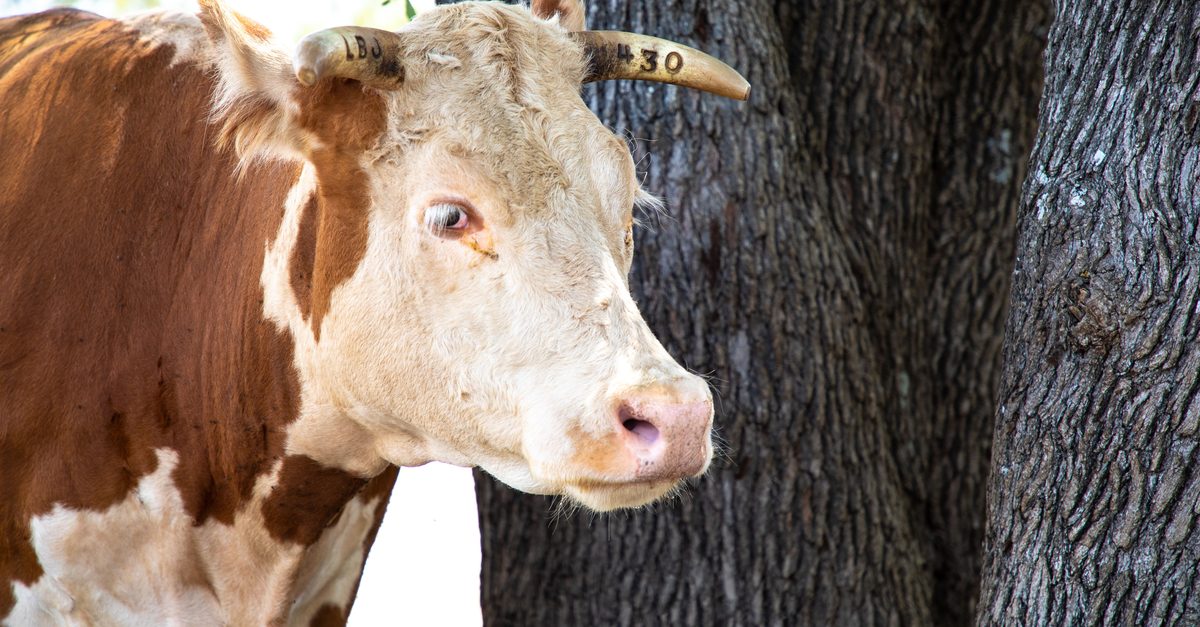
For livestock grazing, which is the most common agricultural use in Guadalupe County, the appraisal district requires a minimum of 5 animal units on the property. One animal unit equals one mature cow and calf, one horse, five sheep, or six goats. This 5-unit minimum is important because it is higher than some neighboring counties that require only 3 animal units. A landowner with only 3 or 4 cows on a 12-acre tract may find their application denied if GAD determines the operation does not meet the minimum intensity standard.
For small acreage tracts that include a homesite, GAD generally treats the homesite as a separate land segment based on the homesite cap provisions of the Texas Property Tax Code. Only the portion of land actually devoted to agricultural use receives the productivity valuation. The homesite and any non-qualifying acreage are appraised at market value. A 12-acre tract with a 1-acre homesite would typically qualify 11 acres for agricultural valuation, provided the remaining acreage meets the degree of intensity standard for the chosen agricultural use.
Livestock Requirements and Degree of Intensity Standards
Guadalupe CAD evaluates livestock operations using the animal unit method. The degree of intensity standard requires that your land be stocked at a level consistent with what a prudent manager in Central Texas would maintain. This means not just owning livestock, but managing them actively with proper fencing, rotational grazing, and water access.
Qualifying uses for livestock include cattle, horses, goats, and sheep. For cattle, GAD expects evidence of active herd management including vaccination records, mineral supplementation, and a grazing plan matching the land's carrying capacity. For goat and sheep operations, the district looks for proper fencing, parasite management, and evidence of regular marketing.
The 5 animal unit minimum means a 10-acre tract must support at least 5 animal units year-round. The average Guadalupe County pasture supports approximately one animal unit per 2 to 3 acres on improved pasture, though this varies based on soil quality. On native pasture, the carrying capacity may be as low as one animal unit per 5 to 7 acres. GAD field inspectors assess actual carrying capacity during site visits.
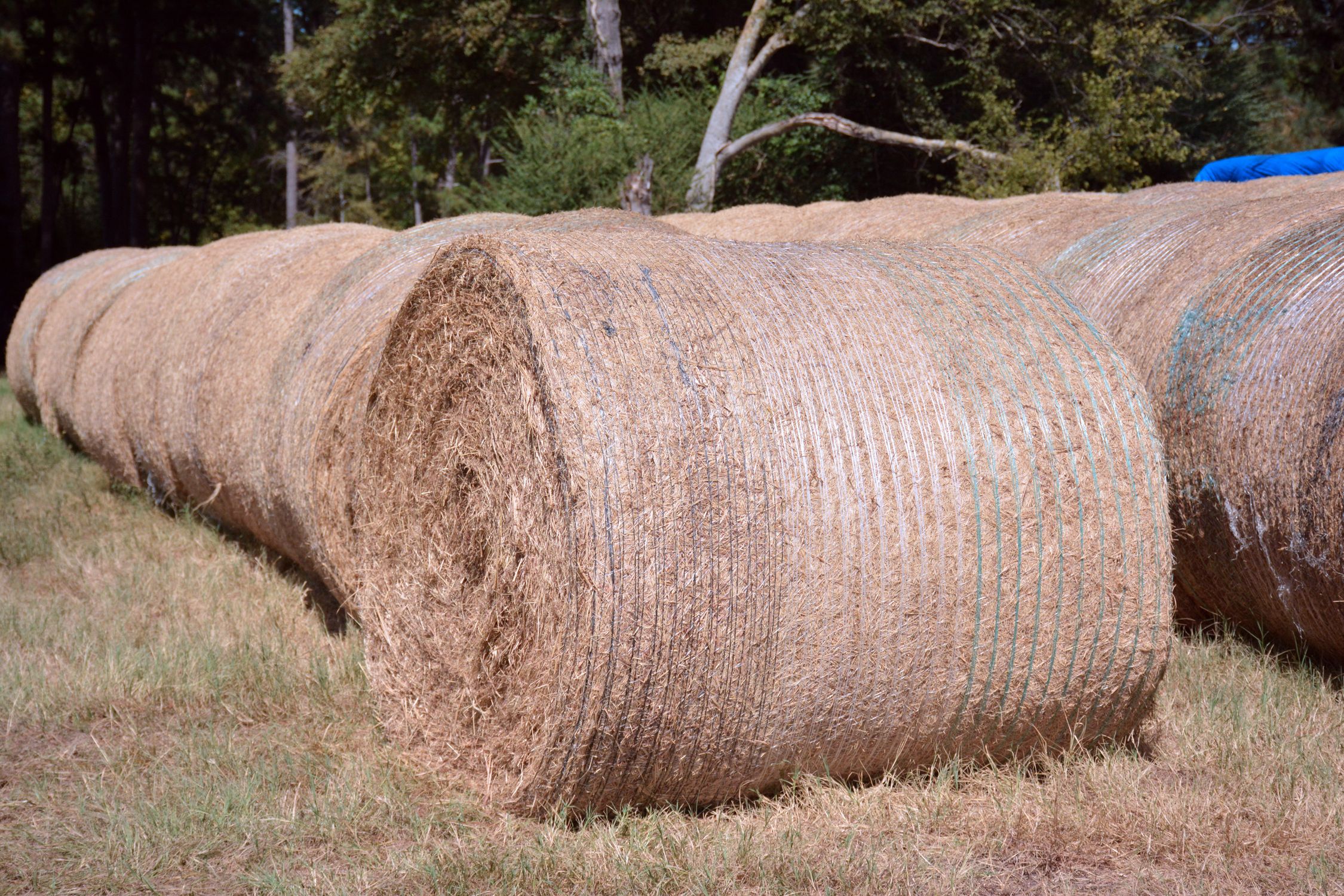
Hay production is another qualifying use, particularly on properties with sufficient soil depth for coastal Bermuda grass. A hay operation typically requires at least 10 acres of mowable land, and GAD expects evidence of regular cutting, baling, and sale or on-farm use. Simply letting a field grow without cutting does not qualify.
Beekeeping as an Agricultural Use in Guadalupe County
Beekeeping has become an increasingly popular path to agricultural valuation in Guadalupe County, especially for landowners with smaller tracts who find livestock less practical. Guadalupe CAD maintains specific beekeeping standards that applicants must understand before filing.
The minimum requirements for beekeeping in Guadalupe County are 6 colonies of bees on a minimum of 5 acres. For properties larger than 5 acres, the district requires 1 additional hive per 2.5 additional acres, with a maximum property size of 20 acres eligible for beekeeping valuation. This means that a 10-acre tract would need 8 hives (6 for the first 5 acres, plus 1 for each additional 2.5 acres).
GAD expects beekeepers to demonstrate active management of their apiaries. This includes evidence of regular hive inspections, disease treatment for varroa mites and American foulbrood, honey harvesting, and replacement of winter losses. The appraisal district may request records of honey production, equipment purchases, or Texas Apiary Inspection Service registration as proof of active management.
The beekeeping path has two distinct advantages for Guadalupe County landowners. It requires less land than livestock grazing to meet the minimum acreage threshold, and the management demands are less time-intensive for landowners with full-time off-farm employment. However, the 6-hive minimum is higher than some Texas counties that require only 5 hives, and the requirement to add hives as acreage increases means that landowners on larger tracts may need more colonies than they expect.
Wildlife Management Conversion in Guadalupe County
For Guadalupe County landowners who currently hold agricultural valuation but find traditional farming or ranching less practical as they age or as development pressures increase around Seguin and Schertz, wildlife management offers a way to maintain the ag exemption with less intensive day-to-day management.
Guadalupe County requires a minimum of 10 acres for wildlife management valuation, and under Tax Code 23.51(7) the land must have been appraised as qualified open-space or timber land at the time the wildlife management use began. In practice that means it carried the ag valuation in the preceding year. There is no separate multi-year holding period for wildlife itself; the five-of-seven history rule applies to earning the underlying agricultural valuation. Either way, you cannot get wildlife management valuation on land that never established agricultural use, which is what stops buyers from converting raw land straight to wildlife for tax purposes.
To qualify, you must implement at least 3 of the 7 state-approved wildlife management practices on your property. These practices are habitat control, erosion control, predator control, supplemental water, supplemental food, shelter construction or maintenance, and census counts. GAD requires a written wildlife management plan that details which practices you will implement, the specific methods you will use, and a timeline for implementation and review.
Wildlife management is an excellent option for Guadalupe County landowners with tracts that are difficult to access for livestock or equipment, properties with significant timber or brush cover, or landowners who prefer to manage for native wildlife such as white-tailed deer, turkey, quail, or migratory birds. The appraisal district reviews wildlife management plans annually and may conduct periodic site visits to verify that the plan is being followed.
The Application Process for Guadalupe County 1-d-1 Valuation
The application process begins with filing Texas Comptroller Form 50-129, the Application for 1-d-1 (Open-Space) Agricultural Appraisal, with the Guadalupe Appraisal District. This form requires information about your property including acreage, type of agricultural use, history of agricultural use, and your Ag/Timber Number.
The application deadline is April 30 of the current tax year. This deadline is firm, and late applications are generally denied. The appraisal district recommends filing early, ideally in January or February, because the review includes a field inspection that can take weeks to schedule.
After submission, GAD schedules a site visit. A field appraiser inspects the property to verify that the agricultural use claimed matches actual conditions. The appraiser evaluates fencing quality, livestock condition, pasture quality, and water infrastructure. This is a critical step, and landowners should ensure the agricultural operation is clearly visible at inspection time.
The Guadalupe Appraisal District operates a branch office in Schertz at 1101 Elbel Road, Suite 103, in addition to the main office at 3000 N Austin Street in Seguin. The main office phone is (830) 303-3313.
How Much Can You Save With Agricultural Valuation?
The financial benefit of agricultural valuation in Guadalupe County depends on your property size and the difference between market value and productivity value. Guadalupe County has an average tax rate of approximately 1.4 percent across all taxing entities.
The average market value per acre in Guadalupe County is approximately $7,203, while the agricultural productivity value is approximately $140 per acre. This means that for every acre qualifying for agricultural valuation, the taxable value is reduced by approximately $7,063. On a 20-acre tract, the annual tax savings are approximately $1,978 at the average tax rate. On a 50-acre tract, the savings exceed $4,900 per year.
These savings compound over time as land values along the I-35 corridor appreciate while productivity values remain relatively stable.
It is important to understand that only the portion of your land actually devoted to agricultural use receives the productivity valuation. Any homesite, yard, or non-agricultural acreage is still taxed at full market value. The agricultural valuation simply reduces the assessed value of qualifying land, not exempts you from taxes entirely.
Rollback Taxes and What Triggers Them
When the use of land receiving agricultural valuation changes to a non-agricultural use, Guadalupe CAD will assess a rollback tax. The rollback recaptures the difference between the taxes you paid under agricultural valuation and the taxes you would have paid at market value, for the three years preceding the year of the change. The change-of-use year itself is not included, and no interest is added to the penalty. HB 1743 cut the lookback from five years to three effective September 1, 2019, and HB 3833 deleted the interest provision effective June 15, 2021.
Several events can trigger a rollback. The most common is selling agricultural land to a developer who subdivides the property. Other triggers include constructing a new home on previously qualifying acreage, ceasing agricultural use without converting to wildlife management, or failing to maintain the degree of intensity required by GAD. Landowners who are considering selling or converting agricultural land should consult with a property tax professional before making changes.
If you plan to sell land that currently has agricultural valuation, discuss the rollback implications with your buyer. A buyer who intends to continue agricultural use may be able to assume the existing valuation without triggering a rollback, but this requires clear documentation with the appraisal district.
How to Get Help With Your Guadalupe County Application
Navigating the Guadalupe County agricultural valuation process is straightforward for landowners who prepare their documentation in advance. The Guadalupe Appraisal District staff can answer questions about eligibility, required forms, and deadlines. The main office is at 3000 N Austin Street in Seguin, with a branch office at 1101 Elbel Road, Suite 103, in Schertz. The main office phone is (830) 303-3313.
For landowners who prefer a guided approach, property tax consultants can help prepare and submit the application and coordinate the site visit. This is particularly useful for landowners who are new to agricultural valuation or who own land in multiple counties.
The Texas Comptroller of Public Accounts provides downloadable forms and publications explaining agricultural valuation on their website, including the Application for Texas Agricultural and Timber Exemption Registration Number (Form AP-228).
Whether you are an established rancher in the Guadalupe River bottoms or a new landowner with a small acreage near Cibolo, agricultural valuation offers substantial tax savings that make rural land ownership in Guadalupe County more affordable. With average savings of nearly $2,000 per year on a 20-acre tract, the effort required to secure 1-d-1 valuation is one of the best financial decisions a Guadalupe County landowner can make.
Sources
This reflects Texas law as of August 2026, including HB 1743 (86th Legislature, effective September 1, 2019), which cut the open-space rollback from five years to three, and HB 3833 (87th Legislature, effective June 15, 2021), which removed rollback interest entirely.
- Texas Tax Code Section 23.51 - qualified open-space land, degree of intensity, and the 5 to 20 acre beekeeping band
- Texas Tax Code Section 23.54 - application requirements; the statute says "before May 1," which makes April 30 the last valid day
- Texas Tax Code Section 23.55 - additional tax on change of use, three preceding years, no interest
- HB 1743 (86th Legislature) and HB 3833 (87th Legislature)
- Manual for the Appraisal of Agricultural Land - the Comptroller's appraisal methodology
- Form 50-129 - the 1-d-1 open-space application
Verified August 6, 2026. The statutory rules above are statewide. Minimum acreage, hive schedules, stocking rates, and productivity values are local standards set by Guadalupe CAD and change year to year, so confirm current figures with the district before filing.