Brazoria County Ag Exemption Guide: Requirements and 1-d-1 Application
Brazoria County ag exemption guide: minimum 10 acres, qualifying cattle and crop uses, April 30 deadline, and step-by-step 1-d-1 application for BCAD.

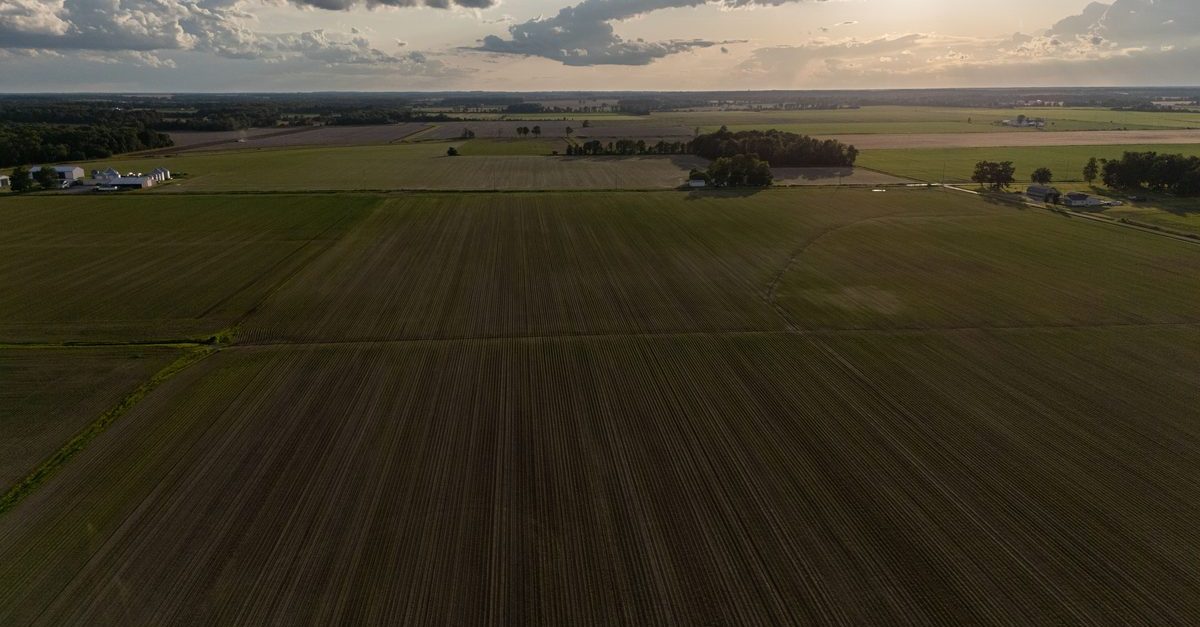
Brazoria County sits in the heart of the Texas Gulf Coast region, where rich alluvial soils and a 309-day growing season create some of the most productive agricultural land in the state. Through the 1-d-1 open-space agricultural appraisal, landowners can reduce their property tax burden by having their land valued at its agricultural productivity value rather than its full market value. For a typical Brazoria County property, this means a taxable value around $288 per acre instead of $10,000 per acre -- a reduction of roughly 97 percent.
This guide covers everything you need to know about qualifying for and maintaining an agricultural exemption in Brazoria County, including minimum acreage, degree of intensity standards, qualifying uses, and the application process with the Brazoria Central Appraisal District (BCAD).
What Is the Brazoria County Ag Exemption?
The Texas agricultural exemption is technically not an exemption at all. It is a special appraisal method under Texas Tax Code Section 1-d-1 that values agricultural land based on its capacity to produce crops or livestock rather than its real estate market value. In Brazoria County, where development pressure from the Houston metro area has pushed average land values past $10,000 per acre, the difference between market value and ag productivity value is substantial.
The annual property tax on a 50-acre tract at market value with a 1.75 percent tax rate would be approximately $8,750. Under agricultural appraisal at the same acreage, the tax drops to roughly $252. That difference of over $8,000 per year is why landowners across the county pursue the ag exemption.
The land itself receives the reduced valuation. Any improvements on the property -- your home, barns, sheds, and other structures -- are still appraised at full market value. If you live on your agricultural property, you can combine the ag exemption with a homestead exemption on your residence to further reduce your total tax burden.
Brazoria County is one of the few Texas counties where aquaculture and fish farming qualify as agricultural uses, reflecting the county's coastal environment and long history of rice and seafood production.
Minimum Acreage and Degree of Intensity
There is no statewide minimum acreage for 1-d-1 valuation. Tax Code 23.51(1) defines qualified open-space land by principal use and degree of intensity, not by acres. The only acreage figure written into the statute is the 5 to 20 acre band for beekeeping. Every other minimum you will see quoted is a local standard set by an appraisal district, and in Brazoria County the minimum tract size for agricultural valuation is 10 acres.
Meeting the minimum acreage alone does not guarantee approval. BCAD evaluates each property based on the degree of intensity of the agricultural operation. This means the quality and consistency of your agricultural activity matters as much as the size of your land.
For livestock operations, BCAD follows a stocking rate of approximately one animal unit per 3 acres on improved coastal Bermuda grass pasture. One animal unit equals one mature cow, one horse, five sheep, or six goats. A 10-acre tract running 3 animal units meets the minimum threshold, but a 10-acre property with a single horse kept for personal enjoyment does not qualify.
Small tracts between 10 and 20 acres face closer scrutiny. BCAD will examine whether the agricultural use is genuine and conducted at a level consistent with commercial operations in the area. Hobby farming, occasional grazing, or keeping animals as pets does not qualify regardless of acreage.
WARNING
Acreage minimums vary by agricultural use in Brazoria County. A rice farming operation on 20 acres requires documented production records showing harvest yields consistent with the area standard. A hay operation must show regular cutting schedules and fertilization practices. Simply owning land and calling it a farm is not enough.
Qualifying Agricultural Uses in Brazoria County
BCAD recognizes a range of qualifying agricultural uses, reflecting the diversity of the county's agricultural economy. The Brazoria County agricultural sector has historically centered on beef cattle, rice, and row crops, with Brahman cattle being the dominant breed due to their heat tolerance and resistance to parasites in the coastal climate.
Beef Cattle
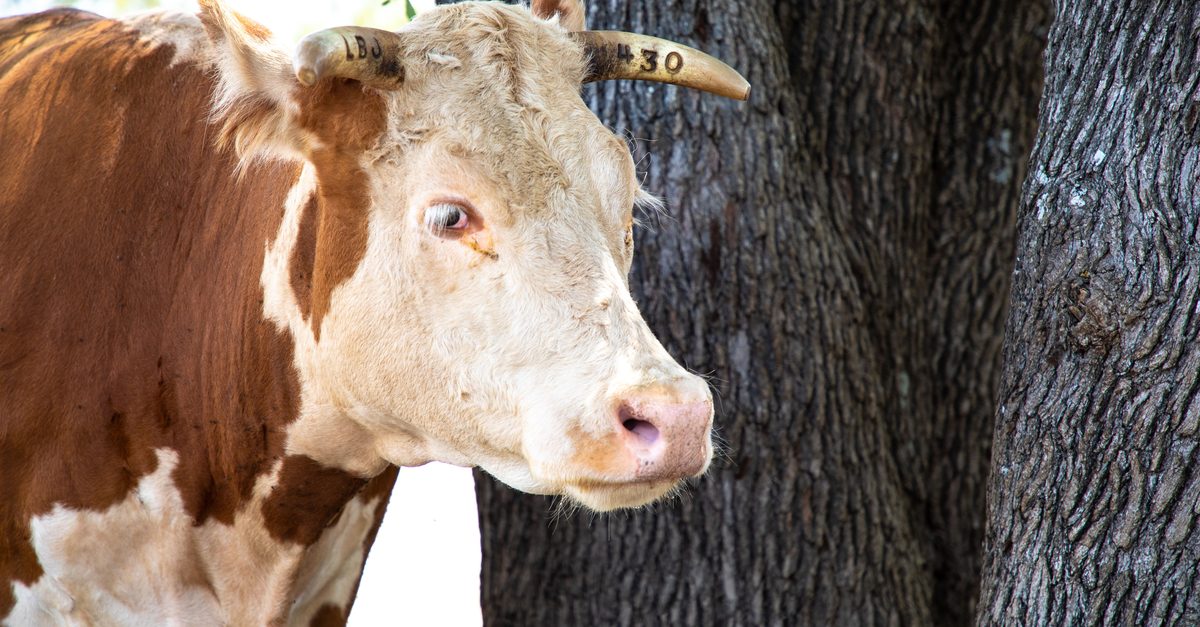
Cattle operations are the most common qualifying use in Brazoria County. The county's improved coastal pastures support stocking rates of approximately 1 animal unit per 3 acres. Landowners must demonstrate active management including rotational grazing, weed control, and herd health practices. Running cattle on unimproved pasture without supplemental feeding or pasture management may not meet the degree of intensity standard.
Rice and Row Crops
Brazoria County has a strong rice-growing tradition supported by the Brazos River bottomlands and alluvial soils. Rice, grain sorghum, soybeans, corn, and cotton are all qualifying row crops. BCAD requires documented production records for crop operations, including planting dates, harvest yields, and input records. Rice farming, in particular, requires significant water management infrastructure and is subject to the county's flood-prone conditions.
Hay Production
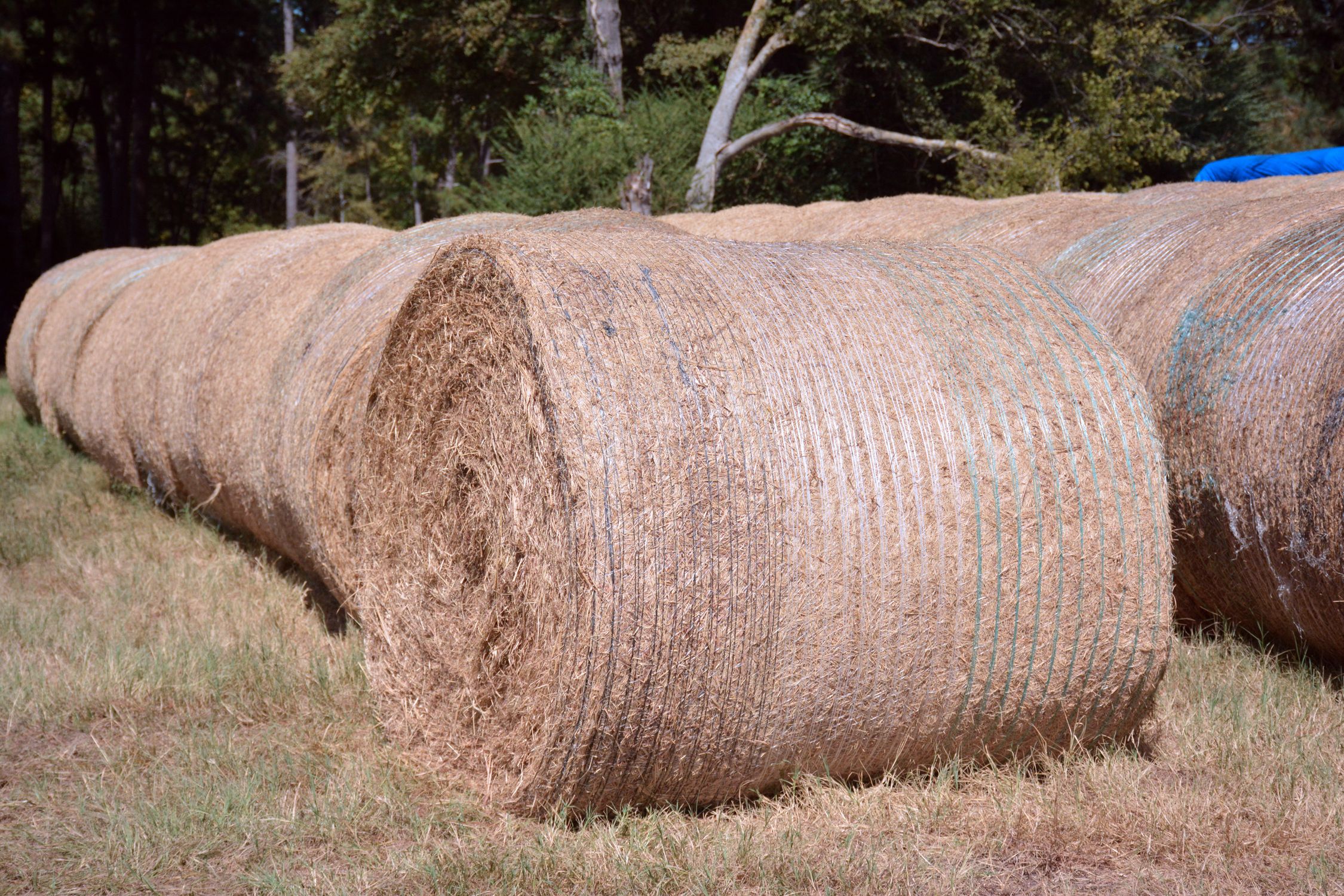
Hay production qualifies when conducted at a commercial intensity. BCAD expects regular cutting schedules -- typically 2 to 3 cuttings per year on improved coastal fields -- along with fertilization, weed control, and baling records. A hay operation on small acreage may qualify if the management practices meet district standards.
Goats and Sheep
Goats and sheep qualify as livestock for agricultural valuation. The county's flat terrain and coastal prairie vegetation support small ruminant operations. Stocking rates for goats and sheep are approximately 6 head per animal unit, making them a viable option for smaller properties.
Beekeeping
Brazoria County has specific beekeeping rules. A minimum of 5 acres is required with at least 6 established colonies. For each additional 2.5 acres beyond the initial 5, one additional colony is required. Honey must be harvested. Registration with the Texas Apiary Inspection Service is voluntary under Texas Agriculture Code 131.045 and costs $35 a year; it is useful supporting evidence but not a filing requirement. The maximum tract size for beekeeping valuation is 20 acres, and that cap comes from Tax Code 23.51(2), not from BCAD.
Aquaculture
Aquaculture and fish farming qualify as agricultural uses in Brazoria County, a distinctive option not available in all Texas counties. This reflects the county's coastal location and history of seafood production. Documentation of stocking, feeding, and harvest practices is required.
Application Process and Deadlines
The application deadline for agricultural valuation in Brazoria County is April 30 of the tax year. This is a firm deadline. Late applications may be accepted up to the date the appraisal review board approves the appraisal records, but approval is not guaranteed for late filers.
Step 1: Obtain the required forms from the BCAD website at brazoriacad.org. You will need the 1-d-1 Agricultural Application and, in most cases, the Agricultural Productivity Questionnaire.
Step 2: Gather documentation of your agricultural operation. This includes livestock purchase records, veterinary receipts, grazing records, fencing and water system documentation for livestock operations. For crop producers, include planting and harvest records, input receipts, and yield data.
Step 3: Complete the agricultural use questionnaire. BCAD provides a specific Ag Productivity Questionnaire that asks about the type of operation, acreage in production, stocking rates or crop yields, and management practices. Be thorough and accurate.
Step 4: Submit the application and supporting documentation to BCAD. Applications can be submitted in person, by mail, or through the BCAD online portal. The appraisal district address is 500 N. Chenango, Angleton, TX 77515. You can reach the agricultural department at (979) 849-7792.
Step 5: If approved, the agricultural valuation applies to the current tax year. BCAD may schedule a site visit to verify the operation, particularly for new applications or properties on smaller tracts.
Step 6: Maintain the agricultural use continuously. BCAD monitors compliance and may request updated information periodically. If the use changes or the land ceases to be devoted principally to agriculture, the rollback penalty may apply.
INFO
The first year is the hardest. BCAD will review new applications carefully, especially on tracts under 20 acres. Calling the agricultural department before submitting your application can help you understand exactly what documentation is expected for your specific operation type.
Wildlife Management as an Alternative
Landowners who already have an agricultural exemption on their property may convert to wildlife management use without losing the productivity valuation. Brazoria County has abundant coastal and riparian habitat that supports strong wildlife management options.
Wildlife management requires a minimum of 10 acres and mandates at least 3 of 7 approved management practices, which include habitat control, erosion control, predator management, providing supplemental water, providing supplemental food, providing shelter, and conducting census counts.
The property must have been previously qualified for agricultural use before converting to wildlife management. This makes wildlife management a viable option for landowners who want to shift from active farming or ranching to conservation-focused land stewardship while maintaining the tax benefit.
Brazoria County's bayou and wetland systems support migratory bird populations, white-tailed deer, and feral hogs, making wildlife management applications particularly relevant for properties near the Brazos River, San Bernard River, and coastal marshes.
Rollback Penalties and Compliance
The rollback penalty is the primary enforcement mechanism for the agricultural exemption. If the use of the land changes to a non-agricultural use, the appraisal district imposes a rollback tax equal to the difference between taxes paid under agricultural valuation and what would have been paid at market value, for each of the three years preceding the year of the change. The change-of-use year itself is not included, and no interest is added to the penalty.
The three-year window is statewide, not a Brazoria rule. HB 1743 cut the lookback from five years to three effective September 1, 2019, and HB 3833 deleted the interest provision from Tax Code 23.55(a) effective June 15, 2021. This still matters a great deal given the county's growth pressure from the Houston metro area. A landowner who sells agricultural land to a developer faces a real rollback liability that both the seller and buyer should understand before a transaction closes.
Brazoria County's flood-prone nature adds a compliance consideration. If flooding prevents agricultural use during a given year, BCAD expects landowners to document the agriculturally necessary idle period. Without documentation, consecutive idle years could trigger a rollback audit. The county's local insights note that documenting flood-related idle years is one of the most common mistakes landowners make.
Conservation Easements in Brazoria County
Brazoria County is an active area for conservation easements, which offer a separate but complementary approach to reducing tax burden. While the agricultural exemption reduces annual property taxes, a conservation easement can provide a federal income tax deduction based on the value of the donated development rights.
The county's coastal prairie and wetland ecosystems have high conservation value, and several land trusts operate in the region. The Texas Farm and Ranch Lands Conservation Program (TFRLCP) also provides funding for conservation easements on working agricultural land.
For landowners with 100 acres or more in Brazoria County, combining an agricultural exemption with a conservation easement can provide both annual property tax savings and a substantial one-time federal tax deduction. The two mechanisms work together rather than in conflict.
Estimated Savings for Brazoria County Landowners
The average agricultural productivity value in Brazoria County is $288 per acre, compared to an average market value of $10,001 per acre. With an average tax rate of 1.75 percent, the annual savings are substantial.
A 20-acre property at market value would have a tax of approximately $3,500 on the land alone. Under agricultural valuation, that drops to roughly $101. A 100-acre ranch sees savings from approximately $17,500 to about $504 on the land portion.
These savings compound over time. In a county where land values continue to rise with Houston metro expansion, the gap between market and productivity values grows wider each year. The ag exemption protects landowners from being taxed out of their agricultural heritage.
Contact Information
Brazoria Central Appraisal District 500 N. Chenango Angleton, TX 77515 Phone: (979) 849-7792 Website: brazoriacad.org
The agricultural department staff can answer specific questions about your property's eligibility and the documentation required for your particular operation type. BCAD also provides an Agricultural Requirements PDF and a detailed Agricultural Productivity Questionnaire on their website for reference before you file.
Sources
This reflects Texas law as of August 2026, including HB 1743 (86th Legislature, effective September 1, 2019), which cut the open-space rollback from five years to three, and HB 3833 (87th Legislature, effective June 15, 2021), which removed rollback interest entirely.
- Texas Tax Code Section 23.51 - qualified open-space land, degree of intensity, and the 5 to 20 acre beekeeping band
- Texas Tax Code Section 23.54 - application requirements; the statute says "before May 1," which makes April 30 the last valid day
- Texas Tax Code Section 23.55 - additional tax on change of use, three preceding years, no interest
- HB 1743 (86th Legislature) and HB 3833 (87th Legislature)
- Manual for the Appraisal of Agricultural Land - the Comptroller's appraisal methodology
- Form 50-129 - the 1-d-1 open-space application
Verified August 6, 2026. The statutory rules above are statewide. Minimum acreage, hive schedules, stocking rates, and productivity values are local standards set by Brazoria CAD and change year to year, so confirm current figures with the district before filing.