Hays County Ag Exemption: 1-d-1 Valuation for Hill Country Land
Learn how to get an ag exemption in Hays County, Texas. Covers Hays CAD livestock and beekeeping standards, minimum acreage, and the 1-d-1 application process.
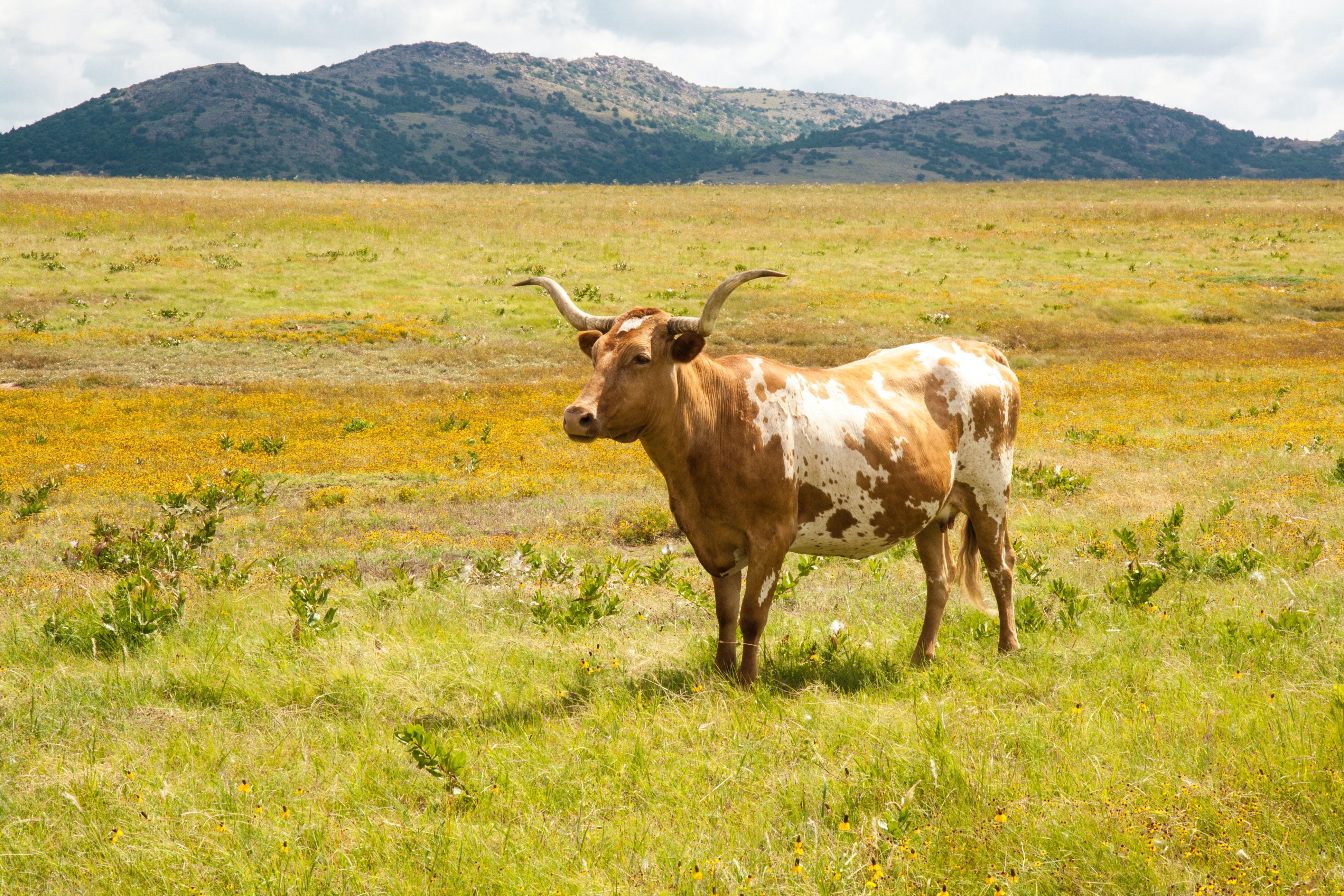
Getting an agricultural exemption in Hays County requires navigating the standards of the Hays Central Appraisal District (Hays CAD) for a county that bridges two worlds. The eastern edge along the I-35 corridor from Buda through Kyle to San Marcos is among the fastest-growing areas in the country, while the western half toward Dripping Springs and Wimberley remains Hill Country ranchland of limestone soils, live oaks, and clear-running creeks.
This geography matters for your 1-d-1 application. A 10-acre tract in the blackland soils east of I-35 near Uhland has different agricultural potential than a similarly sized tract on the thin-soiled Edwards Plateau west of Dripping Springs. Hays CAD evaluates every application against degree of intensity standards that account for these differences through field inspections and published guidelines from the Agricultural Advisory Board.
If you own 10 or more acres anywhere in Hays County, agricultural valuation can reduce your property tax burden by 70 to 90 percent on qualifying land. With population growth of 53 percent over the past decade driving land values higher, the gap between market value and agricultural productivity value has never been wider. This guide covers what Hays CAD requires, how degree of intensity standards work, what qualifies as agricultural use, and how to file your 1-d-1 application before the April 30 deadline.
How Does the Hays County Ag Exemption Work?
The agricultural exemption in Texas is a special method of property appraisal under Article 8, Section 1-d-1 of the Texas Constitution. Under this provision, qualified open-space land is valued based on its agricultural productivity rather than its full market value. For Hays County landowners, this distinction is especially important because the Austin-San Antonio corridor's explosive growth has pushed land values to levels that bear no relation to agricultural income.
Hays CAD uses productivity values calculated by the Texas Comptroller's office, adjusted for local conditions. The classifications include native pasture, improved pasture, dry cropland, and waste land. The appraised productivity value for native pasture in the Edwards Plateau region has historically been in the range of $100 to $150 per acre, compared to market values that can exceed $20,000 per acre for larger tracts or $50,000-plus per acre for smaller parcels with development potential.
To qualify for 1-d-1 valuation, your land must satisfy three criteria. First, the land must be devoted principally to a qualifying agricultural use. Livestock grazing, hay production, crop cultivation, beekeeping, and wildlife management all qualify. Second, your agricultural use must meet the degree of intensity generally accepted in Hays County. Hays CAD establishes these standards with input from the Agricultural Advisory Board, which evaluates what a prudent manager in the Edwards Plateau region would do on land of similar size and type. Third, you must file a completed 1-d-1 application with Hays CAD by April 30 of the current tax year.
Hays CAD also provides the older 1-d appraisal method, which is more restrictive. Under 1-d, the owner must be an individual, agriculture must be the primary source of income, and the land must have been in agricultural use for at least three years. Most Hays County landowners use the 1-d-1 method because it does not require agriculture to be the primary business.
What Are the Minimum Acreage Requirements in Hays County?
Hays County requires a minimum of 10 acres to qualify for agricultural valuation. This minimum applies across most agricultural use types, including livestock grazing, hay production, and row crops. For beekeeping, the minimum is 5 acres with a specific colony density requirement.
The 10-acre minimum is standard across the Hill Country, but Hays CAD evaluates each application based on the specific agricultural use and the characteristics of the individual tract. A 10-acre property in the deeper soils near the San Marcos River has a much higher carrying capacity than a steep 10-acre tract near Wimberley. Hays CAD field inspectors account for these differences during site visits and factor them into degree of intensity determinations.
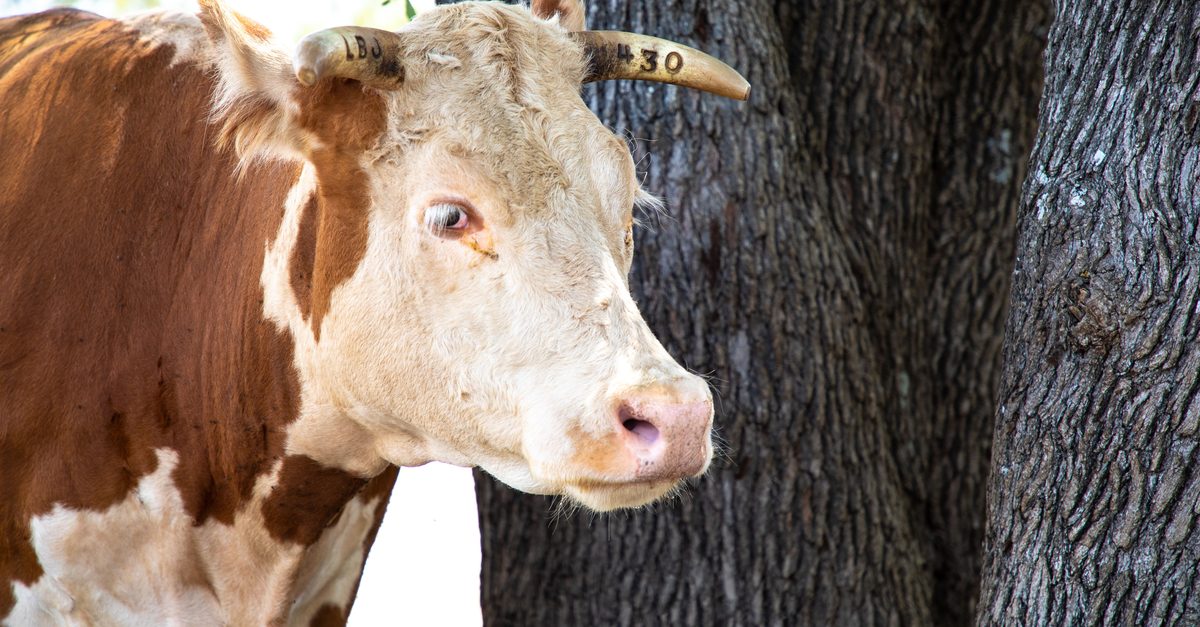
For livestock grazing, which is the most common agricultural use in Hays County, the appraisal district evaluates animal unit thresholds. One animal unit equals one mature cow and calf, one horse, five sheep, or six goats. The specific animal unit minimum depends on the carrying capacity of the individual property, but Hays CAD generally expects to see active livestock management consistent with the Edwards Plateau region.
For smaller acreage tracts that include a homesite, Hays CAD generally treats the homesite as a separate land segment under the homesite cap provisions of the Texas Property Tax Code. Only the portion of land actually devoted to agricultural use receives the productivity valuation. The homesite and any non-qualifying acreage such as roads, barns, or recreational areas are appraised at market value.
Livestock Requirements for Hays County
Hays CAD evaluates livestock operations using the animal unit method, which standardizes different types of livestock into comparable grazing units. Your land must be stocked at a level consistent with what a prudent manager in the Edwards Plateau region would maintain. This means not just owning livestock, but managing them with proper fencing, rotational grazing, water access, and documented health care.
The animal unit equivalents used by Hays CAD follow state standard practice. One mature cow with calf counts as 1.0 animal unit. One horse counts as 1.0 animal unit. Five sheep or six goats count as 1.0 animal unit. A bull counts as 1.25 animal units, and a weaned yearling counts as 0.75 animal units. For exotic livestock such as axis deer, Hays CAD may assign alternative animal unit equivalents.
Hays County's Hill Country terrain is particularly well-suited to goats and sheep, which thrive on the brushy, limestone-based landscape that covers much of the western part of the county. For native pasture typical of the Edwards Plateau region, carrying capacity is generally 10 to 15 acres per animal unit. For improved pasture with coastal bermuda grass or kleingrass in the river bottom areas, carrying capacity improves to 5 to 8 acres per animal unit. These carrying capacity estimates directly inform whether your stocking rate meets the degree of intensity standard.
For goat operations, a 10-acre property with brush management and improved pasture could support 10 to 15 goats. Spanish and Boer goats are both common in Hays County and are well-adapted to the cedar brakes and live oak mottes. Goats require stout fencing, predator control, and regular health management including hoof trimming and mineral supplementation.
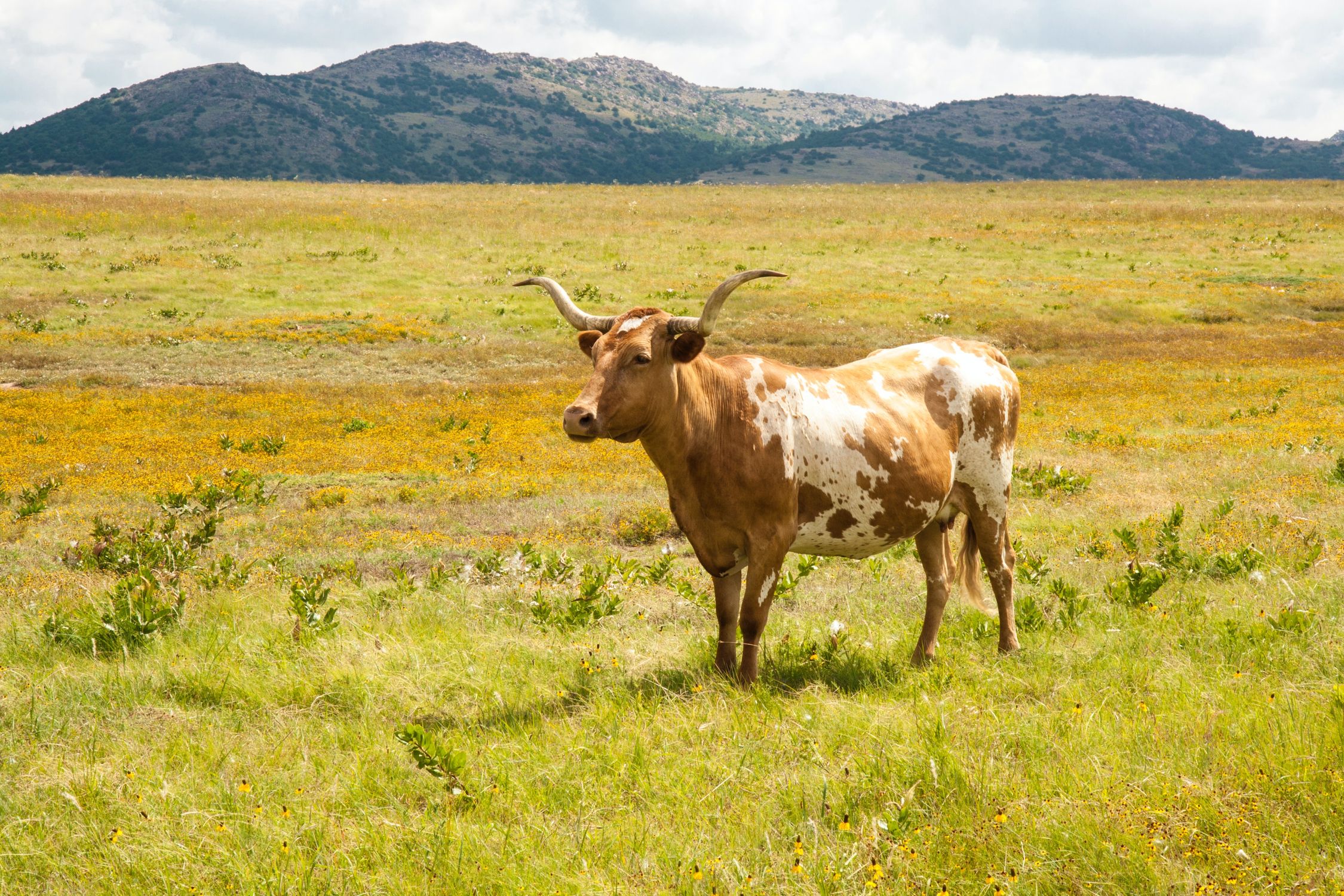
Cattle operations remain the traditional backbone of Hays County agriculture. A 20-acre tract with native pasture can typically support 2 to 3 animal units. Hays CAD recognizes that smaller Hill Country tracts cannot support the same density as Blackland Prairie pastures, and its animal unit standards account for regional differences.
Beekeeping as a Qualifying Agricultural Use in Hays County
Beekeeping is an increasingly popular path to agricultural valuation in Hays County, particularly on smaller tracts in the Dripping Springs and Wimberley areas where steep terrain and shallow soils make livestock grazing or hay production impractical. Hays CAD recognizes beekeeping as a qualifying agricultural use with specific published standards.
The minimum requirement is 6 beehive colonies on the first 5 acres. For properties between 5 and 20 acres, the intensity standard requires 6 colonies for the first 5 acres with 1 additional colony per 2.5 acres above that baseline. A 10-acre property would need approximately 8 hives. Hays CAD does not typically approve beekeeping as the sole qualifying use on more than 20 acres under this pathway, though larger properties may combine beekeeping with other agricultural uses.
Hays CAD requires that hives be actively managed with regular inspection schedules every two to three weeks during the active season, varroa mite monitoring and treatment, disease prevention, honey harvesting, and winter feeding. Documentation is critical for approval: Texas Apiary Inspection Service (TAIS) registration, equipment receipts, honey extraction records, and a written apiary management plan should all be maintained.
The Hill Country west of I-35 offers excellent bee forage. Hays County's diverse native flora provides nectar and pollen sources from March through October, and the area has become a hub for small-scale apiary operations. For landowners with 5 to 10 acres near Dripping Springs who want to maintain their property's rural character while reducing their tax burden, beekeeping is often the most practical path to qualification.
Hay Production and Row Crop Standards
Hay production is a common qualifying agricultural use in the eastern portion of Hays County, where the soils are deeper and the terrain flatter than the western Hill Country. The areas around Uhland, the San Marcos River floodplain, and the eastern edge of the county support coastal bermuda grass and other improved forages.
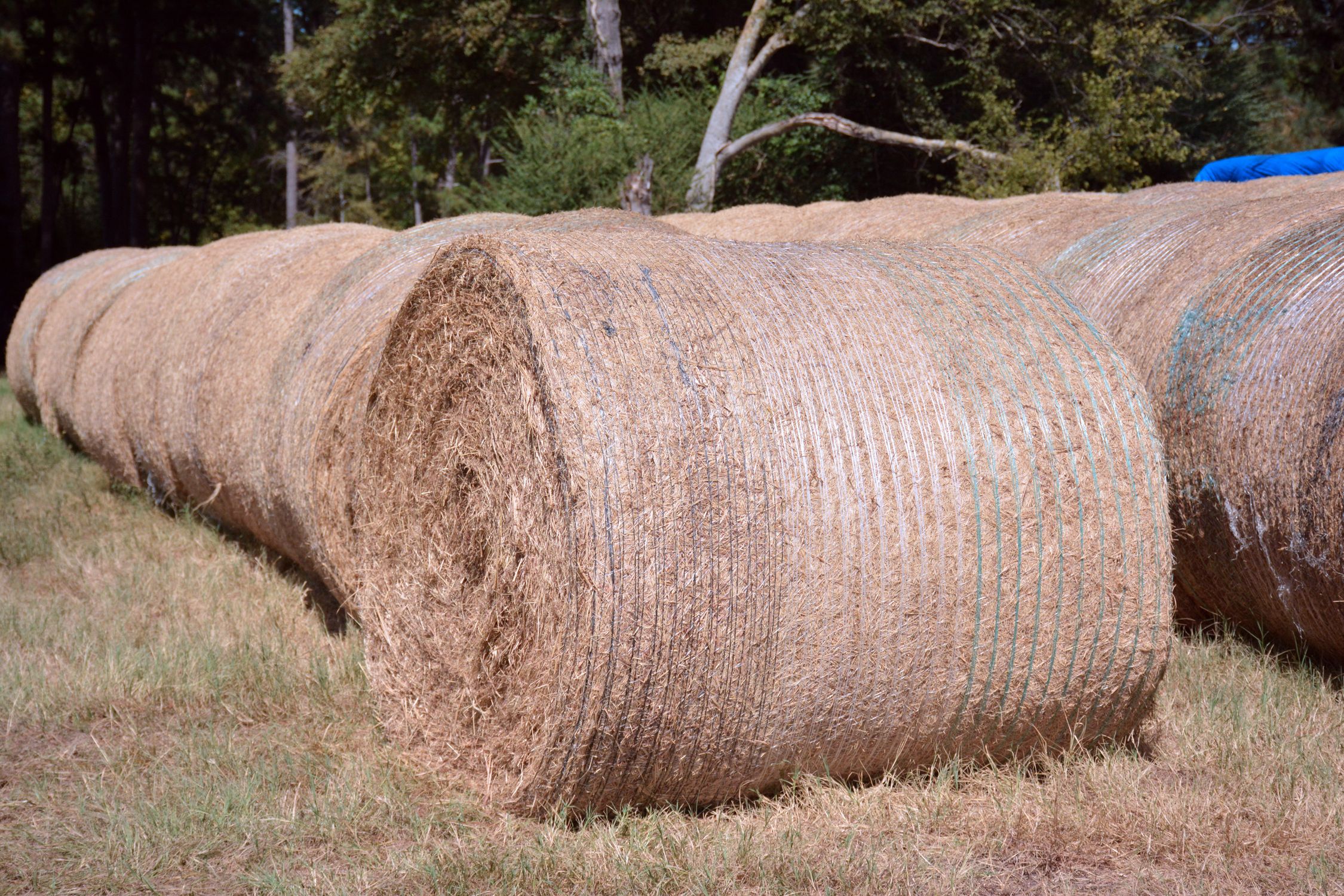
For hay production, Hays CAD typically expects at least 10 acres of land that is actively mowed, baled, and removed for livestock feed or sale. The land must show evidence of regular management including fertilization, weed control, and proper cutting schedules. A single cutting per year is generally not sufficient. Hays CAD looks for at least two cuttings annually and evidence that the hay is being fed to livestock or sold commercially.
For row crop operations in the eastern part of the county, Hays CAD expects evidence of active cultivation including planting records, input expense receipts, and harvest documentation. Corn and grain sorghum are the most common crops where soil depth and irrigation allow, though the acreage devoted to row crops in Hays County has declined as development has converted farmland. The land must be in a regular production cycle consistent with Edwards Plateau standards.
Orchards and vineyards are emerging as qualifying agricultural uses in Hays County, particularly near Driftwood and the warmer microclimates west of San Marcos. Hays CAD recognizes vineyards as a qualifying agricultural use when managed at a commercial scale, with evidence of trellis installation, irrigation systems, pest management, and active pruning programs. The Texas Hill Country American Viticultural Area includes parts of Hays County.
Wildlife Management as a Conversion Option
Wildlife management use is available in Hays County as an alternative method of qualifying for open-space valuation. Under Texas Tax Code Section 23.51, land that previously qualified for 1-d-1 agricultural valuation can be converted to wildlife management use without losing special appraisal status. This is a conversion, not a separate application. Your land must already have agricultural valuation before you can switch to wildlife management.
Hays CAD requires a written wildlife management plan following Texas Parks and Wildlife Department guidelines covering at least three of the seven approved management activities: habitat control, erosion control, predator control, supplemental water, supplemental food, providing shelters, and census counts. Prescribed burning and brush management are ways of performing habitat control, not separate practices, so doing both still counts as one of your three. For the Edwards Plateau in Hays County, habitat control through brush management for cedar and ashe juniper, supplemental water through wildlife guzzlers, and food plots for white-tailed deer are the most common activities.
Wildlife management is a good option for Hays County landowners with 20 or more acres who want to reduce daily management intensity while maintaining their tax benefits. After approval, landowners must submit annual activity reports to Hays CAD demonstrating ongoing compliance with the approved management plan.
How to Apply for the Hays County Ag Exemption
The application process for 1-d-1 agricultural valuation in Hays County is straightforward but requires attention to deadlines and documentation. Start by contacting Hays CAD to obtain the current application form, which is also available for download from hayscad.com. Complete the application with accurate information about your property, the agricultural use you intend to pursue, and the acreage devoted to that use.
Submit the completed application to Hays CAD by April 30 of the current tax year. Late applications may be accepted up to the date the appraisal review board approves the appraisal records, but filing on time avoids complications. Hays CAD will schedule a field inspection of your property to verify the agricultural use and assess whether it meets the degree of intensity standard. The inspector will look for evidence of active management: fencing, livestock, hay equipment, beehives, or other signs depending on your chosen use.
After the inspection, Hays CAD will notify you of the approval or denial. If approved, the agricultural valuation will apply beginning with the current tax year, and your property taxes will be calculated using the productivity value rather than market value. If denied, you have the right to appeal to the Hays County Appraisal Review Board.
Hays County's population has grown 210 percent since 2000, and the pressure on rural land values is intense. Land that was undeveloped ranchland twenty years ago now sits in the path of master-planned communities in Kyle and Buda. The agricultural exemption remains the most powerful tool for landowners who want to hold onto their property in the face of rising taxes.
For properties with 100 or more acres in western Hays County, conservation easements offer an additional layer of tax strategy, providing federal income tax deductions while preserving the land from future development pressure. A conversation with a qualified advisor can help you understand whether a conservation easement makes sense alongside your agricultural valuation.
If you need help navigating the Hays CAD application process or evaluating whether your property qualifies, consider reaching out to a consultant who specializes in Texas property tax exemptions.
Sources
This reflects Texas law as of August 2026, including HB 1743 (86th Legislature, effective September 1, 2019), which cut the open-space rollback from five years to three, and HB 3833 (87th Legislature, effective June 15, 2021), which removed rollback interest entirely.
- Texas Tax Code Section 23.51 - qualified open-space land, degree of intensity, and the 5 to 20 acre beekeeping band
- Texas Tax Code Section 23.54 - application requirements; the statute says "before May 1," which makes April 30 the last valid day
- Texas Tax Code Section 23.55 - additional tax on change of use, three preceding years, no interest
- HB 1743 (86th Legislature) and HB 3833 (87th Legislature)
- Manual for the Appraisal of Agricultural Land - the Comptroller's appraisal methodology
- Form 50-129 - the 1-d-1 open-space application
Verified August 6, 2026. The statutory rules above are statewide. Minimum acreage, hive schedules, stocking rates, and productivity values are local standards set by Hays CAD and change year to year, so confirm current figures with the district before filing.