Ellis County Ag Exemption: 1-d-1 Valuation for DFW-Area Land
Learn how to get an ag exemption in Ellis County, Texas. Covers Ellis CAD minimum acreage, livestock intensity, beekeeping, and the 1-d-1 application process.

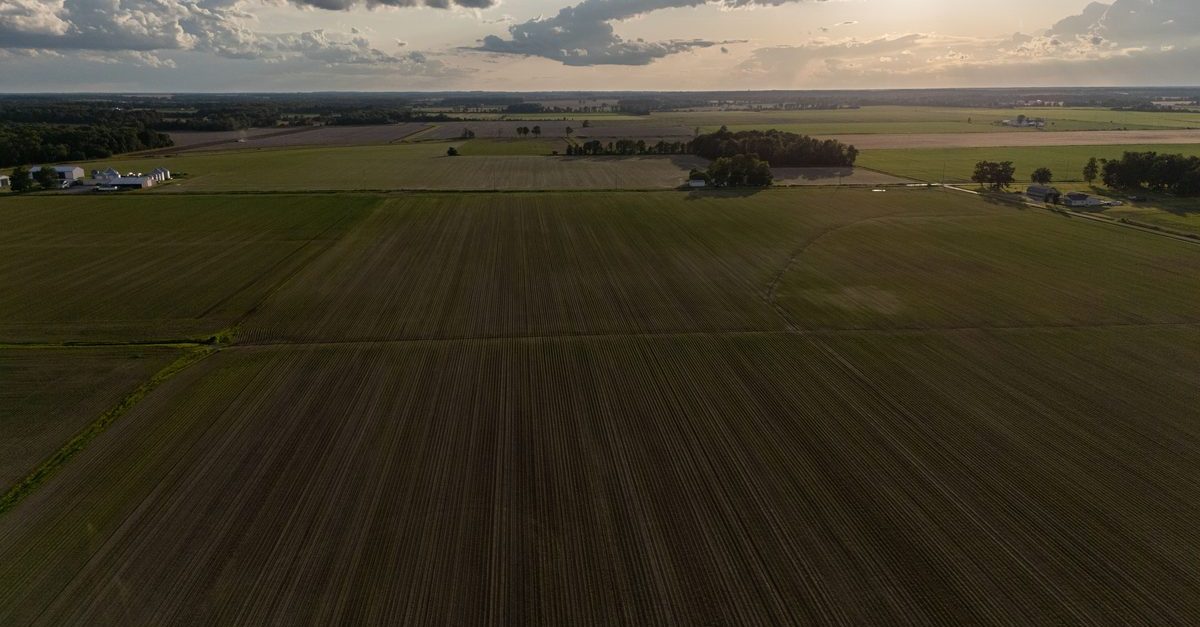
Getting an agricultural exemption in Ellis County requires understanding the standards of the Ellis Central Appraisal District (Ellis CAD) for a county that sits at the crossroads of the Dallas-Fort Worth metroplex and the rich agricultural Blackland Prairie. Ellis County stretches from the suburban outskirts of Dallas southward through Waxahachie, Ennis, and Midlothian, then continues into the rolling farm and ranch country that extends toward the Navarro County line.
This geography matters for your 1-d-1 application because Ellis County contains some of the most productive agricultural soils in Texas. The Blackland Prairie's dark, calcareous clays have supported cotton, corn, and grain sorghum operations for over a century, while the improved pastures along the Trinity River bottoms provide excellent grazing for cattle operations. Property in the northern part of the county near Glenn Heights and Ovilla faces intense development pressure, while tracts south of Waxahachie and around Italy retain their agricultural character.
If you own 10 or more acres anywhere in Ellis County, agricultural valuation can reduce your property tax burden by 70 to 90 percent on qualifying land. With Ellis County experiencing population growth above 25 percent over the past decade as the DFW metroplex expands southward, land values have risen sharply and the gap between market value and agricultural productivity value has never been wider. This guide covers what Ellis CAD requires, how degree of intensity standards work, what qualifies as agricultural use, and how to file your 1-d-1 application before the April 30 deadline.
How Does the Ellis County Ag Exemption Work?
The agricultural exemption in Texas is a special method of property appraisal under Article 8, Section 1-d-1 of the Texas Constitution. Under this provision, qualified open-space land is valued based on its agricultural productivity rather than its full market value. For Ellis County landowners, this distinction is especially important because the DFW metroplex expansion has pushed land values to levels that bear no relation to agricultural income.
Ellis CAD uses productivity values calculated by the Texas Comptroller's office, adjusted for local conditions in the Blackland Prairie ecoregion. The classifications include native pasture, improved pasture, dry cropland, and waste land. The appraised productivity value for cropland in the Blackland Prairie has historically been in the range of $150 to $250 per acre, compared to market values that can exceed $15,000 per acre for larger tracts or $30,000-plus per acre for smaller parcels near Waxahachie with development potential.
To qualify for 1-d-1 valuation in Ellis County, your land must satisfy three criteria. First, the land must be devoted principally to a qualifying agricultural use. Livestock grazing, crop production, hay production, beekeeping, timber, and wildlife management all qualify. Second, your agricultural use must meet the degree of intensity generally accepted in Ellis County. Ellis CAD establishes these standards for the Blackland Prairie, evaluating what a prudent manager would do on land of similar size and type. Third, you must file a completed 1-d-1 application with Ellis CAD by April 30 of the current tax year.
Ellis CAD also provides the older 1-d appraisal method, which is more restrictive. Under 1-d, the owner must be an individual, agriculture must be the primary source of income, and the land must have been in agricultural use for at least three years. Most Ellis County landowners use the 1-d-1 method because it does not require agriculture to be the primary business.
What Are the Minimum Acreage Requirements in Ellis County?
Ellis County requires a minimum of 10 acres to qualify for agricultural valuation. This minimum applies across most agricultural use types, including livestock grazing, hay production, and crop cultivation. For beekeeping, the minimum is 5 acres with a specific colony density requirement of at least 6 hives.
The 10-acre minimum is standard across the Blackland Prairie counties, but Ellis CAD evaluates each application based on the specific agricultural use and the characteristics of the individual tract. A 10-acre property in the river bottom soils along the Trinity River has much higher carrying capacity than a similarly sized tract in the thinner soils near the county's western edge. Ellis CAD field inspectors account for these differences during site visits and factor them into degree of intensity determinations.
For livestock grazing, the appraisal district evaluates animal unit thresholds. One animal unit equals one mature cow and calf, one horse, five sheep, or six goats. The specific animal unit minimum depends on the carrying capacity of the individual property, but Ellis CAD generally expects to see active livestock management consistent with the Blackland Prairie region. Improved pasture in Ellis County typically supports 1 animal unit per 5 to 8 acres, while native pasture supports 1 animal unit per 8 to 12 acres.
For smaller acreage tracts that include a homesite, Ellis CAD generally treats the homesite as a separate land segment under the homesite cap provisions of the Texas Property Tax Code. Only the portion of land actually devoted to agricultural use receives the productivity valuation. The homesite and any non-qualifying acreage such as roads, barns, or recreational areas are appraised at market value.
Livestock Requirements for Ellis County
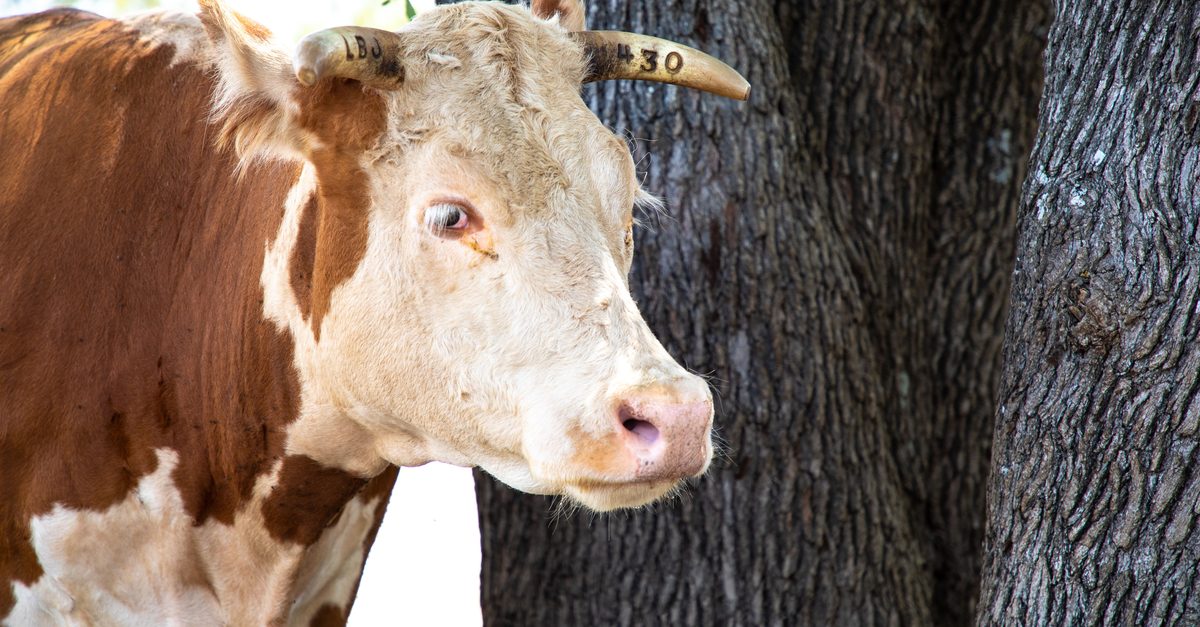
Ellis CAD evaluates livestock operations using the animal unit method, which standardizes different types of livestock into comparable grazing units. Your land must be stocked at a level consistent with what a prudent manager in the Blackland Prairie would maintain. This means not just owning livestock, but managing them with proper fencing, rotational grazing, water access, and documented health care.
The animal unit equivalents used by Ellis CAD follow state standard practice. One mature cow with calf counts as 1.0 animal unit. One horse counts as 1.0 animal unit. Five sheep or six goats count as 1.0 animal unit. A bull counts as 1.25 animal units, and a weaned yearling counts as 0.75 animal units. These equivalents allow Ellis CAD to compare different types of livestock operations against standardized intensity benchmarks.
Ellis County's Blackland Prairie soils are particularly well-suited for cattle grazing on improved pasture. Coastal bermuda grass and kleingrass thrive in the dark clay soils, providing excellent forage for cow-calf operations that are the most common livestock enterprise in the county. For improved pasture typical of the Blackland Prairie, carrying capacity is generally 5 to 8 acres per animal unit. For native pasture with bluestem and grama grasses, carrying capacity drops to 8 to 12 acres per animal unit.
Horses also qualify as livestock in Ellis County, but Ellis CAD applies similar intensity standards. A horse operation on 10 acres requires active pasture management that demonstrates a degree of intensity comparable to cattle grazing. Many Ellis County landowners combine horses with hay production on the same tract to meet intensity standards, using the horse manure for fertilizer and the hay to supplement winter feeding.
Crop and Hay Production in Ellis County
Row crop production is one of the most established agricultural uses in Ellis County. The Blackland Prairie's deep clay soils have supported cotton, corn, and grain sorghum production for generations. Ellis CAD recognizes crop production as a qualifying agricultural use, but requires evidence of active cultivation, documented inputs, and harvest records.
Cotton was historically the most important row crop in Ellis County, and it remains a significant agricultural use in the southern part of the county near Ennis and Italy. Corn and grain sorghum are also common, particularly on the larger tracts that have not been subdivided for residential development. For crop production to meet Ellis CAD's degree of intensity standard, you must show a consistent history of planting, cultivation, and harvest. Inactive cropland that has not been farmed in several years may not qualify without evidence of resumed agricultural activity.
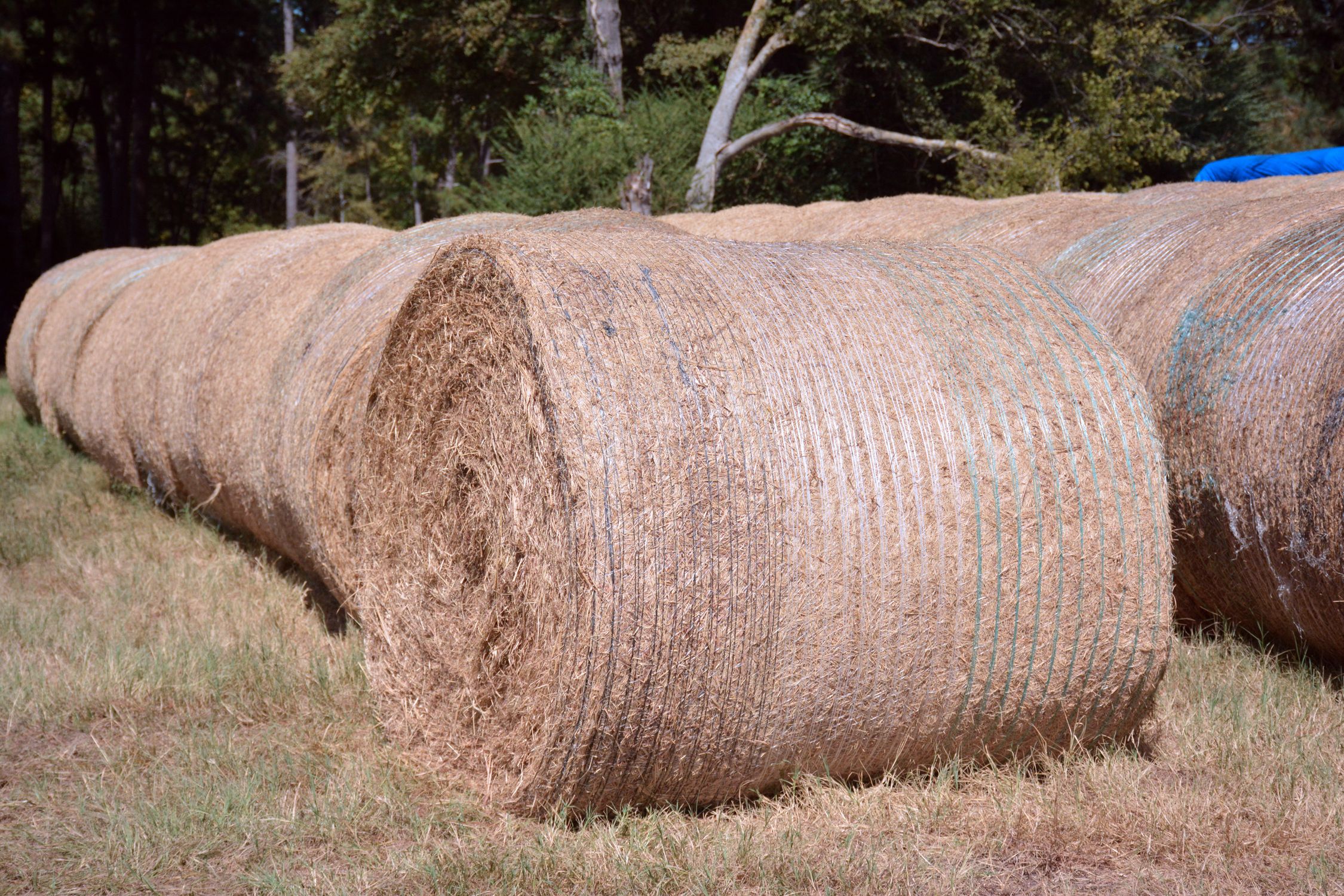
Hay production is the most accessible agricultural use for smaller landowners in Ellis County. Coastal bermuda grass is the dominant hay variety, prized for its high protein content and drought tolerance. A well-managed coastal bermuda stand can produce three to four cuttings per year in the Blackland Prairie climate, with yields of 4 to 6 tons per acre annually. Ellis CAD expects to see evidence of hay cutting and baling activity, including records of the number of bales produced and the dates of each cutting.
For landowners with properties between 10 and 20 acres who do not want to manage livestock, hay production is often the most practical route to agricultural valuation. You can contract with a local hay farmer to cut, bale, and remove the hay, and Ellis CAD generally accepts contract haying as a qualifying agricultural use as long as the activity is documented and the hay is actually harvested and removed from the property.
Beekeeping and Alternative Agricultural Uses
Beekeeping is a qualifying agricultural use in Ellis County and can be a viable path to agricultural valuation on smaller tracts. Ellis CAD allows beekeeping on a minimum of 5 acres with at least 6 hives. This makes beekeeping one of the most accessible options for landowners with smaller acreage or for those who want to combine beekeeping with other agricultural uses.
The Texas Property Tax Code Section 23.51 specifically lists beekeeping as a qualifying agricultural use, and Ellis CAD follows the statutory requirement that the land must be used principally for beekeeping and the hives must be actively maintained. You need to document the number of hives, the dates of installation, and ongoing management activities including hive inspections, honey extraction, and pest management.
Ellis CAD may require evidence that the beekeeping operation meets the degree of intensity standard for the county. This typically means maintaining at least 6 hives on the property and demonstrating active management throughout the year. Hives that are abandoned or not properly maintained will not support a 1-d-1 application.
Other qualifying agricultural uses in Ellis County include orchards and vineyards, which are growing in popularity as the local food movement expands. Pecan orchards are the most common, with Ellis County's native pecan groves along the Trinity River floodplain providing a natural advantage. Vineyards are less common but increasing, particularly on the well-drained hillsides near the Waxahachie area.
Timber Exemption in Ellis County
Timber production is a qualifying agricultural use in Ellis County, though the county's position in the Blackland Prairie means that extensive timber operations are less common here than in East Texas. However, bottomland hardwood forests along the Trinity River and its tributaries can qualify for timber valuation if they are actively managed for commercial timber production.
The timber exemption in Ellis County follows the same 1-d-1 framework as agricultural valuation. You must file a separate 1-d-1 application designating the land as timber production, and the timber must be managed under a written management plan. The Texas Forestry Association and Texas A&M Forest Service offer guidance for landowners developing timber management plans for Blackland Prairie bottomlands.
The most common timber species in Ellis County include post oak, blackjack oak, green ash, cedar elm, and pecan in the bottomlands. Timber valuation is typically more appropriate for larger tracts in the southern and eastern portions of the county near the Navarro County line, where the land transitions from Blackland Prairie to the post oak savanna.
How to File Your Ellis County 1-d-1 Application
Filing a 1-d-1 application with Ellis CAD requires completing Form 50-129, the Application for 1-d-1 (Open-Space) Agricultural Use Appraisal. This form is available from the Texas Comptroller's website or directly from the Ellis CAD office. The completed form must be filed with Ellis CAD by April 30 of the tax year for which you are seeking agricultural valuation.
You can contact Ellis CAD at (972) 937-3552 or visit their office in Waxahachie. The Ellis CAD website at www.elliscad.com provides forms and information about filing requirements. Your application must include a legal description of the property, a description of the agricultural use, and evidence that the land has been in qualifying agricultural use for at least 5 of the preceding 7 years.
If you miss the April 30 deadline, Ellis CAD may accept a late application until the Appraisal Review Board approves the appraisal records for the year. Late applications are subject to penalty and the approval is not guaranteed. Filing by the deadline is strongly recommended.
After your initial application is approved, you do not need to reapply each year unless your agricultural use changes or the property is sold. However, you should maintain records of your ongoing agricultural activities to demonstrate continued compliance with Ellis CAD's intensity standards. Ellis CAD may conduct periodic field inspections to verify that the land remains in qualifying agricultural use.
Ellis County Conservation Easement Options
For large landowners in Ellis County, conservation easements offer an additional path to tax savings beyond the 1-d-1 agricultural valuation. A conservation easement is a voluntary legal agreement that permanently restricts development on your land, and a qualified donation generates a federal charitable deduction equal to the full appraised value of the easement. What is capped is how much of that deduction you can use in a given year: generally 50 percent of adjusted gross income, or 100 percent for qualified farmers and ranchers, with a 15-year carryforward for the unused portion.
The Texas Farm and Ranch Lands Conservation Program (TFRLCP) is particularly relevant for Ellis County landowners who want to protect their agricultural land from development pressure. TFRLCP purchases conservation easements on productive agricultural land, providing cash payments to landowners in exchange for permanent development restrictions. With Ellis County experiencing rapid growth from the DFW metroplex, TFRLCP has identified the county as a priority area for conservation.
A conservation easement can be combined with a 1-d-1 agricultural valuation. The land continues to be appraised at its agricultural productivity value as long as it remains in qualifying agricultural use, and the conservation easement provides additional federal tax benefits. This combination is most valuable for landowners with 100 or more acres who want to ensure their land remains agricultural permanently while maximizing tax savings.
Consulting with a conservation easement attorney or appraiser who understands the Ellis County market is essential before pursuing this option. The IRS has strict requirements for conservation easement donations, and working with experienced professionals ensures that your easement meets all legal and tax compliance standards.
Sources
This reflects Texas law as of August 2026, including HB 1743 (86th Legislature, effective September 1, 2019), which cut the open-space rollback from five years to three, and HB 3833 (87th Legislature, effective June 15, 2021), which removed rollback interest entirely.
- Texas Tax Code Section 23.51 - qualified open-space land, degree of intensity, and the 5 to 20 acre beekeeping band
- Texas Tax Code Section 23.54 - application requirements; the statute says "before May 1," which makes April 30 the last valid day
- Texas Tax Code Section 23.55 - additional tax on change of use, three preceding years, no interest
- HB 1743 (86th Legislature) and HB 3833 (87th Legislature)
- Manual for the Appraisal of Agricultural Land - the Comptroller's appraisal methodology
- Form 50-129 - the 1-d-1 open-space application
Verified August 6, 2026. The statutory rules above are statewide. Minimum acreage, hive schedules, stocking rates, and productivity values are local standards set by Ellis CAD and change year to year, so confirm current figures with the district before filing.