Which Animals Qualify for the Texas Ag Exemption?
Complete list of animals that qualify for Texas ag exemption, including cattle, goats, bees, and exotics. Learn minimum requirements for each species.
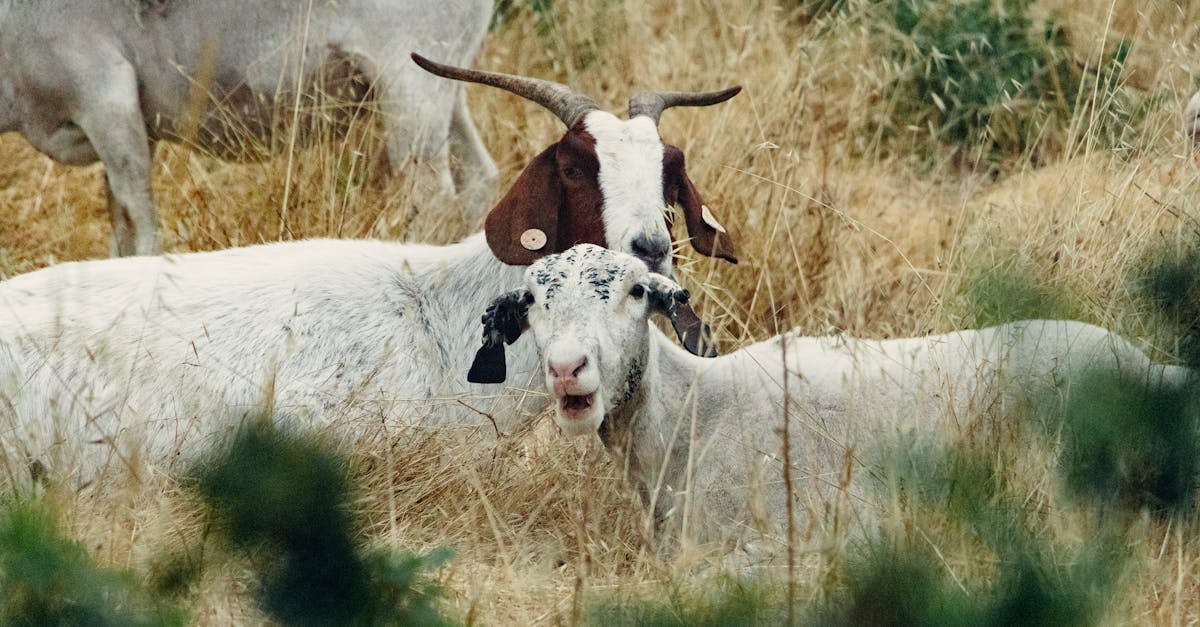
The qualifying animal categories under Texas Tax Code Section 23.51:
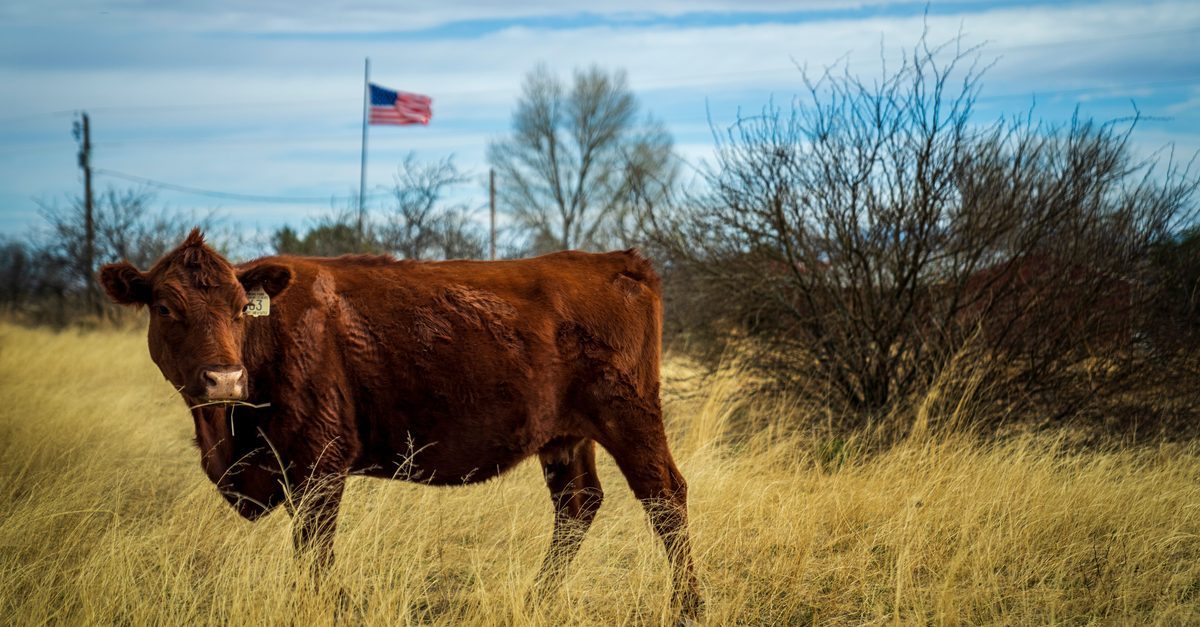
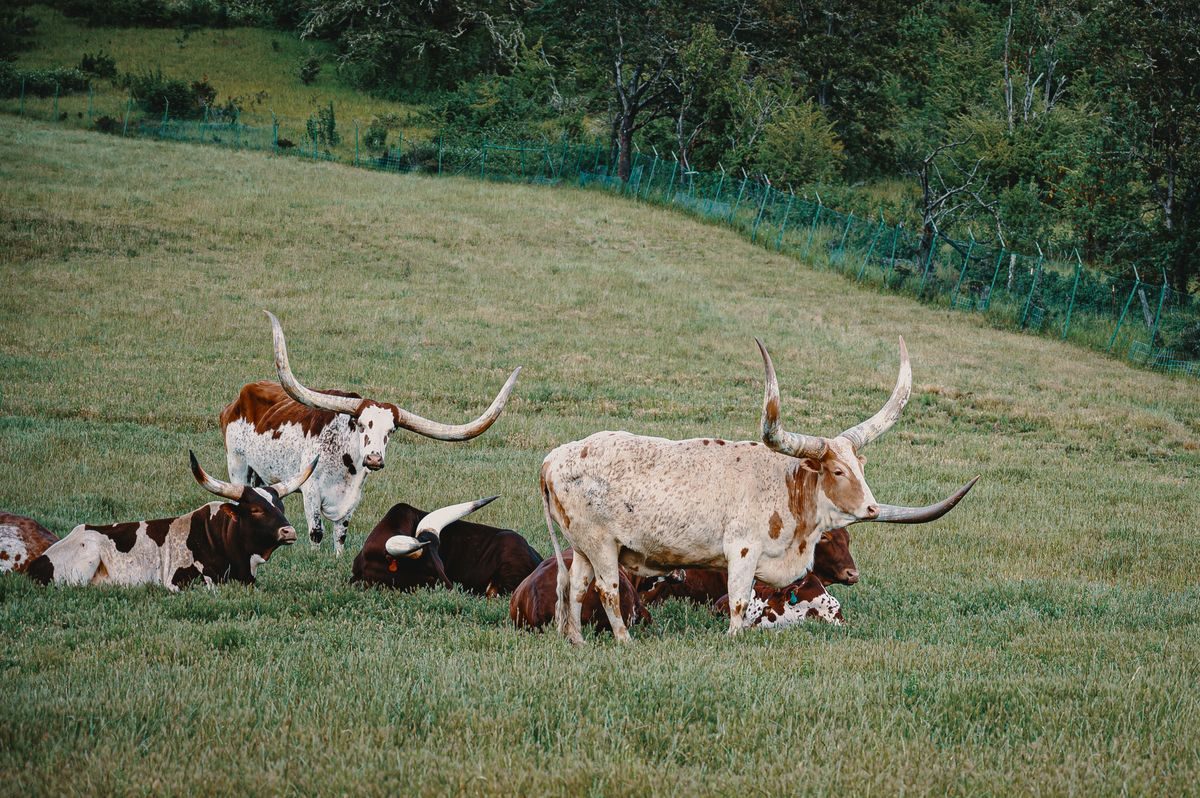
- Cattle, goats, sheep, swine, bison - meat and breeding operations
- Dairy cattle and dairy goats - milk production for sale
- Horses - breeding operations or working ranch livestock (recreation does not qualify)
- Commercial poultry - laying hens, broilers, turkeys raised for sale
- Bees - active managed colonies, minimum 6 hives on 5 to 20 acres under the standard rule
- Exotic livestock - axis deer, blackbuck antelope, fallow deer, emu, ostrich raised for commercial production
The list is the easy half of the question. The hard half is whether the operation runs at the degree of intensity typical for agriculture in the county. Two cattle on 50 acres do not qualify anywhere in Texas. A backyard chicken flock for personal use does not qualify regardless of size. The CAD evaluates whether the operation looks like a genuine agricultural enterprise.
Where the Animal Choice Connects to the County
The right animal for a property depends heavily on terrain, county standards, and which local consultants exist to support the application:
- Hill Country counties (Kendall, Kerr, Gillespie, Llano) tilt toward wildlife management and goat/sheep operations - the terrain is rocky and cedar-heavy, cattle stocking rates run 1 unit per 10-20 acres, and local consultant coverage skews wildlife-management
- Gulf Coast counties (Harris, Fort Bend, Montgomery) have higher rainfall and stronger beekeeping consultant coverage - bees and small-acreage paths work well here
- Blackland Prairie (Collin, Dallas, Travis east of IH-35) is cattle and hay country - higher productivity per acre, lower stocking rates required, dense consultant coverage statewide
The full breakdown of acreage minimums and local consultant counts by county is in How Many Acres for an Ag Exemption in Texas by County.
Where to Go Next
- How many acres by county - acreage minimums, intensity standards, and local consultant density for 20 major counties
- Bee hive count by county - the 6-hive standard plus the stricter Hays (1 per 1.5 acres) and Travis (1 per 2 acres) variants
- Bexar County 2026 application guide - real local providers and the three mistakes BCAD denies most often
- Easiest ag exemption paths - the lower-threshold options for small acreage
- Wildlife management vs. ag exemption - when the wildlife valuation is the better path
What Disqualifies an Operation
Across every animal category, the same disqualifiers apply:
- Recreational use disguised as agriculture (a single horse on rural land, a few cattle as scenery)
- Hobby-scale poultry without sales records
- Empty hive boxes counted as "hives"
- Documentation gaps showing no real management activity
- Failing to meet the county's stocking rate even if the species qualifies
The operation has to function like a real enterprise. It does not have to be profitable, but it does have to be genuine. The CAD evaluates against what other working agricultural producers in the same county actually do.
For documentation expectations and the application walkthrough, see How to File Form 1-D-1.