How Many Bee Hives for an Ag Exemption in Texas?
Most Texas counties require 6 bee hives on 5-20 acres for an ag exemption. Learn the exact hive counts, county variations, and what qualifies as a hive.
Most Texas counties require a minimum of 6 bee hives on 5 to 20 acres to qualify for an agricultural exemption. For properties larger than the base acreage, you'll typically need 1 additional hive for every 2.5 acres beyond the first 5. But county appraisal districts set their own standards, and some are stricter than others.
Here's exactly what you need to know about hive counts, county-by-county variations, and what the appraisal district actually looks for when they inspect your property.
The Standard Rule: 6 Hives on 5-20 Acres
The acreage band comes from the statute, not from county discretion. Texas Tax Code Section 23.51(2) says land used for beekeeping qualifies only if it is "not less than 5 or more than 20 acres." That 20-acre ceiling is a hard cap. There is no tier above it.
Within that band, most counties use this formula:
- First 5 acres: 6 hives minimum
- Each additional 2.5 acres: 1 more hive
- Maximum qualifying acreage: 20 acres, set by statute
Hive counts are set locally, so a district can require more than 6 or scale faster than 1 per 2.5 acres. The acreage cap is the part no district can waive. If you have 50 acres, you can claim beekeeping on up to 20 of them and need a different qualifying activity for the remaining 30. See our beekeeping exemption guide for how districts evaluate a colony.
Counties That Follow the Standard
The majority of Texas counties stick to the 6-hive, 1-per-2.5-acre formula. From our county data:
- Harris County - 6 hives on 5 acres, 1 per 2.5 acres after, 20-acre max
- Dallas County - 6 hives on 5 acres, 1 per 2.5 acres after, 20-acre max
- Collin County - 6 hives on 5 acres, 1 per 2.5 acres after, 20-acre max
- Williamson County - 6 hives on 5 acres, 1 per 2.5 acres after, 20-acre max
- Denton County - 6 hives on 5 acres, 1 per 2.5 acres after, 20-acre max
- Fort Bend County - 6 hives on 5 acres, 1 per 2.5 acres after, 20-acre max
If your county follows the standard rule, the hive count math is simple. Six hives gets you started, and you only add more if you're claiming more than 20 acres under beekeeping valuation.
Counties With Stricter Requirements
Not every county uses the standard formula. Some appraisal districts have adopted tighter rules, and the differences can catch you off guard if you're not prepared.
Hays County: 1 Hive Per 1.5 Acres
Hays County is notably stricter than the state guideline. Instead of 1 additional hive per 2.5 acres, Hays CAD requires 1 additional hive per 1.5 acres above the base. They also require you to submit a landscape and foraging plan along with your application.
For a 15-acre property in Hays County, you'd need roughly 6 base hives plus additional hives calculated at the 1-per-1.5-acre rate. That's a meaningful difference compared to counties following the standard formula.
Travis County: 1 Hive Per 2 Acres
Travis County uses a slightly tighter standard than the default - 1 additional hive per 2 acres instead of 2.5. Travis also requires that homestead acreage be excluded from the qualifying acres. TAIS registration is sometimes described as a Travis requirement, but state law makes it voluntary; treat it as supporting evidence, not a gate.
Kendall County: Dedicated Acreage
Kendall County follows the standard hive count but adds an important detail: the 5 qualifying acres must be entirely dedicated to beekeeping, excluding residential structures and their immediate footprint. If your homestead sits on 2 acres of your 7-acre property, you're working with only 5 qualifying acres.
What Counts as a "Hive"?
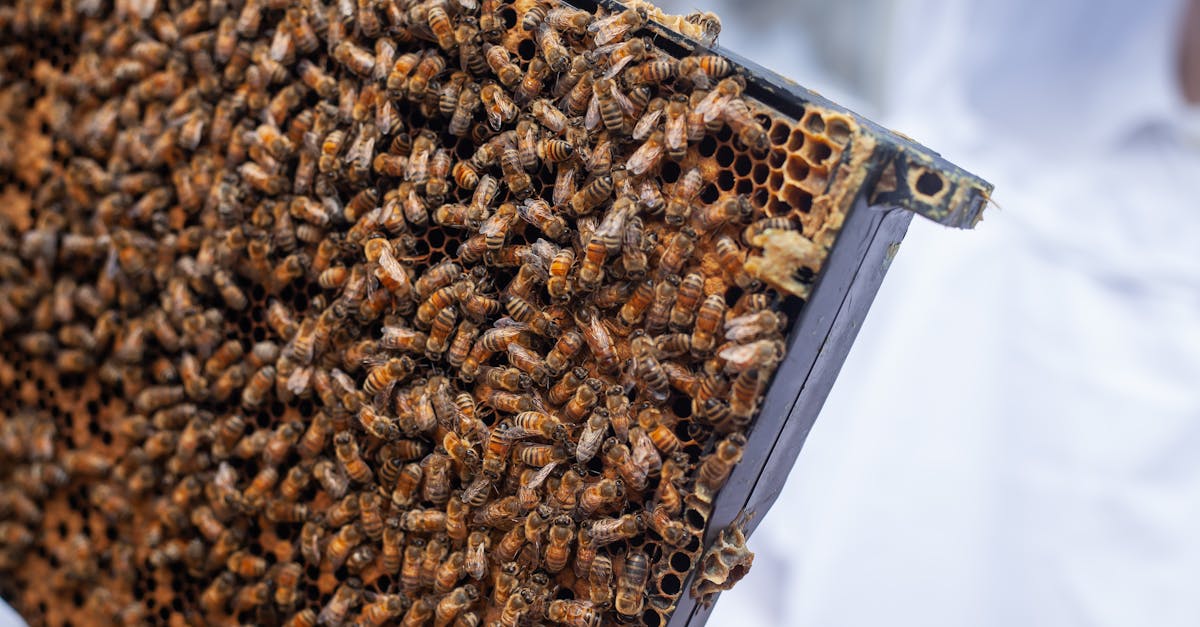
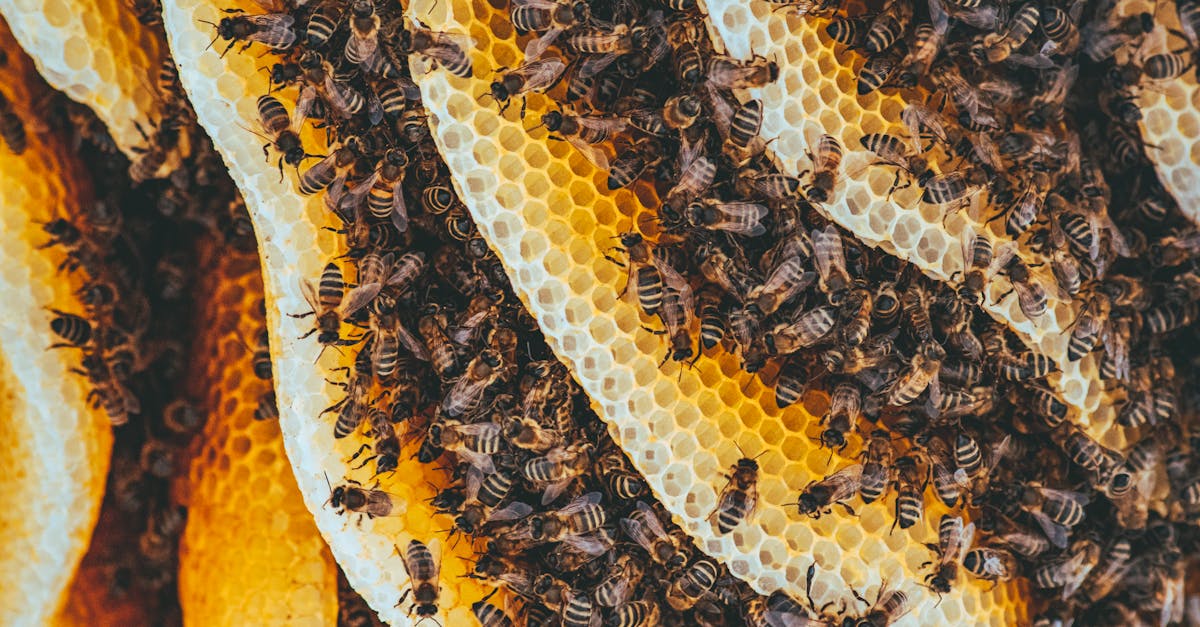
Your appraisal district isn't counting empty wooden boxes. A qualifying hive means an active colony with:
- A queen bee
- A sufficient worker bee population to sustain the colony
- Brood (eggs, larvae, pupae) during the active season
- Frames with drawn comb
Nucleus colonies (nucs) that are actively growing generally count, but a box of frames with no bees in it does not. If an appraiser visits your property and finds 6 boxes but only 3 have living colonies, you have 3 hives, not 6.
Equipment That Supports Your Case
While the hives themselves are what gets counted, having supporting equipment demonstrates that you're running a legitimate beekeeping operation:
- Hive tools, smoker, and protective gear
- Feeders for supplemental feeding during dearth periods
- Varroa mite treatment supplies
- Extraction equipment (even a basic manual extractor)
Documentation matters too. Keep a hive inspection log noting colony health, queen status, and any treatments applied. This is your evidence if the appraisal district questions your operation.
What Happens If Your Hives Die?
Colony losses are a normal part of beekeeping. The average Texas beekeeper loses 30-40% of colonies over winter in a bad year. If your hive count drops below the county minimum, you have a window to replace them before it becomes a problem.
The practical reality: Appraisal districts typically inspect during the active beekeeping season (spring through fall). If you lose hives over winter and replace them by spring, you're unlikely to face issues. Most beekeepers order replacement packages or nucs in January and February for March delivery.
The risk: If you let your hive count stay below the minimum through the active season and an appraiser visits, you could lose your agricultural valuation. If the district also finds a change of use, that triggers a rollback penalty: three years of back taxes on the difference between ag value and market value, covering the three years preceding the change, with no interest.
Best practice: Maintain 1-2 hives above the minimum as a buffer. If your county requires 6 and you keep 8, you can absorb normal colony losses without dropping below the threshold.
Registration With TAIS Is Optional
You may register your hives with the Texas Apiary Inspection Service (TAIS), administered through Texas A&M AgriLife, but you are not required to. Texas Agriculture Code Section 131.045 says a beekeeper "may register," and TAIS states plainly that it does not collaborate with local county offices to mandate registration. Registration is:
- Voluntary
- $35 per year
- Not a prerequisite for your ag exemption application
Registration is still worth considering. It gets you on the state's list for disease and pest notifications, TAIS can inspect for American foulbrood and other problems, and a registration certificate is one more piece of paper showing the operation is real. But an appraisal district cannot deny your application solely because you skipped it. If a district tells you registration is required, ask them to point to the authority.
Quick Reference: Hive Count by Acreage
For counties following the common 6-hive base plus 1 hive per additional 2.5 acres:
| Acreage | Minimum Hives |
|---|---|
| 5 acres | 6 |
| 10 acres | 8 |
| 15 acres | 10 |
| 20 acres | 12 |
The table stops at 20 acres because the statute does. Land above 20 acres cannot qualify through beekeeping at all, no matter how many hives you run on it. Check your specific county's hive schedule using our county lookup tool before setting up your operation.
Next Steps
- Look up your county's exact hive requirements on our county pages
- Confirm your tract falls in the 5 to 20 acre band, or plan a second qualifying use for the rest
- Source your bees from a reputable Texas supplier (local nucs adapt better than shipped packages)
- Set up hives, document everything, and file your application by April 30
- Optionally register with TAIS for $35 a year
If you're starting from scratch and wondering whether beekeeping is the right path for your property, read our comparison of the easiest ag exemption options in Texas.
Sources
This reflects Texas law as of August 2026. The 5 to 20 acre beekeeping band is in Tax Code 23.51(2); the rollback figures reflect HB 1743 (effective September 1, 2019) and HB 3833 (effective June 15, 2021).
- Texas Tax Code Section 23.51 - beekeeping as agricultural use, not less than 5 or more than 20 acres
- Texas Tax Code Section 23.55 - additional tax on change of use
- Texas Apiary Inspection Service, Forms and Fees - voluntary registration and the $35 annual fee
- Manual for the Appraisal of Agricultural Land - the Comptroller's appraisal methodology
- Form 50-129 - the 1-d-1 open-space application
Verified August 6, 2026. Hive counts are set by each appraisal district and change; the acreage band is statutory and does not.