Travis County Ag Exemption: Step-by-Step Guide to Ag Valuation
Learn how to get an agricultural exemption in Travis County. Minimum acreage, qualifying uses, TCAD filing deadlines, and tips to avoid rollback penalties.
If you own land in Travis County and want to lower your property tax bill, an agricultural exemption is your most powerful tool. The Travis Central Appraisal District (TCAD) oversees agricultural valuation for all properties in the county, and the process is straightforward when you know the rules.
This guide covers everything you need: how many acres you need, what qualifies as agricultural use, how to file your 1-d-1 application with TCAD, deadlines you cannot miss, and what happens if you change the use of your land. Whether you raise cattle, grow hay, keep bees, or manage for wildlife, you will find the specific requirements for Travis County here.
How Does the Travis County Ag Exemption Work?
The agricultural exemption in Travis County is not really an exemption. It is a special valuation method called 1-d-1 (open space agricultural appraisal). Instead of valuing your land at its market rate (what a developer would pay), TCAD values it based on its agricultural productivity. That means you pay taxes on what the land can produce as a farm or ranch, not on what it would sell for as a housing development.
The savings are significant. Travis County has some of the highest land values in Texas, especially near Austin and along the I-35 corridor. A 10-acre tract near Dripping Springs might have a market value of $500,000 but an agricultural value of only a few thousand dollars. The difference in your tax bill can be 80 to 95 percent.
To qualify, you must meet three conditions:
- Land must be in agricultural use. Grazing livestock, growing crops, hay production, beekeeping, and wildlife management all count. You need to show that the use is genuine and ongoing.
- The agricultural use must be the primary use. You cannot have a hobby garden on a 5-acre lot and claim ag valuation. The land must be devoted principally to agriculture.
- The use must be at the intensity typical for Travis County. TCAD looks at what a reasonable farmer or rancher in the area would do with land of that size and type. Five acres of improved pasture in eastern Travis County might qualify for grazing, but the same size lot in a subdivision near downtown Austin likely will not.
What Are the Minimum Acreage Requirements for Travis County?
Travis County does not have a single minimum acreage that applies everywhere. TCAD evaluates each application based on the specific agricultural use and the characteristics of the land. However, there are practical guidelines that most landowners follow.
For livestock grazing, TCAD works from animal units rather than raw acres. The standard is 4 animal units, which generally means about 12 acres east of IH-35 and about 20 acres west of IH-35. The hill country west of the interstate has thinner soils and lower carrying capacity, so it takes more land to carry the same herd. On improved pasture east of IH-35 you can graze more animals per acre, so the acreage needed to reach 4 animal units is lower.
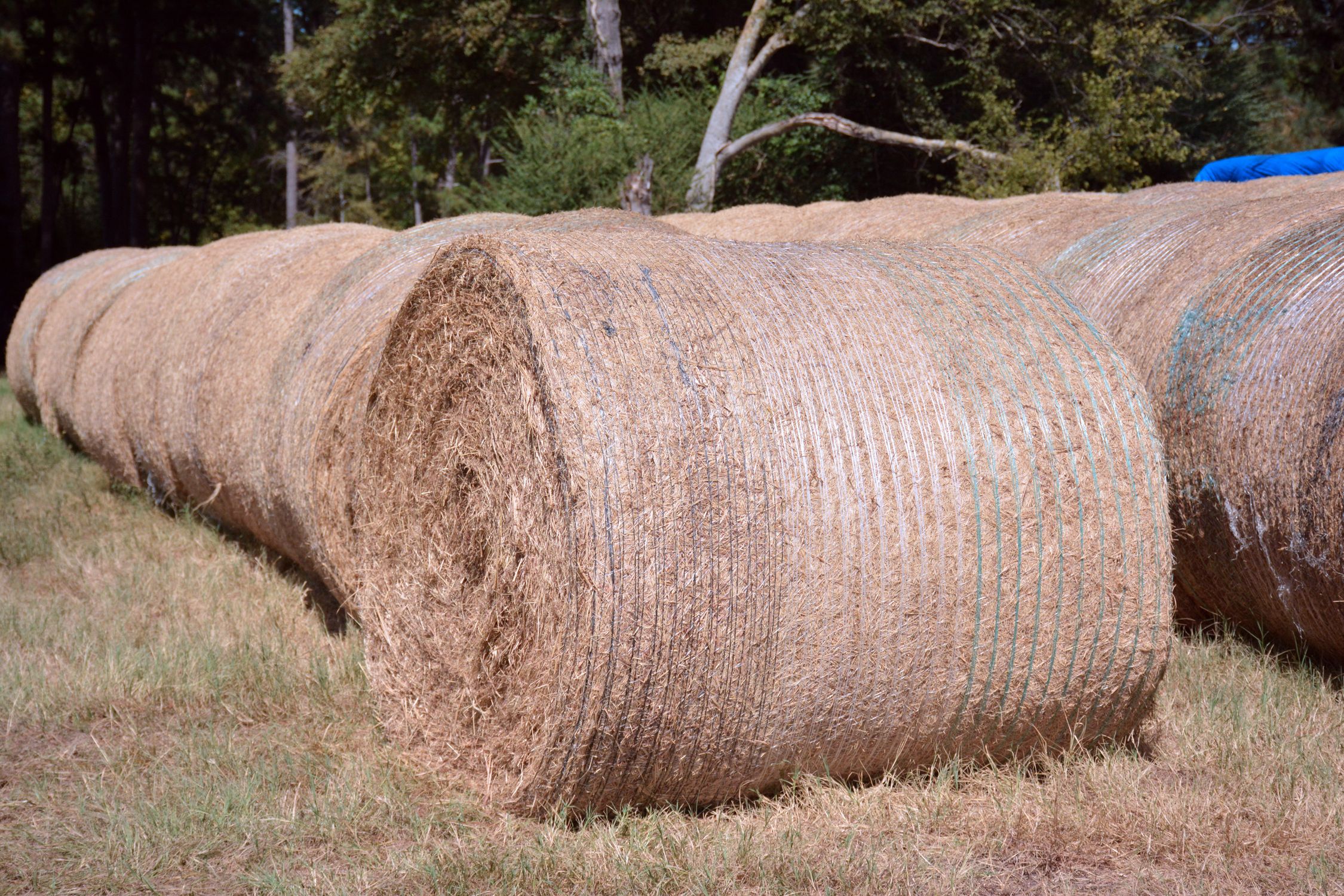
For hay production, you usually need at least 10 acres. Hay operations require enough land to produce a meaningful crop, and TCAD looks for evidence of regular cutting, baling, and either selling the hay or using it to feed livestock.
For beekeeping, the state requires a minimum of 5 to 20 acres depending on the number of hives. Travis County follows the state guidelines: at least 5 acres with 6 hives, or at least 20 acres with 12 hives. Beekeeping has become a popular option for smaller tracts in Travis County, especially in the Dripping Springs, Spicewood, and Lakeway areas.
INFO
If your land falls below the typical minimum for your intended use, do not assume you cannot qualify. You can still apply and present evidence. TCAD makes case-by-case decisions, and some smaller tracts with intensive agricultural use have been approved.
For crop production, TCAD looks for at least 10 acres of planted area. Small vegetable farming for farmers markets or Community Supported Agriculture (CSA) programs can qualify if the operation is commercial in nature.
What Agricultural Uses Qualify in Travis County?
Travis County has a diverse agricultural landscape. The western part of the county (west of Loop 360) remains rural with cattle ranches, horse operations, and hay fields. The eastern part has more row crops and improved pasture. Here are the most common qualifying uses:
Livestock Grazing
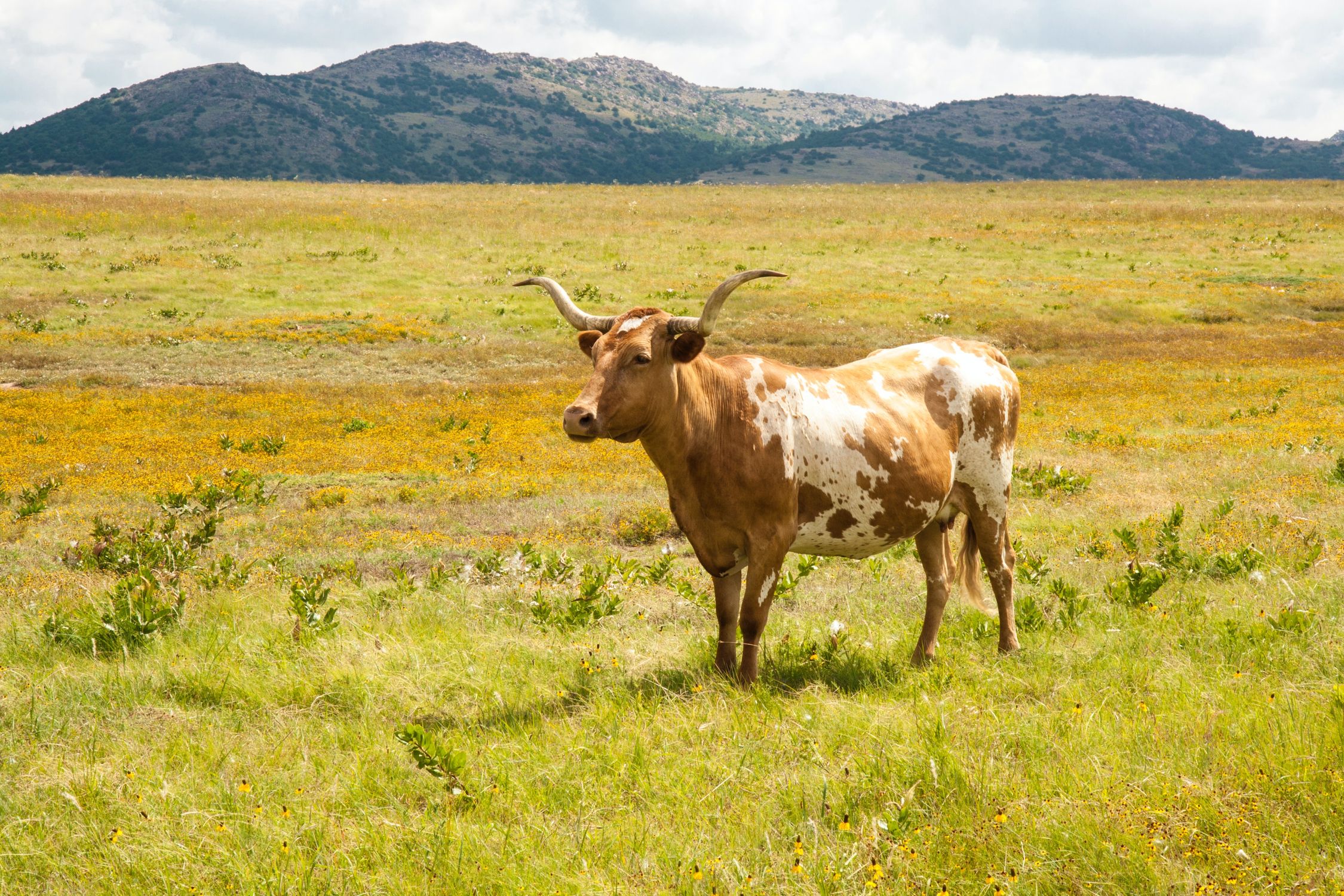
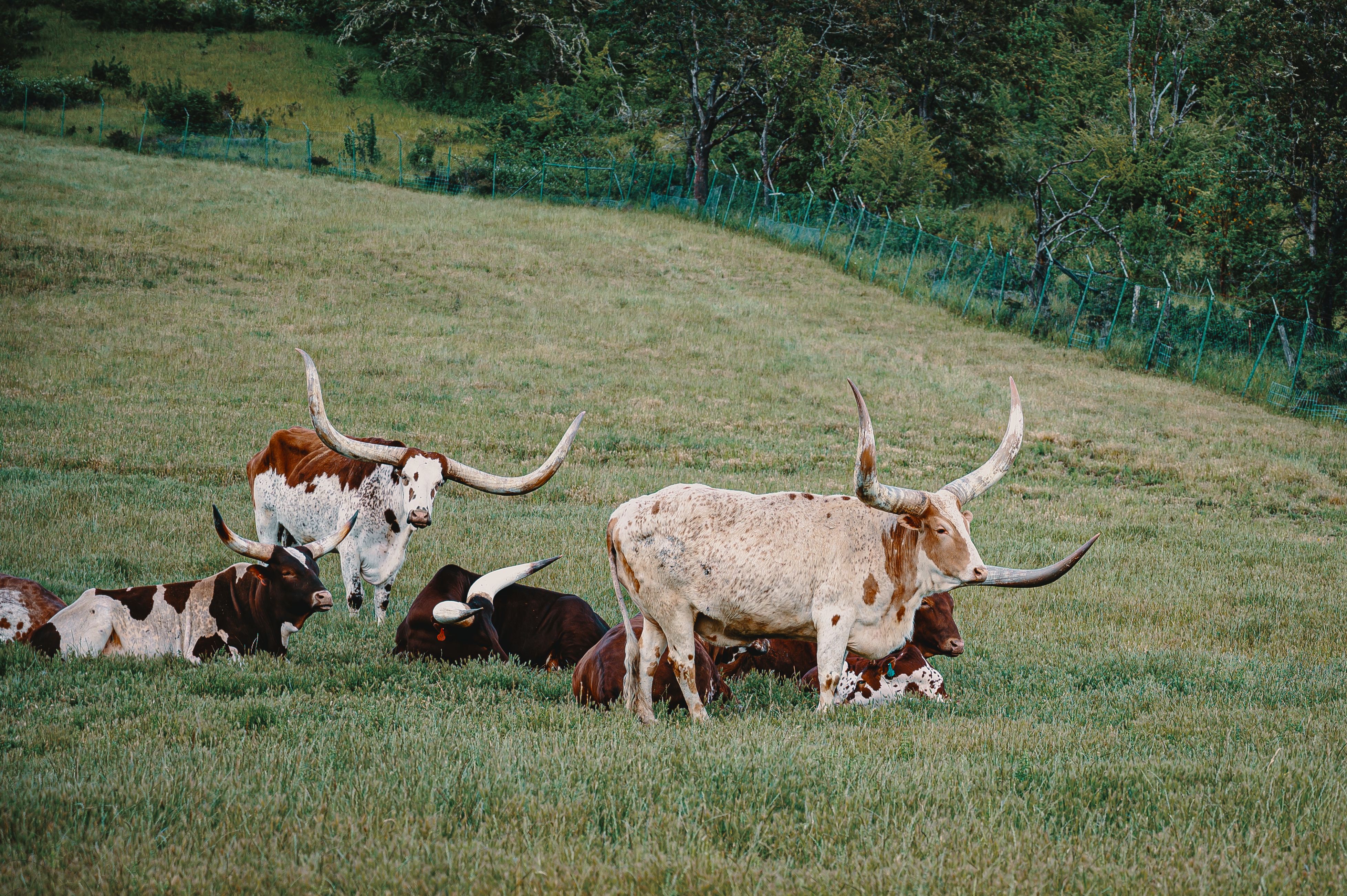
Cattle are the most common agricultural use in Travis County. You need enough acreage to support a reasonable number of animal units. TCAD uses standard animal unit calculations: one cow-calf pair equals one animal unit, and you typically need 10 to 25 acres per animal unit in the hill country. Horses also qualify, though the acreage requirements are similar.
Hay Production
Hay farming is common in eastern Travis County near Elgin and Manor. You need to show that you are actively cutting, baling, and removing hay on a regular schedule. TCAD expects to see at least one cutting per year. If you bale and sell the hay, keep records of sales. If you use it to feed your own livestock, document that the hay is consumed by animals on your property.
Beekeeping
Beekeeping qualifies for agricultural valuation in Travis County under the same state rules that apply everywhere in Texas. Tax Code 23.51(2) limits the qualifying tract to not less than 5 and not more than 20 acres, and TCAD wants 6 hives on the first 5 acres scaling up to 12 hives at 20 acres. The hives must be actively maintained. Registering them with the Texas Apiary Inspection Service is voluntary and costs $35 a year, so treat it as supporting documentation rather than a requirement. Beekeeping is an attractive option for smaller properties in Travis County where traditional grazing or hay operations are not feasible.
Wildlife Management
If your land already qualifies for agricultural valuation, you can convert to wildlife management use. This is common in Travis County for landowners who want to reduce their active farming or ranching while keeping the tax benefit. You need a wildlife management plan approved by TPWD, and you must implement at least three of seven qualifying land management practices. These include habitat control, erosion control, predator management, providing supplemental water, providing supplemental food, providing shelter, and conducting census counts.
NOTE
Wildlife management is a strong option for Travis County landowners in the hill country where traditional agriculture may be less productive. You keep the same tax valuation but with less intensive management.
How Do You Apply for an Ag Exemption in Travis County?
The application process goes through the Travis Central Appraisal District. TCAD is located at 8314 Cross Park Drive in Austin. You can also file by mail or in person.
Step 1: Get the Right Form
You need Form 1-D-1 (Texas Comptroller form for open space agricultural appraisal). This is the same form used across Texas. You can download it from the TCAD website or pick it up at their office. Make sure you get the correct version for the current year.
Step 2: Gather Your Evidence
TCAD requires documentation of your agricultural use. What you need depends on your specific operation:
- For livestock: proof of ownership or lease, purchase records, veterinary records, branding documents
- For hay: equipment ownership or lease, fuel receipts, records of bales produced or sold
- For beekeeping: hive purchase records, inspection logs, honey extraction records, and a TAIS registration certificate if you chose to register
- For crops: seed and fertilizer receipts, planting records, harvest records, sales receipts
The more documentation you have, the smoother the process. TCAD is looking for evidence that your agricultural use is genuine and conducted for profit.
Step 3: File with TCAD
Submit your completed Form 1-D-1 along with your supporting documents to TCAD. You can file by mail, in person, or through TCAD's online portal. The appraisal district will review your application and may schedule a site visit to verify the agricultural use.
Step 4: Wait for Approval
TCAD will notify you of their decision. If approved, your land receives agricultural valuation starting January 1 of that tax year. If denied, you have the right to protest through TCAD's appraisal review board.
When Is the Filing Deadline for Travis County?
The deadline to file Form 1-D-1 with TCAD is April 30 of the tax year for which you are applying. If April 30 falls on a weekend or holiday, the deadline moves to the next business day.
WARNING
Missing the April 30 deadline is the most common reason for a delayed application. If you miss it, a late application still applies to the current tax year as long as it is filed before the appraisal review board approves the appraisal records, usually in July. Under Tax Code 23.541 the penalty is 10 percent of the difference between the tax at market value and the tax at productivity value.
For new landowners who purchased property after January 1, you can file as soon as you close on the property. You do not need to wait until April 30. However, if you file late, the agricultural valuation will only apply from the date of application forward.
What Happens After Approval?
Once TCAD approves your agricultural valuation, you will continue to receive the benefit each year as long as the land remains in agricultural use. TCAD may conduct periodic reviews to verify that the use continues. You do not need to reapply every year unless your use changes.
Keep your documentation current. If TCAD asks for evidence of continued agricultural use, you need to be able to provide it. This is especially important if you maintain the land through wildlife management, where the ongoing practices need to be documented.
What Is the Rollback Penalty in Travis County?
If you change the use of your land from agricultural to non-agricultural, you trigger a rollback penalty. Travis County will recalculate the taxes you would have paid at market value for each of the three years preceding the year of the change and charge you the difference. The change-of-use year itself is not included, and there is no interest on the penalty. HB 1743 cut the lookback from five years to three effective September 1, 2019, and HB 3833 deleted the interest provision effective June 15, 2021.
Common triggers include:
- Subdividing the land into residential lots
- Selling a portion that changes the character of the agricultural use
- Building a non-agricultural structure that takes land out of production
- Simply stopping the agricultural activity without converting to wildlife management
The rollback penalty is still substantial in Travis County, where land values have risen sharply. Three years of the gap between market value and productivity value on a 10-acre tract near Bee Cave can run into the tens of thousands of dollars.
WARNING
If you are considering selling a portion of your land or changing its use, talk to TCAD first. Understanding the rollback calculation before you act can help you plan around it.
Can You Convert from Ag to Wildlife Management in Travis County?
Yes. If your land already has agricultural valuation, you can convert to wildlife management use without triggering a rollback penalty. This is a popular strategy for Travis County landowners who want to reduce their active agricultural operations while keeping the tax benefit.
The process requires:
- A wildlife management plan approved by the Texas Parks and Wildlife Department
- Implementation of at least three of seven wildlife management practices
- Annual documentation of your activities
Many Travis County landowners in the hill country have made this conversion. The land remains under 1-d-1 valuation, and the tax savings continue at the same level.
For more details on the conversion process, see our complete guide on converting from ag to wildlife management.
How Does Travis County Compare to Neighboring Counties?
Travis County has similar requirements to its neighbors, but there are some differences worth noting:
- Hays County (south): Slightly lower land values but similar minimum acreage for grazing. More flexibility on smaller properties.
- Williamson County (north): Larger minimum acreage expectations for grazing in most areas. More row crop agriculture.
- Bastrop County (east): More lenient on hay production minimums. Lower land values mean smaller potential savings but easier qualification.
- Blanco County (west): Focus on livestock and wildlife management. Larger tract minimums due to thinner soil and lower carrying capacity.
Where to Go Next
Getting your agricultural exemption in Travis County starts with understanding what TCAD expects and filing the right paperwork on time. Here are your next steps:
- Download Form 1-D-1 from the TCAD website
- Review the full guide to Texas agricultural valuation for the statewide rules
- If your land is 5 to 20 acres, check our beekeeping exemption guide as an alternative path
- Use our county lookup tool to compare requirements across Texas counties
- If you are considering wildlife management, read our wildlife management plan writing guide
The Travis County ag exemption is one of the best ways to reduce your property tax burden while keeping your land productive. File by April 30, document your use thoroughly, and you will be on your way to significant savings.
Sources
This reflects Texas law as of August 2026, including HB 1743 (86th Legislature, effective September 1, 2019), which cut the open-space rollback from five years to three, and HB 3833 (87th Legislature, effective June 15, 2021), which removed rollback interest entirely.
- Texas Tax Code Section 23.51 - qualified open-space land, degree of intensity, and the 5 to 20 acre beekeeping band
- Texas Tax Code Section 23.54 - application requirements; the statute says "before May 1," which makes April 30 the last valid day
- Texas Tax Code Section 23.55 - additional tax on change of use, three preceding years, no interest
- HB 1743 (86th Legislature) and HB 3833 (87th Legislature)
- Manual for the Appraisal of Agricultural Land - the Comptroller's appraisal methodology
- Form 50-129 - the 1-d-1 open-space application
Verified August 6, 2026. The statutory rules above are statewide. Minimum acreage, hive schedules, stocking rates, and productivity values are local standards set by Travis CAD and change year to year, so confirm current figures with the district before filing.