Dallas County Ag Exemption: How to Get Agricultural Valuation in DFW
Get an agricultural exemption in Dallas County Texas. Covers DCAD minimum acreage, degree of intensity requirements for Form 1-d-1, and rollback penalties.
Getting an agricultural exemption in Dallas County is different from getting one in rural Texas. The Dallas Central Appraisal District (DCAD) evaluates applications against standards designed for a county where suburban growth presses against working farmland and ranchland. The same state law applies, but the local rules, minimum acreage guidelines, and degree of intensity requirements reflect the reality of agriculture in a rapidly urbanizing metro area.
If you own land in or around Dallas and want to reduce your property tax burden through agricultural valuation, this guide covers exactly what DCAD looks for, how to apply, and what it takes to qualify for 1-d-1 open space valuation in Dallas County.
How Does the Dallas County Ag Exemption Work?
The term "ag exemption" is shorthand for a special valuation method called 1-d-1 open space appraisal. It comes from Article 8, Section 1-d-1 of the Texas Constitution. Instead of taxing your land at its market value (what a developer would pay), DCAD values it based on its agricultural productivity -- what the land can produce in crops, forage, or livestock.
In Dallas County, where land values are driven by the DFW metroplex real estate market, the difference can be substantial. Productivity valuation often reduces the taxable value of land by 70 to 90 percent compared to market value appraisal. On a 15-acre tract near Seagoville or Combine, that can mean thousands of dollars in annual savings.
INFO
The savings from agricultural valuation apply only to the land itself, not to any homes, barns, or other improvements on the property. Structures are taxed at market value regardless of your ag status.
To qualify for 1-d-1 valuation in Dallas County, your land must meet three conditions:
- The land must be devoted principally to agricultural use. Grazing livestock, growing hay, producing crops, and beekeeping all count. The agricultural use must be the primary use of the land, not a side activity.
- The agricultural use must be at the degree of intensity generally accepted in Dallas County. DCAD's agricultural advisory board sets these standards each year. They reflect what a reasonable farmer or rancher in the area would do with land of that size and type.
- You must apply and receive approval from DCAD before the deadline. Agricultural valuation is not automatic. You file once, and the status stays on the property until the use changes or ownership transfers.
What Are the Minimum Acreage Requirements in Dallas County?
Dallas County does not have a single minimum acreage that applies to every property. DCAD evaluates each application based on the specific agricultural use and the characteristics of the land. However, there are practical guidelines that most landowners follow.
For standard agricultural uses such as livestock grazing and hay production, 10 acres is a common benchmark. Properties under 10 acres face much closer scrutiny and must demonstrate a level of agricultural intensity that matches what the advisory board expects for that size and use.
Larger tracts generally have an easier path to qualification. A 20 to 30 acre property with improved pasture, proper fencing, and a water source can typically meet the intensity standards for livestock grazing without much difficulty. Smaller tracts require more evidence of active, commercially oriented agricultural use.
Beekeeping has its own rules in Dallas County. The Texas Tax Code allows beekeeping on smaller tracts, but the number of hives must meet the local intensity standard. Current guidelines for Dallas County typically require a minimum number of hives per acre, and the hives must be actively maintained with regular management practices.
WARNING
Minimum acreage guidelines vary by use type and can change when DCAD updates its agricultural guidelines. Always check the current year's guidelines directly with DCAD before filing your application. What worked for your neighbor's property may not apply to yours.
What Agricultural Uses Qualify with DCAD?
DCAD recognizes several agricultural uses for 1-d-1 valuation. Each use type has its own degree of intensity standards that the landowner must meet.
Livestock Grazing
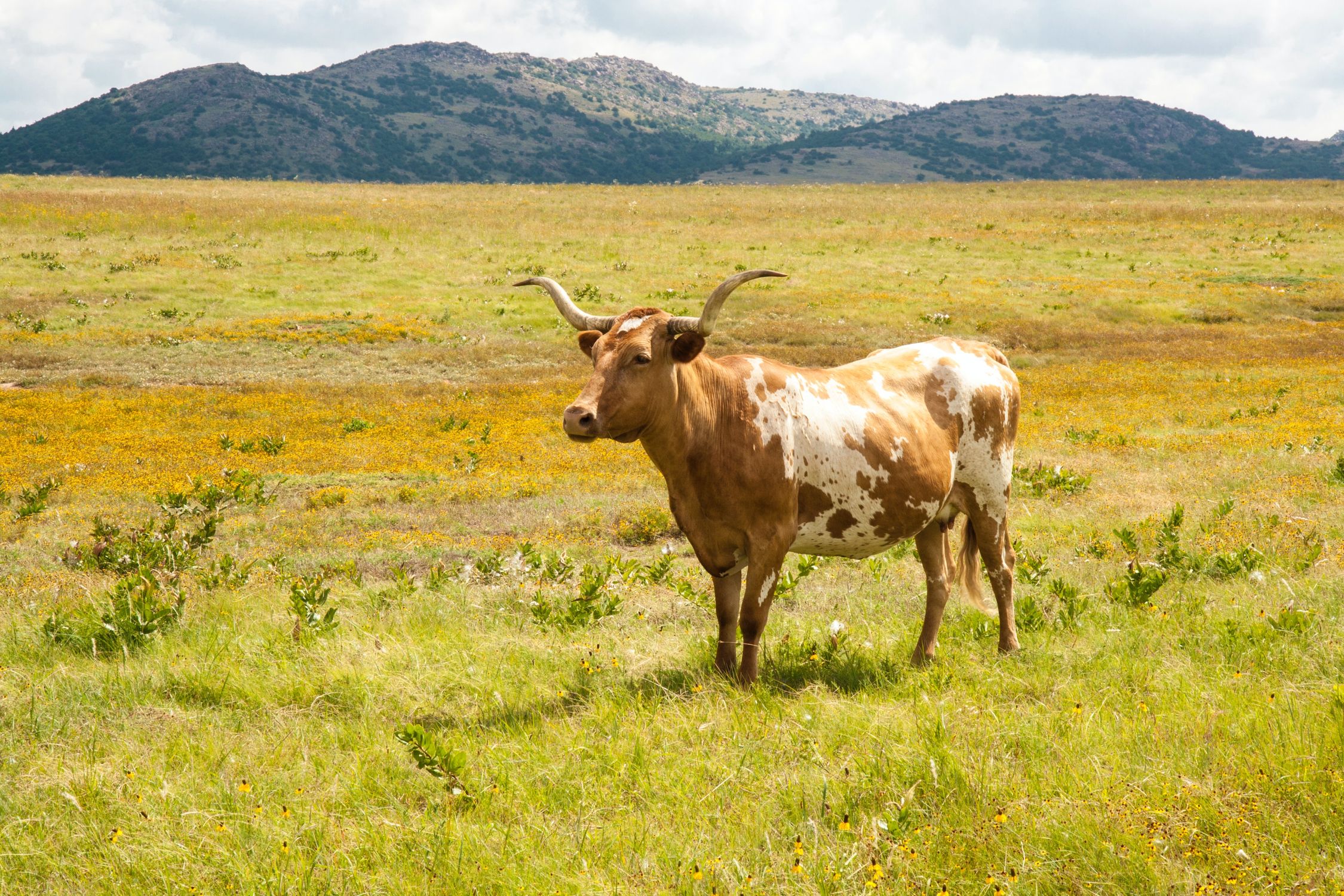
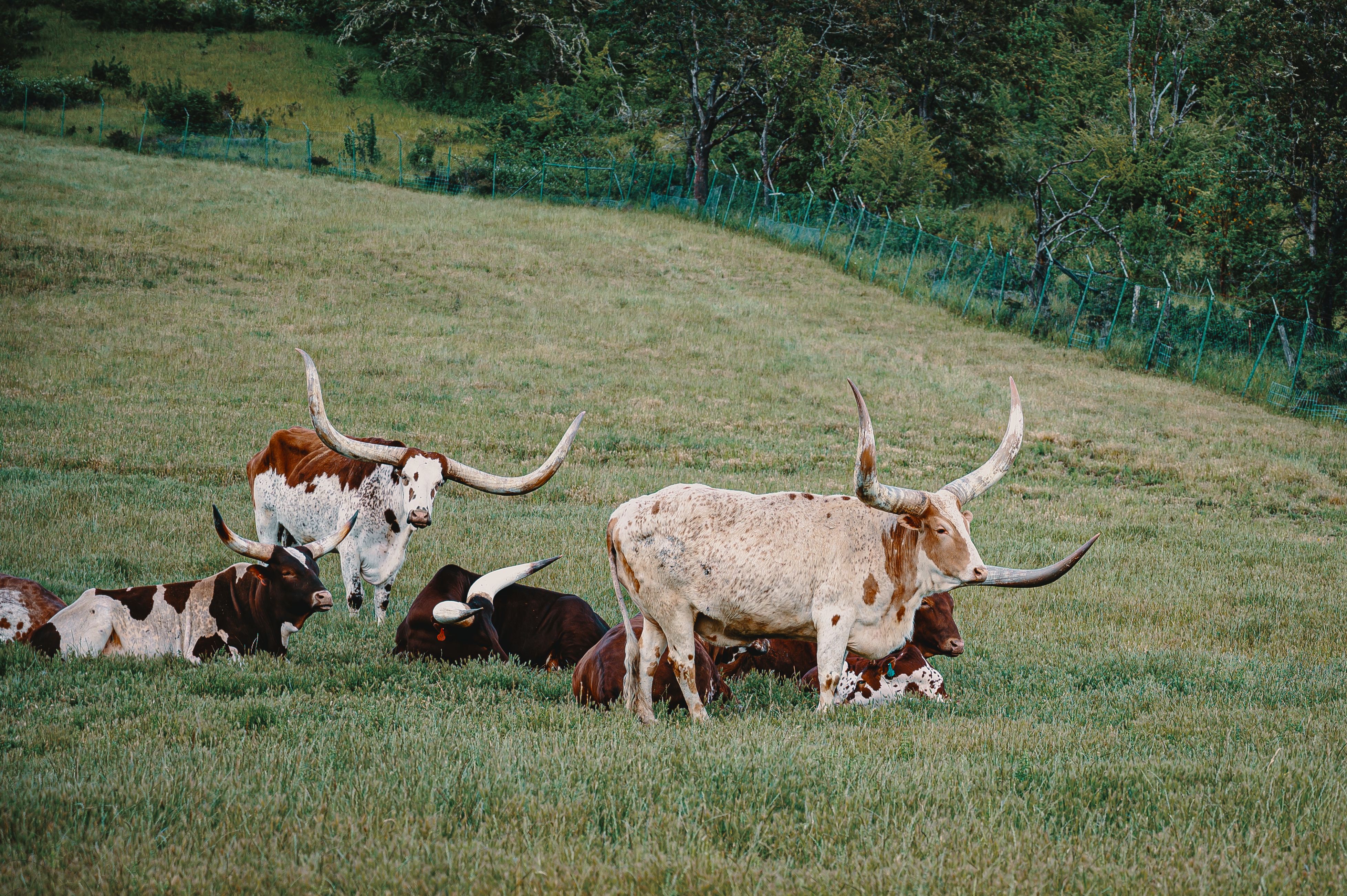
Livestock grazing is the most common agricultural use in Dallas County. Cattle, goats, sheep, and horses all qualify when managed as part of a commercial agricultural operation. The key requirement is that the number of animal units matches the carrying capacity of the land.
For beef cattle, DCAD typically looks for a stocking rate that aligns with the quality of the pasture. Improved pastures with coastal bermudagrass or other improved forages can support more animals per acre than native pasture. You need to show that the number of animals on the property meets or exceeds the typical intensity for your type of land.
Fencing must be adequate for the type of livestock you are grazing. You also need a reliable water source, whether that is a pond, creek, or trough system. These are basic requirements of any working livestock operation.
Hay Production
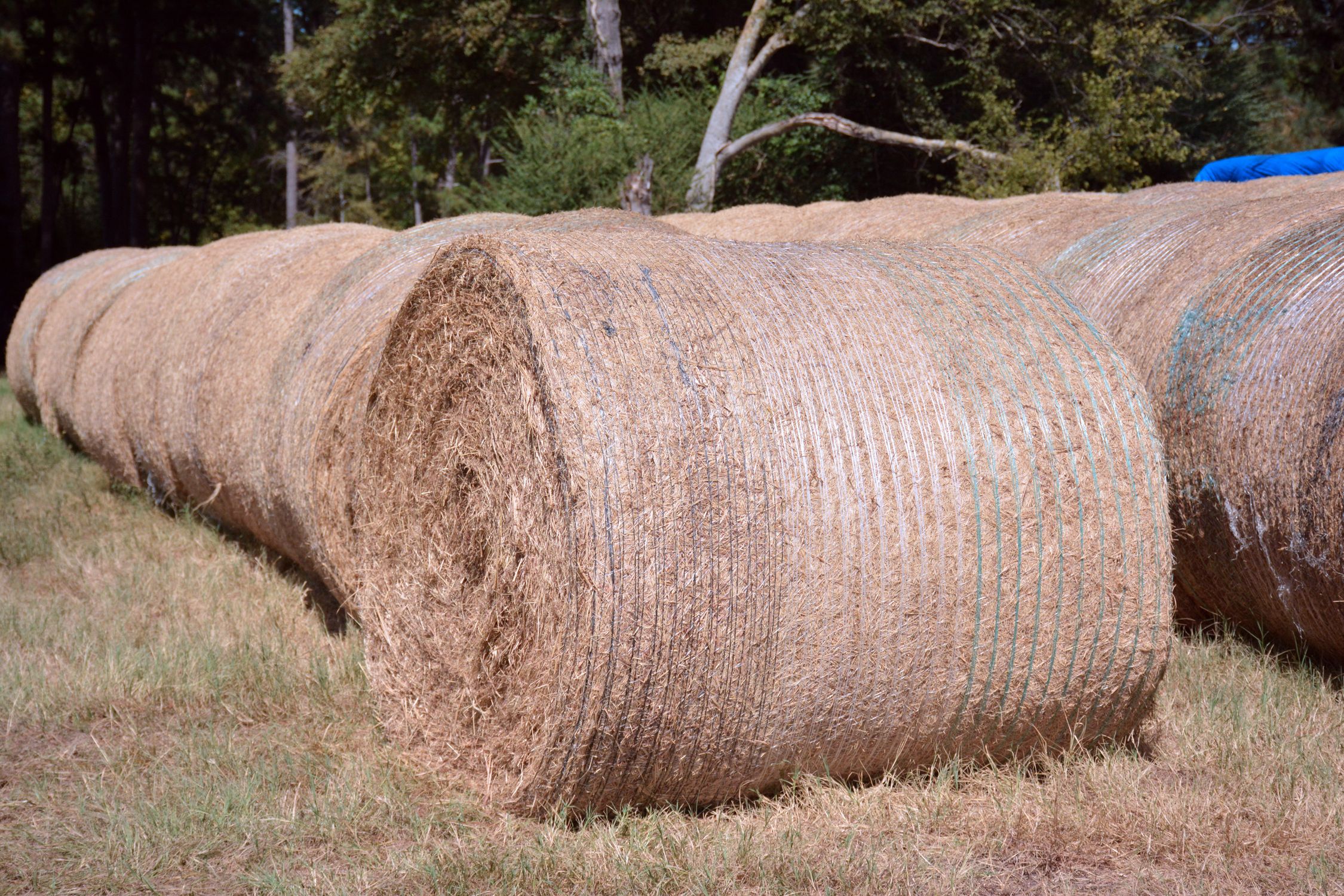
Hay production is another common qualifying use in Dallas County. The land must be actively managed for hay, which means regular cutting, baling, and removing the hay from the field. DCAD's guidelines typically expect at least two cuttings per year on improved hay meadows.
To qualify for hay production, the land should be planted with a suitable forage crop such as coastal bermudagrass or bahiagrass. You need to demonstrate active management practices including fertilization, weed control, and regular harvesting. The hay should be marketed or used as part of a livestock operation, not simply left in the field.
Beekeeping
Beekeeping has grown in popularity as a qualifying agricultural use on smaller properties in Dallas County. The Texas Property Tax Code allows beekeeping on tracts as small as 5 acres, but the local intensity standards still apply.
DCAD requires a minimum number of hives per acre, and the hives must be actively managed. Beekeeping operations must follow standard apicultural practices, including regular hive inspections, pest management, and honey harvesting. Supplemental feeding alone does not count as active management.
The hives must remain on the property year-round. Moving hives in and out for pollination services may not meet the "devoted principally to agricultural use" requirement if the hives are absent for most of the year.
Other Qualifying Uses
Dallas County also recognizes other agricultural uses including row crops, orchard or vineyard production, and wildlife management (as a conversion from agricultural use). Row crops are less common in Dallas County given the development pressure, but active farming operations do exist in the eastern and southern parts of the county.
Wildlife management is an option for landowners who already have agricultural valuation and want to convert to a wildlife management use. This allows you to manage your land for native wildlife species while maintaining your 1-d-1 tax status.
How to Apply for Ag Valuation in Dallas County
The application process for agricultural valuation in Dallas County is straightforward but requires attention to detail. Here is exactly what you need to do.
Step 1: Get the Right Forms
Start with the standard state form for agricultural valuation. The Texas Comptroller provides Form 50-129, "Application for 1-d-1 (Open-Space) Agricultural Use Appraisal." You can download this from the comptroller's website or pick up a copy from the DCAD office.
DCAD also requires a supplemental Agricultural Use Questionnaire. This questionnaire asks for specific details about your agricultural operation including the type of use, number of animals or acres in production, and the management practices you follow. The questionnaire helps DCAD verify that your operation meets the local degree of intensity standards.
Step 2: Complete the Application
Fill out Form 50-129 completely. The form asks for your name, property location, description of the agricultural use, and the date you began the agricultural activity. If you recently purchased the property and started agricultural use, you need to document when that use began.
The Agricultural Use Questionnaire requires more detail. Be specific about your operation. If you are grazing cattle, state the number of head, the breed, the acreage used for grazing, and your rotation schedule. If you are producing hay, describe your fertilization program, expected yield per cutting, and how many cuttings you plan per year.
Step 3: Submit by April 30
The deadline for filing a new agricultural valuation application with DCAD is April 30 of the tax year for which you are applying. Tax Code 23.54(d) phrases it as "before May 1," which means April 30 is the last valid day. File on May 1 and you have missed it.
If you do miss it, a late application still applies to the current year as long as it is filed before the appraisal review board approves the appraisal records, typically in July. Under Tax Code 23.541 the penalty is 10 percent of the difference between the tax at market value and the tax at productivity value.
You can submit your forms in person at the DCAD office at 2949 N. Stemmons Freeway, Dallas, TX 75247, by mail to the same address, or through DCAD's online portal if electronic submission is available.
Step 4: Wait for Review
DCAD reviews each application and may request additional information or schedule a site visit. The review process can take several weeks, especially during the busy spring filing season. If DCAD needs more information, they will contact you directly.
Once approved, the agricultural valuation applies to the property for that tax year and remains in place as long as the land continues to meet the requirements. You do not need to reapply each year unless the use changes or the property is sold to a new owner.
What Happens If You Change the Land Use?
If you have agricultural valuation on your Dallas County property and later change the use to something non-agricultural, you will face a rollback penalty. The rollback recaptures the tax savings for the three years preceding the year of the change. The change-of-use year itself is not included, and no interest is added to the penalty. HB 1743 cut the lookback from five years to three effective September 1, 2019, and HB 3833 deleted the interest provision effective June 15, 2021.
In Dallas County, where land values are high, the rollback penalty is still substantial. A property saving $5,000 per year in taxes would face a rollback bill of roughly $15,000.
The rollback triggers when the land's use changes to a non-agricultural purpose. Common triggers include selling the property to a developer, subdividing the land, or simply ceasing agricultural activity. If you stop running livestock or stop cutting hay, you risk triggering a rollback even if you have not sold the land.
Tips for a Successful Dallas County Ag Exemption Application
Getting approved for agricultural valuation in Dallas County requires more than just owning land and claiming you use it for agriculture. DCAD looks for genuine, commercially oriented agricultural activity. Here are practical steps that improve your chances of approval.
Document everything. Keep records of your agricultural activities including receipts for livestock purchases, hay sales, fencing materials, fertilizer, seed, and veterinary supplies. A paper trail showing that your operation is a real business, not a hobby, makes a strong impression during the review process.
Maintain good fences and water systems. DCAD site visits are common, and the condition of your property matters. Well-maintained fences, functioning gates, and reliable water sources signal that you are running a real agricultural operation.
Start your agricultural use before you apply. DCAD wants to see that the land is actively in agricultural use when you submit your application, not just that you plan to start. If you recently bought the property, begin your agricultural activities as soon as possible and document the start date.
Consult the current DCAD agricultural guidelines. DCAD publishes its agricultural guidelines each year. These guidelines contain the specific degree of intensity standards for each use type. Reading them before you apply helps you understand exactly what DCAD expects.
Wildlife Management as an Alternative
If your Dallas County property already has agricultural valuation and you want to shift to a less intensive land management approach, wildlife management valuation is an option. This allows you to maintain your 1-d-1 tax status while managing the land for native wildlife species instead of traditional agricultural production.
To convert from agricultural to wildlife management use in Dallas County, you must submit a wildlife management plan to DCAD. The plan must include specific habitat management practices such as prescribed burning, brush management, erosion control, or providing supplemental water or food for wildlife.
Wildlife management is not an easier path to the exemption. It requires an approved plan and annual reporting to DCAD. But for landowners who are more interested in conservation than farming, it can be a good way to maintain the tax savings.
Where to Go Next
Getting your agricultural exemption in Dallas County starts with understanding the local rules and filing the right paperwork with DCAD. The appraisal district's website at dallascad.org has the current agricultural guidelines, the application forms, and contact information for the agricultural appraisal staff who can answer your questions.
If you are just starting your research on agricultural exemptions, read our complete guide to the Texas agricultural exemption for a broader overview of how 1-d-1 valuation works across the state.
For neighboring counties, see our guides for Tarrant County ag exemption and Collin County ag exemption if your property falls in those appraisal districts.
If you already have ag valuation and are thinking about converting to wildlife management, our wildlife management plan writing guide explains how to create a plan that meets your appraisal district's requirements.
Sources
This reflects Texas law as of August 2026, including HB 1743 (86th Legislature, effective September 1, 2019), which cut the open-space rollback from five years to three, and HB 3833 (87th Legislature, effective June 15, 2021), which removed rollback interest entirely.
- Texas Tax Code Section 23.51 - qualified open-space land, degree of intensity, and the 5 to 20 acre beekeeping band
- Texas Tax Code Section 23.54 - application requirements; the statute says "before May 1," which makes April 30 the last valid day
- Texas Tax Code Section 23.55 - additional tax on change of use, three preceding years, no interest
- HB 1743 (86th Legislature) and HB 3833 (87th Legislature)
- Manual for the Appraisal of Agricultural Land - the Comptroller's appraisal methodology
- Form 50-129 - the 1-d-1 open-space application
Verified August 6, 2026. The statutory rules above are statewide. Minimum acreage, hive schedules, stocking rates, and productivity values are local standards set by the Dallas Central Appraisal District and change year to year, so confirm current figures with the district before filing.