Fort Bend County Ag Exemption Guide: Requirements and 1-d-1 Application
Learn how to get an agricultural exemption in Fort Bend County. Minimum acreage, qualifying uses, degree of intensity standards, and step-by-step application instructions for 1-d-1 open-space valuation.
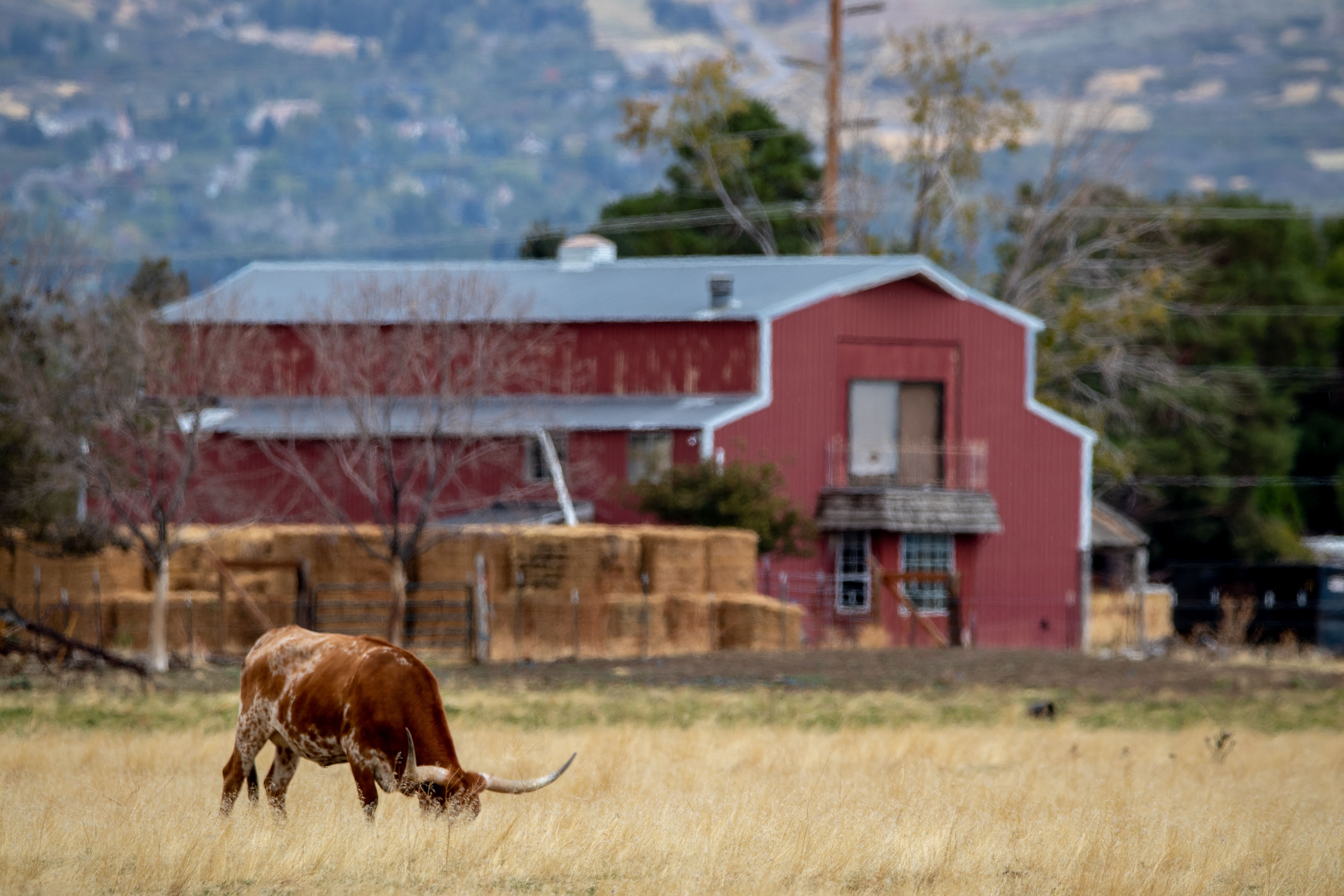
Fort Bend County offers agricultural use valuation (commonly called the ag exemption) for landowners who use their property for qualifying agricultural production. Through the 1-d-1 open-space appraisal, you can lower your property tax bill by having your land valued at its agricultural productivity value rather than its market value. This can reduce your tax burden by 70 to 90 percent depending on your property's location and soil type.
This guide covers the specific requirements set by the Fort Bend Central Appraisal District (FBCAD), including minimum acreage, degree of intensity standards, qualifying uses, and how to file your application correctly.
What Is the Fort Bend County Ag Exemption?
The ag exemption in Texas is technically not an exemption at all. It is a special appraisal method under Texas Tax Code Section 1-d-1 that values agricultural land based on its capacity to produce agricultural products rather than its market value. The Fort Bend Central Appraisal District administers this program for all property in Fort Bend County.
The distinction matters. An exemption removes your property from the tax rolls. The agricultural appraisal still taxes your land, but at a much lower rate. Structures on the property such as barns, sheds, homes, and stables are appraised at full market value regardless of your agricultural use.
Fort Bend County is a rapidly growing area southwest of Houston, and as development pushes outward, many rural landowners find themselves with rapidly rising property values. The ag exemption is one of the most effective tools available to keep your property taxes manageable on working land.
INFO
The Texas ag exemption applies to the land only. Your home, shop, and other improvements are still taxed at market value. If you live on your agricultural property, you can also apply for a homestead exemption on your residence to further reduce your total tax burden.
Minimum Acreage Requirements
Texas does not set a statewide minimum acreage for agricultural use valuation. Tax Code 23.51(1) defines qualified open-space land by principal use and degree of intensity, and the only acreage band in the statute is the 5 to 20 acres allowed for beekeeping. Every minimum you hear quoted, including Fort Bend's, is a local standard set by the appraisal district. Meeting it alone does not guarantee approval.
In Fort Bend County, tract size is evaluated alongside the degree of intensity of your agricultural operation. A 5-acre property raising cattle may qualify if the stocking rates and management practices meet the district's standards. A 10-acre hay operation may qualify if it meets yield expectations. A 20-acre property sitting idle with a few horses for personal use likely will not qualify.
Small tracts, especially those under 10 acres, face closer scrutiny. The appraisal district evaluates whether the agricultural use is genuine and conducted at a commercial intensity. Hobby farming or keeping a few animals as pets does not qualify.
WARNING
Acreage minimums vary by agricultural use. A livestock operation on 5 acres requires a higher stocking density than one on 50 acres. The appraisal district expects each property to show a meaningful agricultural operation, not just the minimum acre count.
Qualifying Agricultural Uses
Fort Bend County recognizes several categories of agricultural use for 1-d-1 valuation. The most common include:
Livestock Operations
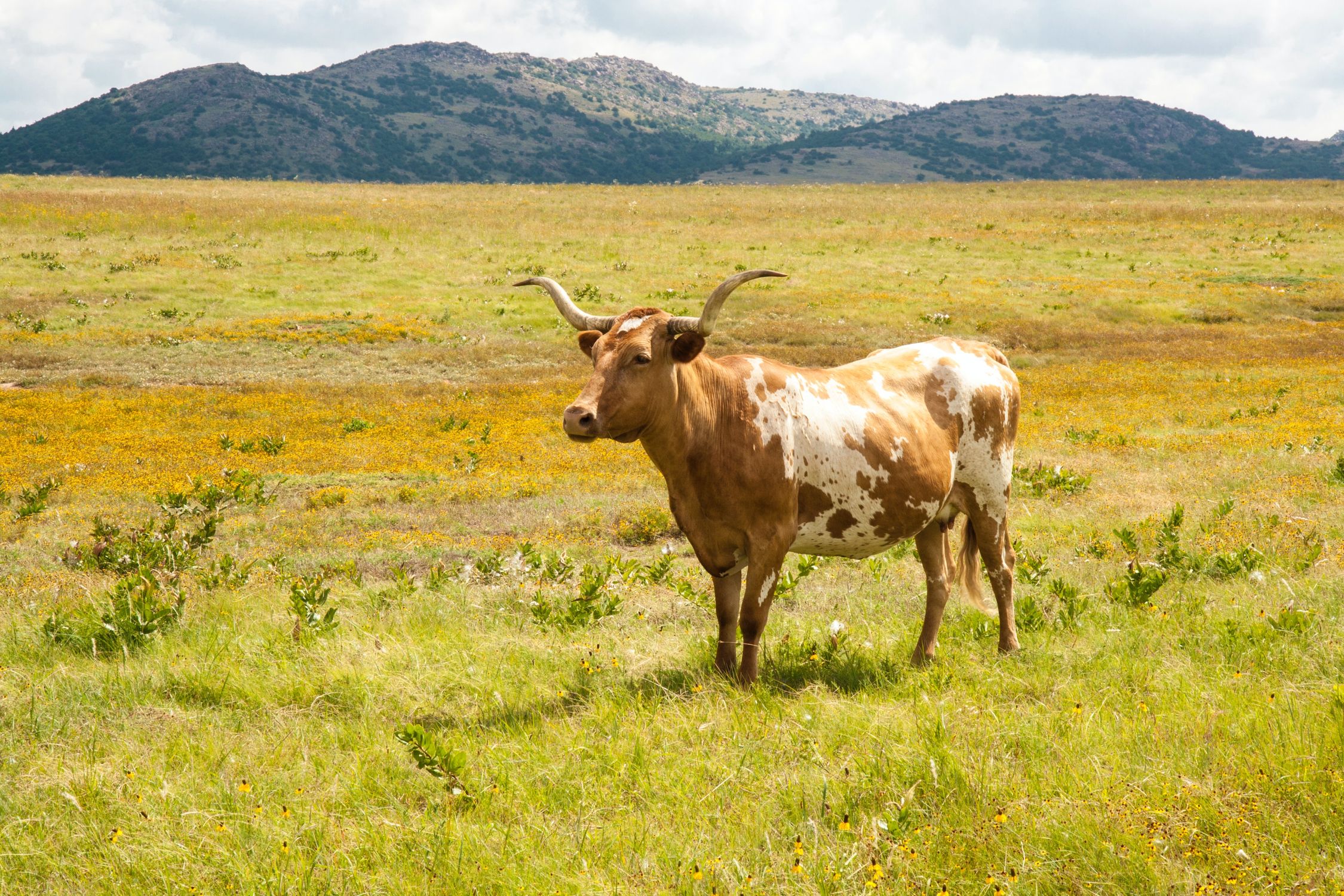
Cattle, sheep, goats, and other livestock qualify when the property is stocked at the appropriate rate for the land's carrying capacity. Fort Bend County has both native pasture and improved pasture land, and the appraisal district uses soil type and range site data to determine appropriate stocking rates. A typical expectation is one animal unit per 10 to 20 acres depending on the pasture quality.
Hay Production
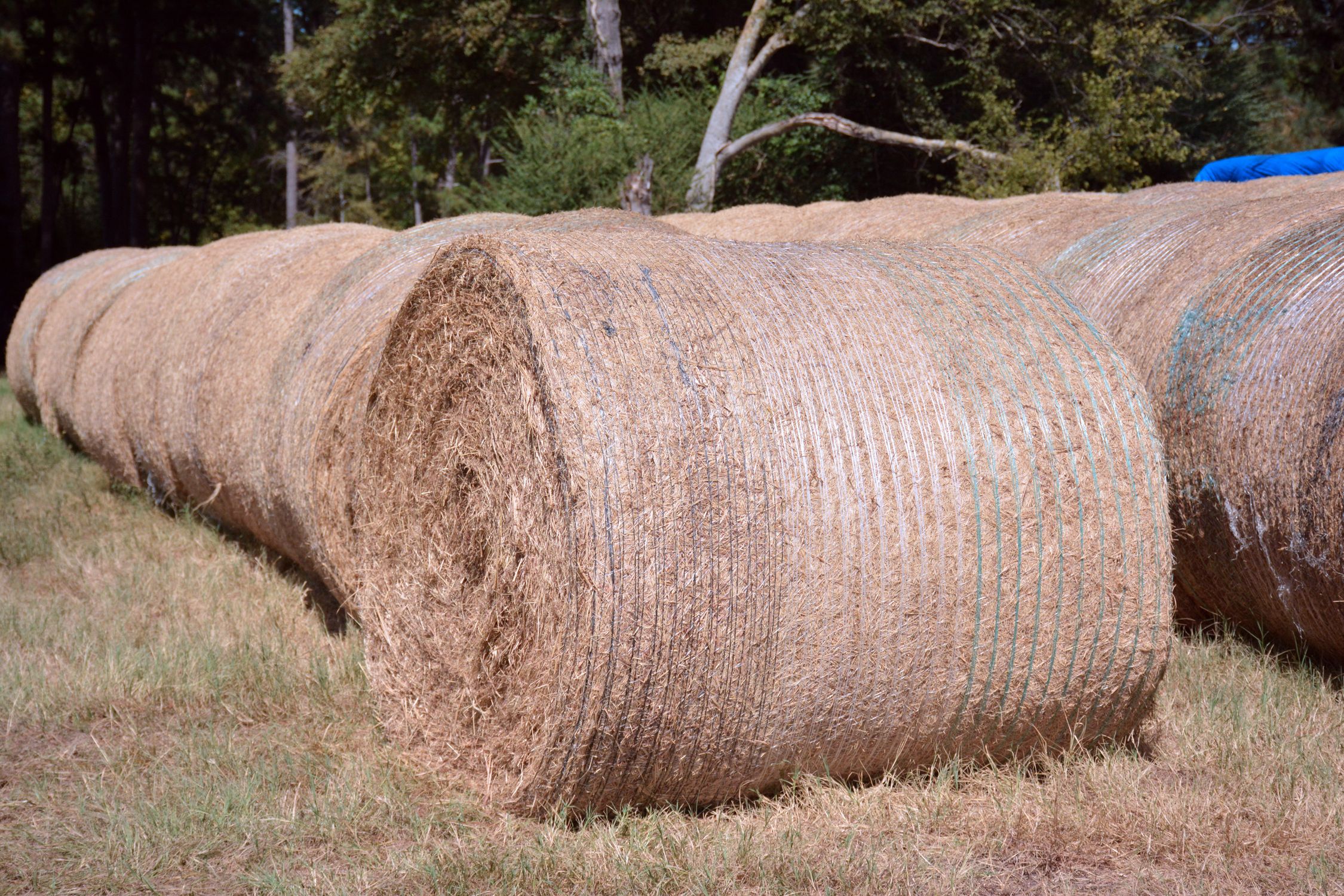
Hay production is one of the most common agricultural uses in Fort Bend County, particularly on properties between 5 and 50 acres. The district requires evidence of regular harvesting, typically at least one cutting per year, with baling and removal. You should document your yield per acre, as the district has productivity standards based on soil type.
Row Crops
Row crop agriculture such as corn, cotton, sorghum, soybeans, or wheat qualifies when the land is actively farmed. Fort Bend County has a long agricultural history and significant acreage remains in row crop production, particularly in the northern and western parts of the county.
Horticulture and Orchard Production
Fruit and nut orchards, vegetable production, and nursery operations qualify when they meet the degree of intensity standards. Horticulture often requires a written production plan and may require wholesale operations in certain cases.
Beekeeping
Beekeeping qualifies for agricultural appraisal in Fort Bend County when you maintain the minimum number of hives as set by the appraisal district. The standard requirement is typically 6 to 12 hives depending on the property size. You need to register your hives with the Texas Apiary Inspection Service and maintain an active management schedule.
Degree of Intensity Standards
The degree of intensity requirement is the most commonly misunderstood aspect of the ag exemption. It is not enough to simply own land and run a few animals on it. The appraisal district expects a level of activity that matches what a typical agricultural producer in the area would do.
Fort Bend County evaluates degree of intensity through several factors:
- Stocking rates or planting densities. For livestock, the number of animal units per acre must reflect a commercial operation. For crops, the acreage planted and expected yield per acre matter.
- Infrastructure. Fencing, water systems, working pens, equipment storage, and other improvements show that you are actively managing the property for agriculture.
- Management practices. Brush control, weed management, soil conservation, rotational grazing, and fertilization records demonstrate ongoing agricultural stewardship.
- Records of production. Sales receipts, bill of sale for livestock, hay bale counts, or crop yield records provide evidence of agricultural output.
- Time commitment. Agricultural use requires regular attention. Seasonal activity that is limited to a few days per year may not meet the standard.
You do not need to turn a profit or show income to qualify. The requirement is agricultural use to a degree of intensity, not commercial viability. But you do need to demonstrate that the land is being used for agriculture in a meaningful way.
NOTE
The Texas Property Tax Code does not require your agricultural operation to be profitable. As long as you meet the degree of intensity standard for your type of agriculture, you qualify for the special valuation.
How to Apply for 1-d-1 Agricultural Appraisal
Applying for the ag exemption in Fort Bend County requires filling out the correct form and providing supporting documentation. The process works like this:
Step 1: Get the Correct Application Form
The state of Texas provides a standard form for 1-d-1 open-space agricultural use appraisal: Comptroller Form 50-129. You can download it from the Texas Comptroller website or pick up a copy from the Fort Bend Central Appraisal District office.
Some landowners may also need to file additional schedules depending on the type of agricultural use. Check with the FBCAD to confirm whether your specific operation requires supplemental forms.
Step 2: Complete the Application
The form asks for basic property information including the property description, account number, and legal description. You must also describe the type of agricultural use, the acreage devoted to that use, and the intensity of your operation.
Be thorough. A minimal application with no supporting evidence is likely to be rejected or to trigger a request for more information. Attach copies of:
- Livestock bills of sale or purchase records
- Veterinary receipts
- Hay or crop sales receipts
- Lease agreements if the land is leased for agriculture
- Photographs of fencing, livestock, equipment, or planted fields
- A written description of your annual management practices
Step 3: Submit Before the Deadline
File the completed application with the Fort Bend Central Appraisal District by April 30 of the year for which you are seeking agricultural valuation. You can file in person, by mail, or through the FBCAD's online portal.
If you miss the April 30 deadline, the chief appraiser may accept a late filing for good cause, but approval is not guaranteed. Late applications must be filed before the appraisal review board approves the appraisal records, which typically happens in June or July.
Step 4: Wait for the Appraisal District Review
The FBCAD will review your application and may request additional information. A field visit is common for initial applications. The appraiser may inspect your property to verify fencing, livestock, crops, or other evidence of agricultural use.
If your application is approved, the land receives the 1-d-1 valuation for that tax year. If it is denied, you have the right to appeal to the Fort Bend County Appraisal Review Board.
What Happens After Approval
Once approved, you do not need to reapply every year. The agricultural use valuation remains in place as long as the land continues to qualify. However, the Fort Bend Central Appraisal District may request updated information periodically to confirm that the agricultural use continues.
You are required to notify the appraisal district if the use of your land changes. If you stop using the land for agriculture, subdivide it, or convert it to a non-agricultural use, you must file a change of use notification.
The FBCAD also conducts periodic reviews. If an appraiser visits your property and finds it no longer meets the degree of intensity standard, the agricultural valuation may be removed.
Rollback Penalties: What Triggers Them
If the use of your land changes to a non-agricultural use, you face rollback taxes. The rollback recaptures the difference between what you paid under agricultural valuation and what you would have paid at market value, for the three years preceding the year of the change. The change-of-use year itself is not included, and there is no interest on the penalty. HB 1743 cut the lookback from five years to three effective September 1, 2019, and HB 3833 deleted the interest provision effective June 15, 2021. Three years is still a significant hit on a property that has appreciated substantially.
Common triggers for rollback in Fort Bend County include:
- Selling or subdividing the property. Breaking a larger tract into smaller parcels that no longer meet the minimum acreage requirement triggers rollback.
- Changing the use of the land. Converting agricultural land to residential, commercial, or industrial use triggers rollback.
- Allowing the agricultural use to lapse. If you stop ranching, farming, or otherwise using the land for agriculture and have not converted to another qualifying use like wildlife management, rollback applies.
- Failing to maintain degree of intensity. If your operation falls below the required intensity level for two or more consecutive years, you may lose the valuation and face rollback.
The good news is that you can convert from agricultural use to wildlife management use without triggering rollback, provided you follow the proper process. This is a popular option for landowners who want to reduce their active farming or ranching commitment while keeping the tax benefit.
Working With a Consultant
Many landowners find it helpful to work with a qualified tax consultant or ag exemption specialist when applying for the first time. An experienced consultant can help you prepare your application, gather the right documentation, and ensure you meet the degree of intensity standards for your specific type of agricultural use.
Consultants are especially valuable for:
- Small acreage properties where the initial application faces closer scrutiny
- Properties transitioning between uses, such as converting from row crop to pasture or from agriculture to wildlife management
- Landowners who inherited property and are new to agricultural management
- Appeals of a denied application
You can find consultants listing Fort Bend County in the Texas Land Tax consultant directory who specialize in Fort Bend County agricultural valuations.
Next Steps for Your Fort Bend County Property
If you own land in Fort Bend County and want to lower your property taxes, the ag exemption is your best starting point. Here is what to do next:
- Confirm your property qualifies. Check your acreage and current use against the FBCAD standards described in this guide.
- Gather your documentation. Livestock records, receipts, photos, and a description of your management practices.
- File Form 50-129 with the Fort Bend Central Appraisal District before the April 30 deadline.
- Consider wildlife management as an alternative if your agricultural use is winding down. The wildlife management guide explains how to convert without triggering rollback.
The Fort Bend County property tax page has the appraisal district contact information and links to the specific forms you need. For a broader overview of how ag exemptions work across Texas, read the complete guide to agricultural valuation.
Every year you wait to apply is a year of paying taxes on the full market value of your land. Start your application now to capture the savings in the next tax year.
Sources
This reflects Texas law as of August 2026, including HB 1743 (86th Legislature, effective September 1, 2019), which cut the open-space rollback from five years to three, and HB 3833 (87th Legislature, effective June 15, 2021), which removed rollback interest entirely.
- Texas Tax Code Section 23.51 - qualified open-space land, degree of intensity, and the 5 to 20 acre beekeeping band
- Texas Tax Code Section 23.54 - application requirements; the statute says "before May 1," which makes April 30 the last valid day
- Texas Tax Code Section 23.55 - additional tax on change of use, three preceding years, no interest
- HB 1743 (86th Legislature) and HB 3833 (87th Legislature)
- Manual for the Appraisal of Agricultural Land - the Comptroller's appraisal methodology
- Form 50-129 - the 1-d-1 open-space application
Verified August 6, 2026. The statutory rules above are statewide. Minimum acreage, hive schedules, stocking rates, and productivity values are local standards set by Fort Bend CAD and change year to year, so confirm current figures with the district before filing.