Smith County Ag Exemption: 1-d-1 Valuation for East Texas Timber
Learn how to get an ag exemption in Smith County, Texas. Covers Smith CAD livestock, timber, and poultry standards, minimum acreage, and the 1-d-1 process.

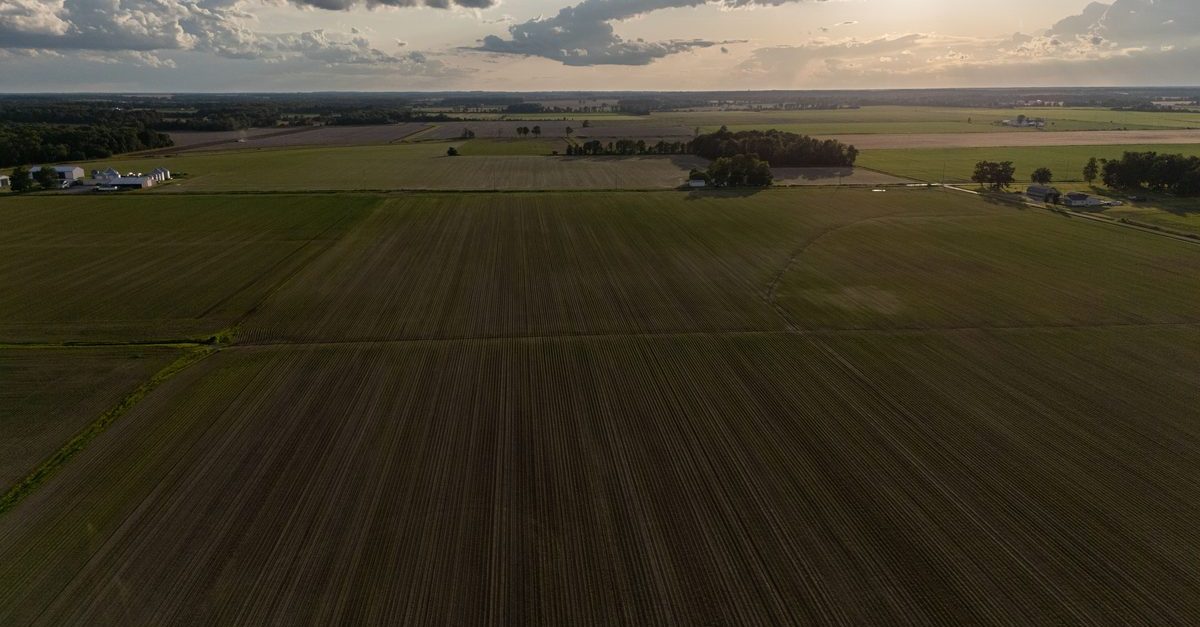
Getting an agricultural exemption in Smith County means working with the Smith Central Appraisal District (Smith CAD) in the heart of East Texas timber country. Smith County sits in the Piney Woods region where pine and hardwood forests cover rolling hills, and timber production is as traditional a qualifying use as cattle grazing. But the county's agricultural economy extends well beyond trees into poultry, nursery crops, beef cattle, and hay production.
The Tyler metropolitan area has experienced steady growth over the past decade, pushing suburban development into historically agricultural and timber-producing areas. This development pressure makes the 1-d-1 agricultural valuation more valuable than ever. With an average county tax rate of 1.85 percent and a gap of more than $8,300 per acre between market value and agricultural productivity value, the annual savings on a qualifying 50-acre tract can exceed $7,500.
If you own 10 or more acres in Smith County, agricultural valuation can reduce your property tax burden by 70 to 90 percent on qualifying land. This guide covers what Smith CAD requires, how degree of intensity standards work for different agricultural uses, what qualifies for special valuation, and how to file your 1-d-1 application before the April 30 deadline.
How Does the Smith County Ag Exemption Work?
The agricultural exemption in Texas is a special method of property appraisal under Article 8, Section 1-d-1 of the Texas Constitution. Under this provision, qualified open-space land is valued based on its agricultural productivity rather than its full market value. For Smith County landowners, this distinction is especially important because Tyler's growth has pushed land values to levels that bear no relation to agricultural income.
Smith CAD uses productivity values calculated by the Texas Comptroller's office, adjusted for East Texas Piney Woods conditions. The classifications include native pasture, improved pasture, dry cropland, and timberland. The appraised productivity value for native pasture in the Piney Woods region has historically been in the range of $90 to $140 per acre, compared to market values that can exceed $8,000 per acre for larger tracts and much more for smaller parcels near the Tyler city limits or Lake Palestine.
To qualify for 1-d-1 valuation, your land must satisfy three criteria. First, the land must be devoted principally to a qualifying agricultural use. Livestock grazing, hay production, timber production, crop cultivation, beekeeping, and wildlife management all qualify. Second, your agricultural use must meet the degree of intensity generally accepted in Smith County. Smith CAD establishes these standards for each type of agricultural use based on soil type, rainfall, growing season, and regional practices. Third, you must file a completed 1-d-1 application with Smith CAD by April 30 of the current tax year.
Smith County also offers the older 1-d appraisal method, which is more restrictive. Under 1-d, the owner must be an individual, agriculture must be the owner's occupation or business venture for profit and the primary source of income, and the land must have been in agricultural use for the three years immediately preceding the application. Most Smith County landowners use the 1-d-1 method because it does not require agriculture to be the primary business and it allows ownership through LLCs, corporations, trusts, and partnerships. Both methods have a prior use requirement: 1-d-1 requires agricultural use in five of the preceding seven years.
What Are the Minimum Acreage Requirements in Smith County?
Smith County requires a minimum of 10 acres to qualify for agricultural valuation. This minimum applies across most agricultural use types, including livestock grazing, hay production, and timber management. For beekeeping, the minimum is 5 acres with a specific hive density requirement of at least 6 colonies.
The 10-acre minimum is consistent with other East Texas counties, but Smith CAD evaluates each application based on the specific agricultural use and the characteristics of the individual tract. A 10-acre property in the deep alluvial soils along the Neches River has a much higher carrying capacity than a steep 10-acre tract in the dissected terrain west of Tyler. Smith CAD field inspectors account for these differences during site visits and factor them into degree of intensity determinations.
For livestock grazing, which remains the most common agricultural use in Smith County, the appraisal district evaluates animal unit thresholds. One animal unit equals one mature cow and calf, one horse, five sheep, or six goats. The specific animal unit minimum depends on the carrying capacity of the individual property. In the Piney Woods region, Smith CAD generally expects approximately 1 animal unit per 4 to 5 acres of improved pasture or 1 animal unit per 8 to 12 acres of native or wooded pasture. These are regional guidelines, and the actual stocking rate for your specific property depends on soil quality, forage type, and management practices.
For smaller acreage tracts that include a homesite, Smith CAD generally treats the homesite as a separate land segment under the homesite cap provisions of the Texas Property Tax Code. Only the portion of land actually devoted to agricultural use receives the productivity valuation. The homesite and any non-qualifying acreage such as roads, barns, or recreational areas are appraised at market value.
Timber and Poultry: Smith County's Signature Agricultural Uses
Smith County sits at the center of the East Texas Piney Woods, one of the most productive timber regions in the southern United States. Managed pine timber production is a well-established qualifying use for 1-d-1 valuation, and Smith CAD is thoroughly accustomed to evaluating timber operations. This makes timber one of the most straightforward ag exemption pathways in the county.
A timber operation requires a written forest management plan that describes the species, planting or regeneration methods, thinning schedule, and expected rotation length. Typical rotations for loblolly pine in East Texas run 25 to 35 years depending on the management objectives. Unlike annual agricultural uses that must show active use every year, timber is evaluated over the rotation cycle. Smith CAD expects to see evidence of active management during the growing cycle: site preparation, planting or natural regeneration, controlled burning for fuel reduction, thinning at the appropriate intervals, and harvest records when timber is sold.
The second major agricultural industry in Smith County is poultry production. Broiler chicken operations under contract with major integrators such as Tyson Foods and Pilgrim's Pride are common throughout the county. Poultry houses are considered agricultural improvements and contribute to the intensity of agricultural use on the property. Smith CAD will typically require contract documentation showing the grower agreement with the integrator as part of the application. The presence of active poultry houses on a tract is strong evidence of agricultural use, even on parcels with limited acreage in row crops or pasture.
Livestock Requirements for Smith County
Smith CAD evaluates livestock operations using the animal unit method, which standardizes different types of livestock into comparable grazing units. Your land must be stocked at a level consistent with what a prudent manager in the East Texas Piney Woods would maintain. This means not just owning livestock, but managing them with proper fencing, rotational grazing, water access, and documented health care.
Smith County's soils and terrain present both opportunities and challenges for livestock operations. The deep, sandy, acidic Ultisols typical of the Piney Woods support good forage when properly managed with lime and fertilizer. Improved pastures of bermudagrass and bahiagrass can carry approximately 1 animal unit per 4 to 5 acres. Native or wooded pastures, which are more common on larger tracts in the eastern part of the county, carry roughly 1 animal unit per 8 to 12 acres.
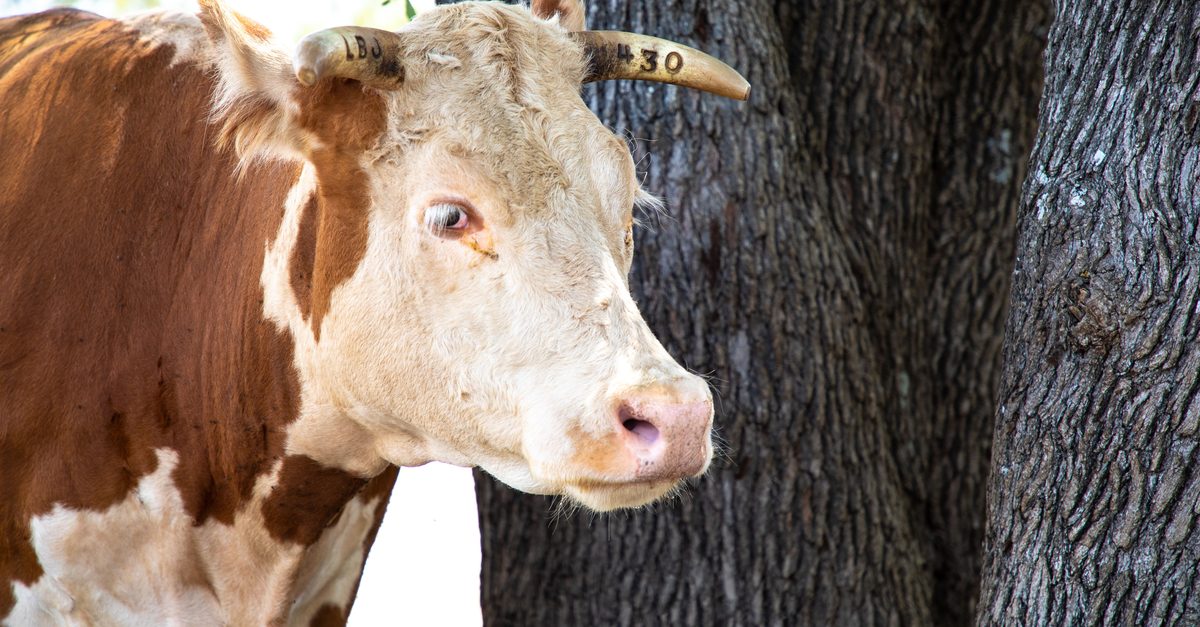
Common livestock in Smith County include beef cattle (cow-calf operations are the most common type), goats, and sheep. Horses kept on property for personal use can qualify toward the agricultural use standard but may receive additional scrutiny from appraisers to confirm they are part of a genuine agricultural operation rather than recreational keeping.
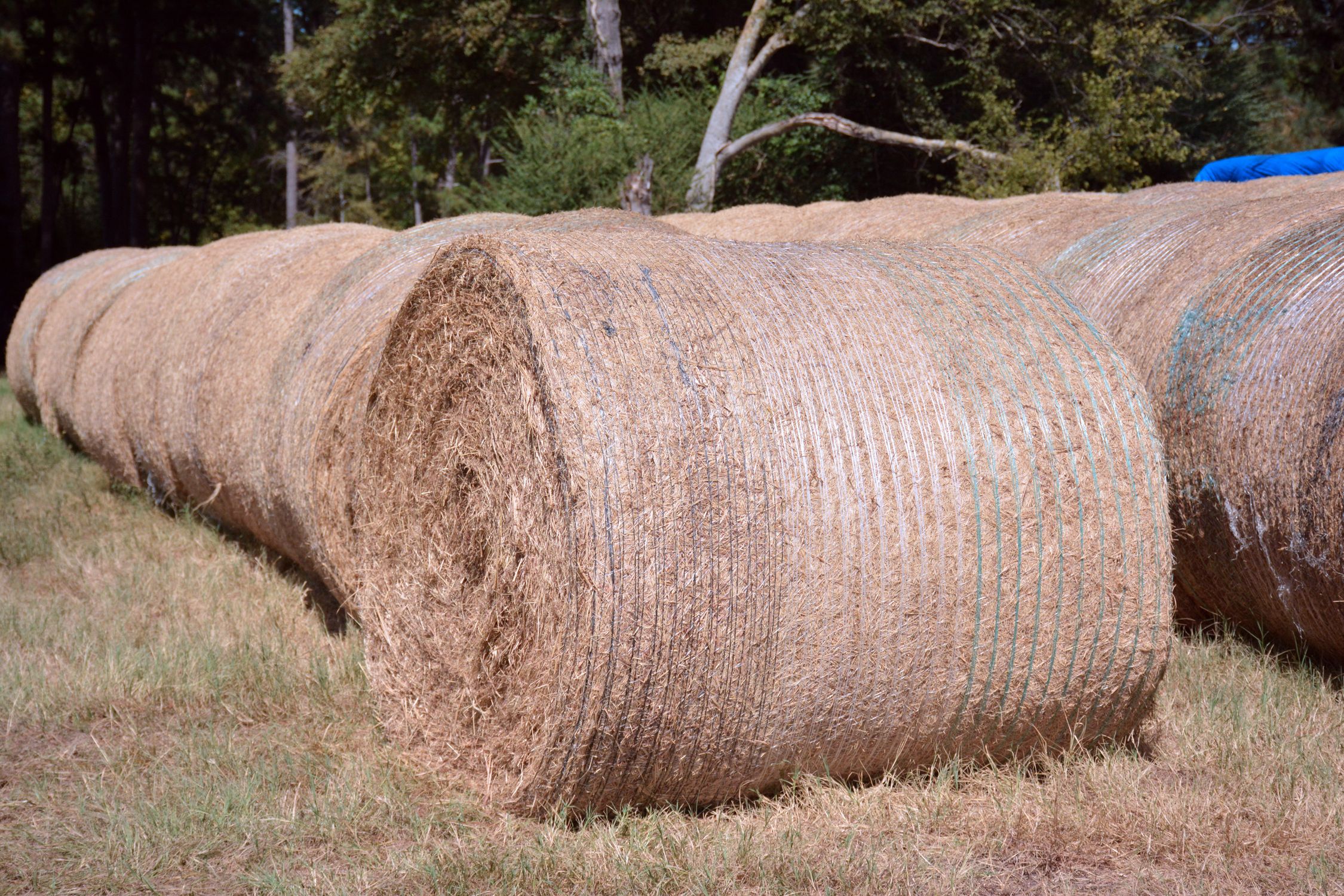
Smith CAD may also accept hay production as a standalone agricultural use, particularly on cleared bottomland along creeks and rivers where the deep soils produce high yields. A hay operation requires evidence of regular cutting, baling, and either use on site or sale records. The degree of intensity standard for hay land typically expects at least one cutting per year with fertilizer and weed management.
Beekeeping as a Qualifying Use in Smith County
Beekeeping is an available and increasingly popular qualifying use in Smith County, particularly on smaller acreage tracts where livestock may not be practical. The county requires a minimum of 5 acres and 6 hives. For tracts between 5 and 20 acres, Smith CAD generally expects one additional hive per acre over the 5-acre minimum.
East Texas provides excellent year-round forage for honey bees. Wildflowers, clover, and Chinese tallow trees (despite being an invasive species) produce abundant nectar through the spring and summer months. Tyler's status as the Rose Capital of America means a significant nursery and horticulture industry that benefits from healthy bee populations.
Registration with the Texas Apiary Inspection Service (TAIS) is voluntary. Texas Agriculture Code 131.045 says a beekeeper "may register," and TAIS states that it does not collaborate with local county offices to mandate registration. It costs $35 a year. Smith CAD may ask for a TAIS registration number, and having one is useful supporting evidence, but it is not a legal precondition for the exemption. Either way, maintain records of honey harvests, hive inspections, and any colony purchases or splits.
Wildlife Management Conversion in Smith County
Smith County offers wildlife management as a qualifying open-space use under 1-d-1, but it requires an existing agricultural valuation. This means you cannot qualify directly for wildlife management on raw land. The typical path is to establish an agricultural use first, obtain the 1-d-1 valuation, and then apply to convert to wildlife management.
The abundant native habitat in the pine-hardwood forests of Smith County supports wildlife management conversions. White-tailed deer, eastern wild turkey, squirrels, and a wide variety of songbirds and waterfowl are present throughout the county. Smith CAD requires at least 10 acres and a minimum of 3 wildlife management practices from the list approved by the Texas Parks and Wildlife Department. Common practices in the Piney Woods include prescribed burning, brush pile construction, food plot establishment, and native habitat enhancement.
The conversion to wildlife management can be advantageous for landowners who want to maintain their property tax savings while reducing the time and expense associated with active livestock or timber operations. However, you must implement and document the wildlife management practices annually. A written wildlife management plan is required.
How to Apply for Your Smith County Ag Exemption
The application process for a Smith County agricultural exemption begins with Smith CAD, located at 245 South Southeast Loop 323 in Tyler. You can reach the appraisal district by phone at (903) 510-8600 or visit their website at smithcad.org.
The primary application form is Form 1-D-1 (Application for 1-d-1 Agricultural Use Appraisal). This form is available from the Smith CAD website or the Texas Comptroller's office. The standard deadline is April 30 of the tax year for which you are applying. Late applications may be accepted until the appraisal review board approves the appraisal records, but filing by April 30 avoids any risk of delay.
When you apply, Smith CAD will schedule a field inspection of your property. The field inspector will evaluate the agricultural use, the condition of improvements such as fences and water systems, and the overall degree of intensity of your operation. This inspection is a critical step in the process. Having visible evidence of agricultural activity at the time of inspection is essential.
If the use of your land changes and Smith CAD removes the agricultural valuation, you face a rollback tax. The rollback covers the difference between the taxes paid under agricultural valuation and what would have been owed at market value, for the three years preceding the year of the change. The change-of-use year itself is not included, and no interest is added to the penalty. HB 1743 cut the lookback from five years to three effective September 1, 2019, and HB 3833 deleted the interest provision effective June 15, 2021. Timber land under Subchapter E works the same way after HB 3833 amended Tax Code 23.76(a).
Smith County Agricultural Profile
Smith County's agricultural landscape is defined by the East Texas Piney Woods. The county receives approximately 47 inches of annual rainfall with a 275-day growing season, creating favorable conditions for a diverse range of agricultural enterprises. The soils are primarily deep, sandy, acidic Ultisols that respond well to liming and fertilization for pasture production, and they support fast-growing pine timber.
The dominant agricultural sectors in Smith County include beef cattle operations, hay production, timber management (both pine and hardwood), poultry production under broiler contracts, nursery and horticulture operations centered around Tyler, and horses. The Tyler metropolitan area is historically significant as the Rose Capital of America, and the nursery industry remains economically important.
Landowners in Smith County should be aware that Tyler's ongoing growth is pushing suburban development into traditionally agricultural areas. Small acreage tracts near the city limits face increased scrutiny from Smith CAD, and new landowners should be prepared with thorough documentation of their agricultural use from the outset. Poultry operations are a strong qualifying use but require contract documentation with the integrator. Timber production remains one of the most straightforward pathways due to Smith CAD's extensive experience evaluating these operations.
For parcels with the right soils and native habitat, wildlife management conversions offer a way to maintain property tax savings with less intensive annual management. However, the requirement for an existing agricultural valuation means this is a second-step strategy, not a first-year option. Consulting with a qualified property tax professional who understands Smith CAD's standards can significantly improve your application's chances of approval.
Sources
This reflects Texas law as of August 2026, including HB 1743 (86th Legislature, effective September 1, 2019), which cut the open-space rollback from five years to three, and HB 3833 (87th Legislature, effective June 15, 2021), which removed rollback interest entirely.
- Texas Tax Code Section 23.51 - qualified open-space land, degree of intensity, and the 5 to 20 acre beekeeping band
- Texas Tax Code Section 23.54 - application requirements; the statute says "before May 1," which makes April 30 the last valid day
- Texas Tax Code Section 23.55 - additional tax on change of use, three preceding years, no interest
- HB 1743 (86th Legislature) and HB 3833 (87th Legislature)
- Manual for the Appraisal of Agricultural Land - the Comptroller's appraisal methodology
- Form 50-129 - the 1-d-1 open-space application
Verified August 6, 2026. The statutory rules above are statewide. Minimum acreage, hive schedules, stocking rates, and productivity values are local standards set by Smith CAD and change year to year, so confirm current figures with the district before filing.