Montgomery County ag exemption: 1-d-1 requirements, minimum acreage, and MCAD filing process
Montgomery Central Appraisal District requires 10 acres minimum for 1-d-1 agricultural appraisal. Here is the complete filing process, degree of intensity standards, and deadline information for Montgomery County landowners.
Montgomery County sits at the northern edge of the Houston metropolitan area, where suburban development meets working ranch and timberland. The Montgomery Central Appraisal District (MCAD) processes agricultural valuation applications under Texas Tax Code Section 23.51 (1-d-1), and the standards here reflect the county's dual character: enough agricultural history to support traditional livestock and hay operations, but enough development pressure that MCAD applies its degree-of-intensity rules consistently.
If you own 10 or more acres in Montgomery County and want to reduce your property tax bill by 70 to 90 percent, the 1-d-1 agricultural appraisal is your primary tool. This guide covers the acreage thresholds, qualifying activities, documentation requirements, and filing process specific to MCAD.
Requirement 1: Meet the minimum acreage and land use history threshold
MCAD requires a minimum of 10 acres for a standard agricultural exemption under 1-d-1. This is consistent with most Central Texas appraisal districts and applies to livestock grazing, hay production, and timber operations. Beekeeping exemptions may qualify on tracts as small as 5 acres, but the county expects documented apiary activity at commercial intensity.
Five-of-seven-year rule. Your land must have been used for qualifying agricultural purposes in at least five of the past seven years. If you recently purchased the property, you can carry over the previous owner's use history as long as the agricultural use has continued without interruption. MCAD asks for the prior owner's name, the sale date, and the last year of qualifying use on its intake forms.
New landowner exception. If you are converting raw land or previously residential acreage to agricultural use for the first time, you cannot qualify immediately. MCAD expects you to begin qualifying agricultural activity and file an application after establishing the five-year history. Some landowners start with timber planting or a conservation program to begin building their history.
Requirement 2: Choose a qualifying agricultural activity that matches MCAD's standards
Montgomery County recognizes five primary paths to agricultural valuation. Each has specific degree-of-intensity requirements that MCAD's appraisers check.
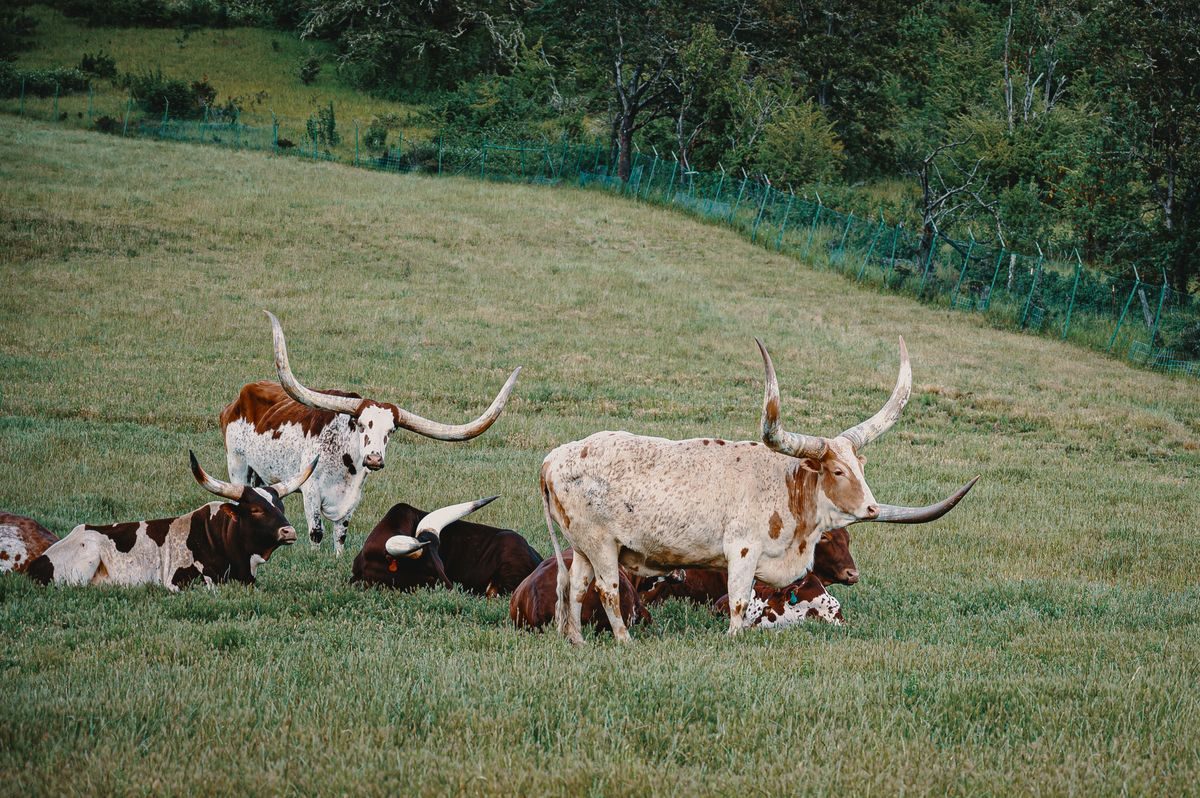
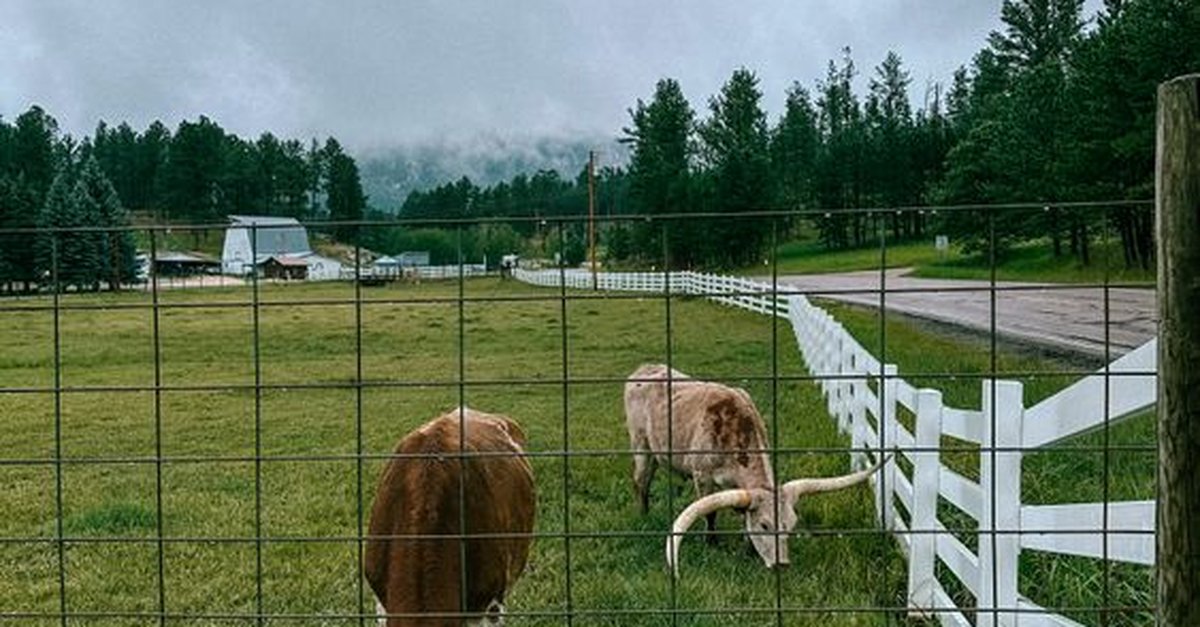
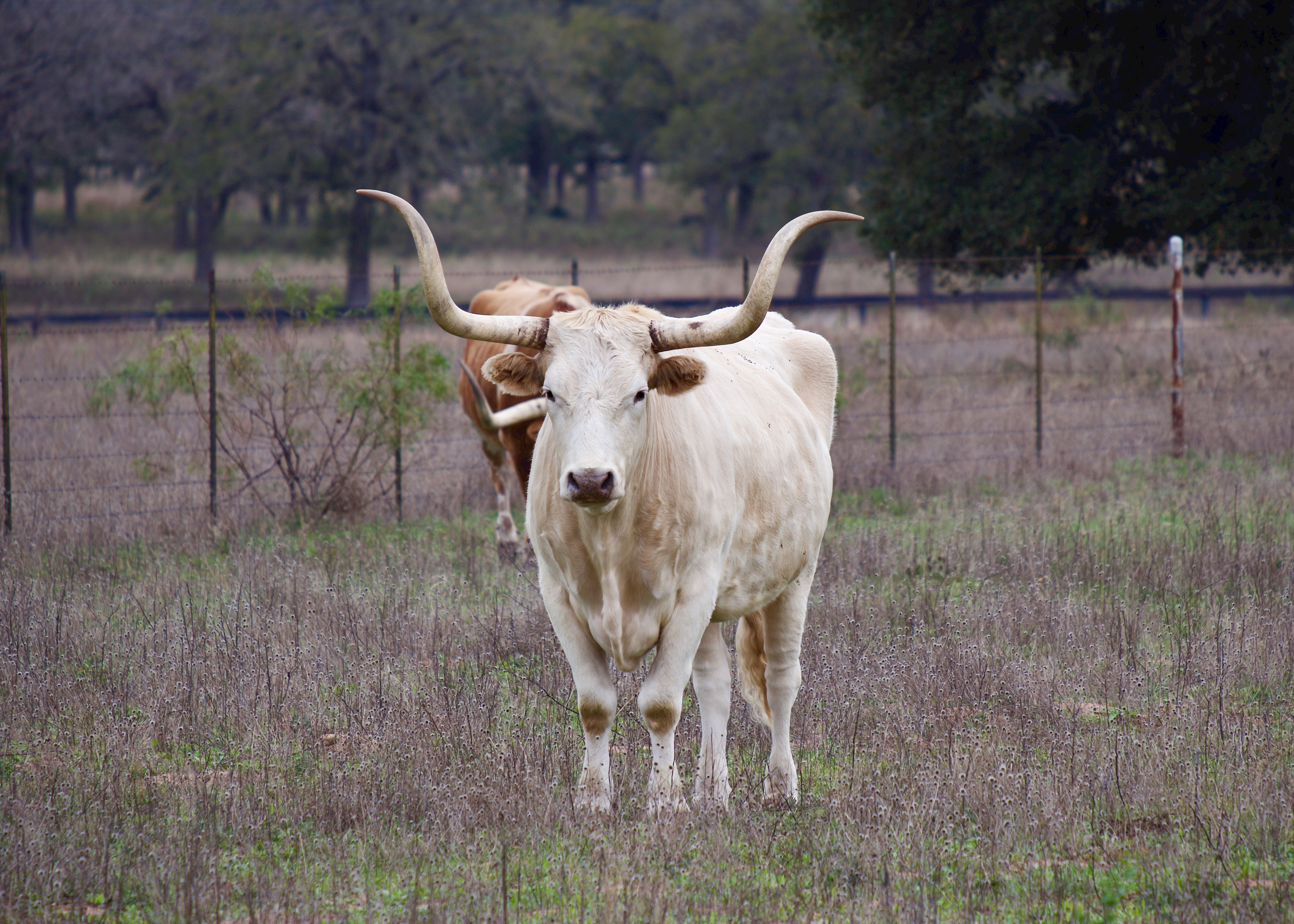
Livestock grazing. Cattle operations are the most common agricultural use in Montgomery County. MCAD applies NRCS-published stocking rate tables for the Piney Woods and Post Oak Savannah ecological regions that overlap the county. For a 10-acre tract, the expected stocking rate is approximately one animal unit per 10 to 15 acres depending on soil quality and forage condition. MCAD appraisers may request a grazing plan or inspect fence condition and water access during the review period.
Hay production. Coastal bermudagrass is the primary hay crop in Montgomery County. MCAD expects a minimum of 10 acres in active production with documented harvest records. The district considers haying a qualifying use only when the operator can show at least one cutting per year with evidence of baling or sale. Land used solely for occasional mowing without baling does not meet the intensity standard.
Timber production. Given Montgomery County's location in the Sam Houston National Forest region, timber is a significant qualifying use. MCAD accepts managed pine and hardwood stands under a written forest management plan. The minimum acreage for timber is also 10 acres, but the district applies a longer qualification window: the land must have been in timber production for at least five of the past seven years, and the management plan must specify a harvest rotation schedule. This is often the best path for larger tracts in the northern part of the county near the national forest, where traditional livestock infrastructure may not exist. See our timber exemption guide for more details on forest management plans.
Beekeeping. The beekeeping exemption in Montgomery County allows qualification on tracts as small as 5 acres, but the intensity standard is higher than some neighboring counties. MCAD expects at least six hives on the minimum acreage with documented honey extraction and hive management records. The hives must be maintained from March through September at minimum. Hobby bee colonies with one or two hives do not meet the standard.
Wildlife management. Land already receiving 1-d-1 agricultural valuation can convert to wildlife management use under Texas Tax Code Section 23.51. Montgomery County accepts wildlife management plans through TPWD's standard template. Qualifying activities include habitat control, erosion control, predator management, supplemental water or food, and census counts. The minimum acreage follows the same 10-acre threshold, and MCAD requires an annual activity report to maintain the designation.
Requirement 3: File the correct forms with MCAD before April 30
All 1-d-1 applications must reach the MCAD office by April 30 of the tax year. Late applications may still be accepted until the appraisal review board approves the records, but they carry a penalty of 10 percent of the tax savings.
Required documents. MCAD's standard intake packet includes:
- Completed Application for 1-d-1 (Open-Space) Agricultural Use Appraisal
- Property description or parcel map showing acreage
- Documentation of qualifying agricultural use for five of the past seven years
- Supporting evidence specific to your activity type (grazing records, hay receipts, timber management plan, hive inspection reports, or wildlife management plan)
- Affidavit of prior agricultural use if you recently purchased the property
MCAD filing locations. The primary office is at 109 Gladstell St, Conroe, TX 77301. Applications can be submitted in person, by mail, or through MCAD's online portal at mcad-tx.org. The downtown Conroe office has a dedicated intake counter for agricultural applications. Counter staff do not review the substance of your application at intake, only that all required forms are present. The appraiser review happens after filing.
Requirement 4: Meet MCAD's degree-of-intensity standard
The degree-of-intensity standard is the most common reason MCAD rejects applications. Texas Tax Code Section 23.51 requires that agricultural use be the primary purpose of the land and that the level of activity is typical for the region. MCAD applies this standard more strictly in the southern part of the county near The Woodlands and Spring, where development pressure raises the bar for what counts as bona fide agricultural use.
What MCAD looks for. Appraisers consider the number of animal units per acre for grazing, the documented hay yield per acre for hay production, or the standing timber volume per acre for forestry. They also consider the improvements on the property. A tract with a large residential house, swimming pool, and manicured lawn next to a small pasture raises questions about whether agriculture is the primary use. MCAD may deny or reduce the agricultural valuation if the residential improvements cover a disproportionate share of the tract.
Share leases. MCAD accepts share lease arrangements where a landowner contracts with a neighboring rancher to graze cattle or produce hay. The lease agreement must be in writing, specify the terms of the agricultural operation, and demonstrate that the tenant is actively using the land. Passive lease arrangements where the tenant does not actually run livestock or cut hay do not qualify.
Requirement 5: Understand the neighboring county differences
Montgomery County's approach differs from its neighbors in several ways that matter if you own land near the county line.
Walker County to the north applies a lower minimum acreage of 5 acres for standard agricultural use but requires more intensive documentation of agricultural income. Walker County also accepts a broader range of alternative agricultural activities such as Christmas tree farming.
Harris County to the south has no minimum acreage but applies its degree-of-intensity standard much more aggressively, routinely auditing small tracts under 20 acres. MCAD is less aggressive on audits but stricter on the five-of-seven-year history requirement.
Liberty County to the east is more lenient on documentation for traditional cattle operations, accepting oral affidavits where MCAD insists on written receipts and grazing plans.
If your property straddles a county line or you are considering a purchase in the area, confirm the specific appraisal district rules before you file. MCAD's rules are moderate compared to Harris County but stricter than Liberty County in the documentation they require.
How MCAD handles timber conversion
Montgomery County's timber heritage makes the timber-to-wildlife conversion path especially relevant here. Land that qualifies for 1-d-1 through timber production can convert to wildlife management without restarting the five-year history clock. This is attractive for landowners who have harvested timber and want to transition to a lower-effort wildlife designation.
The conversion process. MCAD requires a TPWD-approved wildlife management plan filed within one year of the final timber harvest. The plan must include at least three of the seven qualifying wildlife management activities. Once approved, the land retains its agricultural valuation without needing to replant timber or introduce livestock.
Practical note. Timber management plans typically require a professional forester's signature. MCAD accepts plans certified by a Registered Professional Forester or a TPWD biologist. The cost of a professional plan ranges from $500 to $1,500 depending on the tract size, which is a fraction of the annual tax savings for most 20-acre-plus tracts.
Common filing mistakes that delay MCAD approval
MCAD's counter staff see the same errors year after year. Avoiding these saves a return trip or a denial letter.
Incomplete history documentation. The most common rejection is insufficient proof of five-of-seven-year agricultural use. For a recent purchase, bring the previous owner's tax records showing the agricultural classification or a signed affidavit. For land that was fallow, you need to show the date when qualifying use resumed.
Wrong parcel description. MCAD requires the exact parcel identification number from your tax statement. A general legal description without the parcel ID number may be returned for correction. Check your most recent tax bill for the correct number before filing.
No supporting records for new activities. If you started a hay or cattle operation in the past year, bring receipts for seed, fertilizer, hay baling services, or livestock purchases. Verbal claims without receipts do not satisfy MCAD's documentation standard.
Missing signature. The application requires the owner's signature. For jointly owned property, all owners must sign or a single owner must provide written authorization from the others.
MCAD contact information and resources
Montgomery Central Appraisal District 109 Gladstell St, Conroe, TX 77301 Phone: (936) 756-3354 Website: mcad-tx.org Filing deadline: April 30 Minimum acreage: 10 acres (standard), 5 acres (beekeeping)
For additional guidance on Texas property tax exemptions, see our complete guide to agricultural valuation in Texas and our interactive county lookup tool to compare Montgomery County's rules with neighboring appraisal districts.
If you need help preparing your MCAD application or choosing between livestock, timber, or wildlife management for your tract, our consultant directory lists professionals who work with Montgomery County landowners.