Texas Property Tax Relief for Natural Disaster Damage
Flood or storm damage on Texas land may qualify for a temporary exemption. Learn the 15% damage test, the 105-day deadline, and how to file with your CAD.
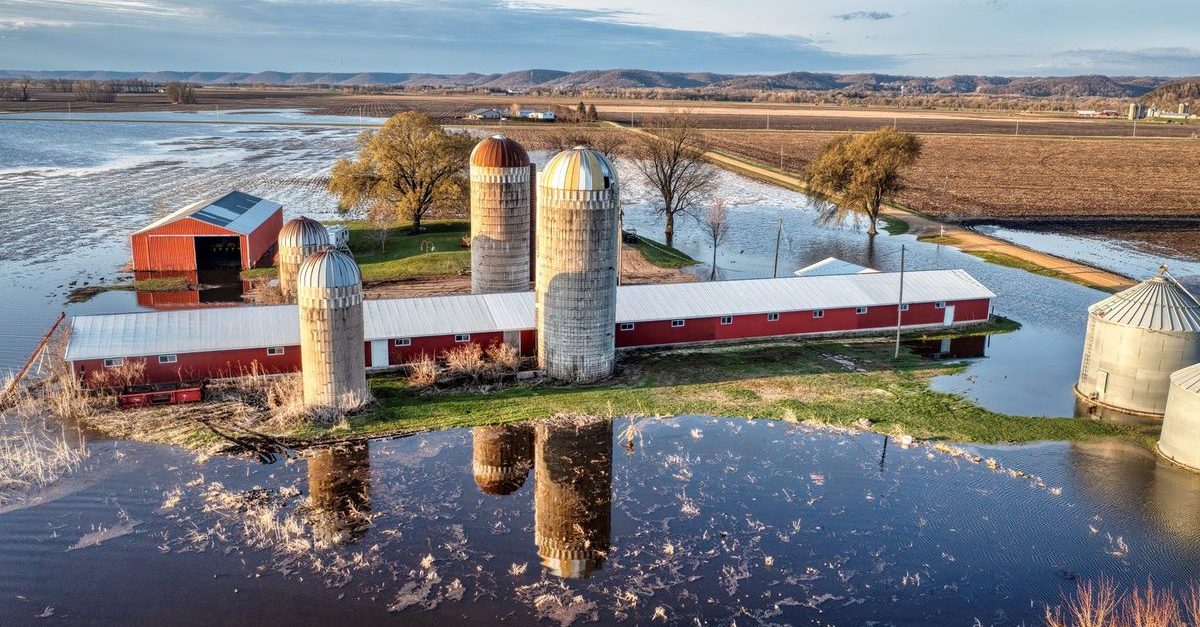
Texas property tax relief after natural disaster damage comes in four remedies: a temporary exemption for damaged improvements and equipment, homestead fire and rebuild protections, installment payments, and drought protection for agricultural valuation. None is automatic. Each has its own damage test and deadline, all documented on the Comptroller's disaster property tax page.
INFO
The headline rule: qualified property that is at least 15 percent damaged by a disaster in a governor-declared disaster area can receive a temporary exemption of part of its appraised value under Tax Code Section 11.35, and you must apply to your appraisal district no later than 105 days after the governor declares the disaster area.
What You Need Before You Start
Work from documents, not memory. The chief appraiser decides each claim on evidence, and the Comptroller's disaster guidance says the chief appraiser may also rely on a county emergency management authority or FEMA when assigning your damage rating. Gather the following before you contact your county appraisal district:
- Your CAD account number and current appraisal record. Pull your most recent notice, and read our guide to reading your Texas property tax bill so you know what each line means before you ask for changes.
- Proof of the condition before the disaster. Photos, prior insurance appraisals, equipment inventories, and depreciation schedules for machinery.
- Proof of the damage. Dated photos and video from multiple angles, adjuster reports, contractor estimates, and any FEMA or county damage inspection.
- The disaster declaration date. Find the date the governor declared your county a disaster area. Most clocks in this guide run from that date, not from the day of the storm.
- Income records for damaged income property. The Section 11.35 exemption covers tangible personal property used for income production, so be ready to show the equipment or improvements produced income.
How Does the Temporary Disaster Exemption Work?
Tax Code Section 11.35 is the workhorse remedy. A qualified property must be at least 15 percent damaged by a disaster in a governor-declared disaster area, according to the Comptroller's disaster page. Qualified property includes tangible personal property used for income production, improvements to real property, and certain manufactured homes. Bare land that simply got wet is not on that list.
The chief appraiser assigns your property one of four damage assessment levels, and the level sets the exempted share of appraised value, with every figure per the Comptroller's disaster page:
| Level | Damage assessment | Damage description | Exemption percentage |
|---|---|---|---|
| I | 15% to under 30% | Minimal, may continue to be used as intended | 15% |
| II | 30% to under 60% | Nonstructural damage, waterline under 18 inches above floor | 30% |
| III | 60% to under 100% | Significant structural damage, waterline 18 inches or more above floor | 60% |
| IV | 100% | Total loss, repair not feasible | 100% |
Two details surprise most owners. First, the exemption is prorated: the appraised value after the damage rating is multiplied by the number of days remaining in the tax year after the disaster declaration, divided by 365, per the Comptroller's disaster page. A July flood cuts roughly half a year of taxable value; a December flood cuts much less. Second, the exemption is temporary by design and expires on January 1 of the first tax year in which the property is reappraised.
How to Apply for Disaster Damage Relief, Step by Step
Work these steps in order, and mark the deadline the day the declaration is announced. Filing dates like this one belong on the same list as the events in our 2026 Texas property tax deadline calendar.
- Confirm your county is in the declaration. The exemption applies only inside a governor-declared disaster area; a neighboring county's declaration does not cover your acreage.
- Photograph everything before cleanup. Damage your crew fixes before documenting is damage the chief appraiser may not be able to verify. Shoot wide for location and close for detail, with dates.
- Request a damage assessment from your CAD. Ask how the district is handling assessments for the declaration, and use the Comptroller's form 50-312, Temporary Exemption Property Damaged by Disaster, which most districts accept as the standard application.
- File no later than 105 days after the declaration. Late applications are generally denied.
- Support your claimed level with evidence. The difference between Level I and Level II doubles the exempted share, per the table above, so bring adjuster reports and contractor estimates that speak to structural condition and waterline height, the two facts the rating scale keys on.
- Watch for the written decision. The chief appraiser must send written notice of approval, modification, or denial no later than five days after making the determination, per the Comptroller's disaster page.
- Appeal a rating that undervalues your damage. Your next step is the appraisal review board process we cover in our guide to protesting your Texas property tax appraisal.
What Extra Protections Do Homestead Owners Get?
The Section 11.35 exemption targets improvements and income property, but a destroyed or uninhabitable home triggers separate rules from the Comptroller's disaster guidance, each with its own clock:
- Fire destruction of a homestead improvement. Tax Code Section 11.351 exempts a homestead improvement completely destroyed by fire, if it was habitable immediately before the fire and remains uninhabitable for at least 30 days after. File with your appraisal district no later than 180 days after the fire.
- Keeping your homestead exemption while you rebuild. Tax Code Section 11.135 lets the exemption continue while you construct a replacement if casualty or wind or water damage made your home uninhabitable, you intend to return, and you claim no homestead elsewhere. Outside a disaster area you must begin active construction or site preparation within one year, and the continuation cannot exceed two years; in a governor-declared disaster area both windows stretch to five years per the Comptroller's disaster page. Rule 9.416 requires notice to the appraisal office within 30 days after eligibility ends, and selling before the replacement is complete triggers additional taxes and interest.
- The 10 percent homestead cap during rebuilds. Per the Comptroller's disaster page, a replacement structure is not a new improvement under Tax Code Section 23.23 unless its square footage exceeds the original or its exterior is of higher quality construction, so building back modestly should not reset your capped value.
- Over-65 and disabled owners. The tax limitations for elderly or disabled homesteads can continue onto the replacement structure under the same conditions, which matters for owners relying on the over-65 exemption.
Can You Pay Property Taxes in Installments After a Disaster?
Cash-flow relief is its own remedy. Tax Code Section 31.032 lets homeowners, certain other residential property owners, and small businesses with property damaged as a direct result of a declared disaster or emergency pay in four installments, as described on the Comptroller's disaster page. The first payment and notice of the plan must arrive before the delinquency date, usually February 1, with the rest due before April 1, June 1, and August 1, with no penalty or interest, per the Comptroller's disaster page. Miss one installment and the page says penalty and monthly interest resume.
The small business definition is a receipts threshold the Comptroller's office adjusts annually for inflation, listed year by year on the Comptroller's disaster page, which puts the 2026 limit at $7,744,614. A separate provision, Tax Code Section 31.033, lets a taxing unit in a declared area offer the same plan to qualifying businesses whose property was not damaged. If your operation runs ranch equipment, a hay business, or leased improvements, ask your collector about both before the delinquency date passes.
Does Drought Have to Break Your Ag Valuation?
Floods get cameras; droughts quietly threaten the 1-d-1 open-space valuation that keeps ranch land taxes low. Tax Code Section 23.522 says your land does not lose open-space eligibility simply because it temporarily stops meeting the normal degree of intensity of agricultural use when a governor-declared drought creates an agricultural necessity to extend the time the land is out of production, provided you intend to resume, per the Comptroller's disaster page.
Practically, restocking decisions, deferred planting, and reduced stocking rates during a declared drought should not, by themselves, cost you your agricultural valuation. Keep a log: cull and sale dates, rainfall and water supply conditions, grazing plans, and your plan to resume. When your chief appraiser reviews the parcel in a rough year, the file speaks for you. If drought makes grazing unsustainable long term, wildlife management valuation is often the lower-maintenance path on the same acreage, and our wildlife management plan guide covers the seven-practice test.
WARNING
None of these remedies fixes the underlying appraisal. A disaster exemption reduces taxable value for the declared year; it does not correct a market value appraisal that was too high before the storm. If your land was over-assessed, the July protest deadline is still the deadline, and the process is in our ag appraisal protest guide.
How Do You Verify the Relief Actually Applied?
Do not assume any of this happened just because you filed. The verification loop is short and worth ten minutes:
- Confirm the rating letter. Hold the chief appraiser's written decision on your Section 11.35 claim. If the level does not match your evidence, escalate to the appraisal review board promptly rather than waiting for the tax bill.
- Read the tax bill when it arrives. The exemption should appear as a line reducing taxable value, prorated to the days remaining after the declaration. A missing or wrong line is a protest issue with its own deadlines.
- Calendar the installment schedule. If you elected the four-installment plan, diary every date before the first payment leaves your account.
- Re-check after rebuild or reappraisal. The temporary exemption dies on January 1 of the first reappraised tax year, so expect it to disappear from a post-rebuild notice. Make sure the new value reflects rebuilt reality, and re-run your numbers with the savings estimator once your valuation changes.
Frequently Asked Questions
Does the disaster exemption cover bare land? No. The Comptroller's disaster page limits the Section 11.35 temporary exemption to tangible personal property used for income production, improvements to real property, and certain manufactured homes. Damage to bare acreage is addressed, if at all, through an appraisal protest.
My county was declared, but my ranch was not flooded. Can I still claim? Not for damage relief, because your property itself must meet the minimum damage test described on the Comptroller's disaster page. Undamaged businesses in a declared area may still qualify for the installment payment option, and the declaration may have brought filing extensions for other taxes.
Is the deadline from the storm or the declaration? From the governor's declaration of the disaster area, which the Comptroller's disaster page fixes at 105 days out for the Section 11.35 application. Declarations sometimes follow storms by days or weeks, which works in your favor, but the clock is fixed once the declaration issues.
What if the rebuild will take years? Outside a disaster declaration you have one year to start construction and two years of continued homestead exemption; a governor-declared disaster area stretches both windows, per the Comptroller's disaster page. Notify the appraisal office within 30 days after eligibility ends, as Comptroller Rule 9.416 requires.
Does claiming disaster relief risk my ag exemption? The Section 11.35 exemption on improvements and equipment does not touch your 1-d-1 land valuation. For drought specifically, Section 23.522 protects temporary interruptions in agricultural intensity during a declared drought. Document your intent to resume, and keep those records in the same file as your exemption claim.
Where to Go Next
Confirm your disaster-declaration date, count forward the filing window today, and pull your district's contacts from the county appraisal district directory. If your bigger problem is an appraisal that ran ahead of the market before the storm, work the protest steps in order. And if the disaster has you reconsidering how the land is used, compare agricultural and wildlife valuation before the next application window closes.
Sources
Rules summarized here come from the Texas Comptroller of Public Accounts page on property taxes in disaster areas and during droughts, plus the Tax Code sections that page cites (Sections 11.35, 11.351, 11.135, 23.23, 23.522, and 31.032), verified on October 12, 2026. The gross receipts threshold for installment payments is adjusted annually for inflation; the $7,744,614 figure is the 2026 limit in the Comptroller's published schedule.
- Property Taxes in Disaster Areas and During Droughts, Texas Comptroller - damage rating levels, filing deadlines, homestead continuation rules, installment payments, drought protection, and the 2026 receipts threshold
- Form 50-312, Application for Temporary Exemption for Property Damaged by Disaster (PDF) - the standard application and its deadline language
- Texas Property Tax Code, Chapter 11 (statutes.capitol.texas.gov) - the statutory text for Sections 11.35, 11.351, and 11.135
Verified October 12, 2026. Declaration-specific deadlines move with each disaster; confirm dates with your appraisal district before relying on any clock in this guide.