Texas Land Clearing Services: Tax-Smart Tips for Ag Landowners
Land clearing services can save or cost Texas landowners thousands in property taxes. Here's how to clear land while keeping your ag exemption intact.
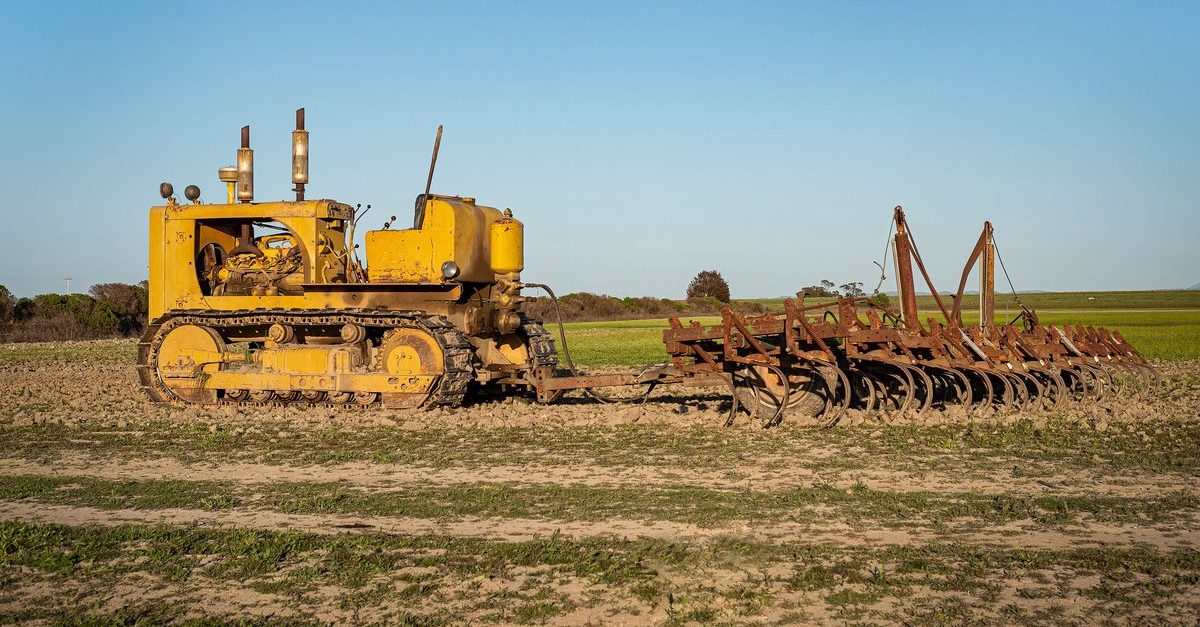
Land clearing services are essential for preparing Texas acreage for agriculture. But if you clear without understanding the tax rules, you could lose your ag exemption and face thousands in rollback taxes. The key is knowing which clearing work supports your qualifying use, and which converts your land to a non-agricultural purpose.
Here is what every Texas landowner should know before hiring a land clearing service, based on Comptroller guidelines and Tax Code Section 23.51.
What Happens to Your Ag Valuation When You Clear Land?
The Texas Comptroller's Manual for the Appraisal of Agricultural Land states that your land must be "currently devoted principally to agricultural use" to maintain special valuation. Clearing that supports active farming or ranching qualifies. Clearing that abandons agriculture triggers a rollback to market value.
This distinction matters because the tax difference can be dramatic. A 50-acre tract valued at $5,000 per acre for ag purposes might be worth $50,000 per acre at market. Clearing without ag intent means paying tax on the full market value plus rollback penalties on prior years.
The Comptroller lists qualifying agricultural uses including cultivating soil, producing crops, raising livestock, planting cover crops, and leaving land idle for normal crop or livestock rotation. Cutting wood for fences or structures on adjacent agricultural land also qualifies. Each of these activities must occur at the degree of intensity generally accepted in your area.
How Does Land Clearing Affect Your Property Taxes?
When you clear land and the purpose aligns with your agricultural use, the clearing work itself is just a farm expense. It does not change your valuation, and the costs may have federal tax implications.
When clearing abandons agriculture, your county appraisal district will reclassify the land at market value effective January 1 of the year the use changed. You then owe rollback taxes for each of the preceding five years at the difference between market and ag valuation, plus interest and a penalty.
The timing also matters. The appraisal district determines land use based on what happened during the year. If you clear in March for a May planting, the district sees an active agricultural operation. If you clear in March and do not plant, graze, or otherwise use the land agriculturally, the district may reclassify it.
What You Need Before Clearing Your Texas Land
Before signing a contract with any land clearing service, gather these items to protect your tax position.
-
Proof of agricultural use. Document your current ag exemption status with your county appraisal district. If you do not yet have ag valuation, understand the 5-of-7-year history requirement. You may need to wait until you have the qualifying history before major clearing.
-
A clear agricultural plan. Write down what the cleared land will be used for. Will it be pasture, crop field, hay ground, or rotational rest? The appraisal district will ask for specifics. Simply clearing brush is not enough. The work must tie to an active agricultural use.
-
Documentation for the appraisal district. Keep receipts for all clearing work. Save before and after photos. Note the date, purpose, and intended agricultural use. Most appraisal districts want to see a letter or form explaining the work.
-
A service provider who understands Texas tax law. Not all land clearing companies know the difference between ag-compliant clearing and recreational clearing. Ask whether they have experience with Texas ag exemption requirements.
-
If your land is in a sensitive area, check conservation programs. The Texas Farm and Ranch Lands Conservation Program may offer additional incentives for cleared land managed under a conservation plan.
Your agricultural exemption is the foundation for these protections. Review the requirements before you hire any service provider.
Steps to Clear Land While Keeping Your Tax Benefits
Follow this process to ensure your clearing work supports your ag valuation rather than threatening it.
-
Confirm clearing supports active agriculture. Talk to your county appraisal district before any work begins. Explain your plan and ask whether the proposed clearing aligns with qualifying agricultural use. Ask about any specific documentation they require.
-
Write a brief agricultural use plan. Include what you will clear, why, and what will go on the land afterward. If you are establishing pasture, specify the livestock class and stocking rate. If you are preparing crop land, specify the crops and rotation schedule.
-
Hire a service familiar with ag requirements. Provide your use plan to the clearing company. Ask them to document on the invoice that the work was for agricultural purposes. This creates a paper trail if the appraisal district questions the work later.
-
Document everything during and after clearing. Take photos before, during, and after the work. Keep the invoice and any correspondence. Send a copy of the documentation to your appraisal district with a letter explaining how the work supports your agricultural use.
-
File or update your Form 1-D-1 if needed. If you cleared new ground and expanded your agricultural operation, make sure your ag application reflects the larger acreage. The filing deadline is April 30 with no late penalty if filed by the date appraisal records are approved.
| Clearing Purpose | Tax Impact | Documentation Needed |
|---|---|---|
| Establishing pasture | Preserves ag valuation | Use plan, photos, receipts |
| Preparing crop land | Preserves ag valuation | Use plan, receipts |
| Removing invasive species | Preserves ag valuation | Conservation plan, receipts |
| Clearing for building | Triggers rollback | Market appraisal required |
What Kind of Clearing Costs Can You Deduct?
The federal tax treatment of land clearing costs depends on why and how you clear. The old Section 182 direct deduction for land clearing was repealed in 1986. What remains under Section 175 allows a current deduction for soil and water conservation expenditures, up to 25% of gross farm income per year.
For Section 175 to apply, the clearing must follow a conservation plan approved by the Natural Resources Conservation Service or a comparable state agency. The plan must address erosion prevention or soil and water conservation on existing farmland. General clearing to expand acreage does not qualify.
Costs above the 25% limit carry forward indefinitely. Expenses for depreciable equipment follow their own depreciation schedule under Section 167. Capital improvements to land, such as clearing for a new use, get added to your land basis and recovered only at sale.
If you are establishing a new timber stand, Section 194 allows up to $10,000 immediate expensing per qualified timber property per year. Amounts above that go into an amortizable basis over 84 months.
For federal tax guidance specific to your situation, consult IRS Publication 225 or your tax professional. The rules are complex and depend on your specific facts.
Will Clearing Disqualify Your Land from Ag Valuation?
Not necessarily. The key question is whether the land remains "devoted principally to agricultural use" at the county's required intensity. If you clear to establish pasture, grow crops, or maintain rotational grazing, your valuation should remain intact.
You may face a denial or rollback if:
- You clear and never put the land into agricultural use
- You clear for recreational, residential, or commercial development
- The appraisal district determines the clearing was not for agricultural purposes
- You cannot provide sufficient documentation of the agricultural intent
The good news is you can appeal. File a timely protest with your appraisal district. Include your agricultural use plan, documentation of the work, and evidence of ongoing agricultural activity. For help understanding the protest process, see how to protest your Texas property tax appraisal.
You should also understand what documentation the district expects. Most counties want a written statement explaining the agricultural purpose of the clearing. They may request photos, receipts, and evidence of ongoing farm or ranch operations. Some districts use a standard form for clearing work documentation. Check with your district office before you clear to learn their specific requirements.
FAQ: Land Clearing and Texas Property Taxes
Do I need a permit to clear land in Texas?
Texas has no statewide clearing permit, but local jurisdictions may require permits for waterway impacts, wetlands, or steep slopes. Check with your county and the Army Corps of Engineers if your land has any water features.
Can I clear my own land without hiring a service?
Yes, if you do the work yourself and the land is used for agricultural purposes. You still need to maintain documentation. The clearing work must support qualifying agricultural use to preserve your valuation.
What if my land has old fences, junk, or debris?
- Including removal of non-agricultural debris in your clearing work is common
- The cost allocation matters for tax purposes
- Keep the invoice detailed so the agricultural portion is clearly separated
| Question | Key Takeaway |
|---|---|
| Permit required? | No state permit, check local rules |
| DIY clearing? | Yes, with documentation |
| Debris removal? | Costs must be separated |
| Homestead impact? | No, separate exemption |
| Review timeline? | No set timeline, respond promptly |
Does clearing affect my homestead exemption?
Your homestead exemption is on your residence, not your agricultural land. Clearing your ag land does not affect your homestead exemption. However, if you convert ag land to a residential lot, you will likely lose the ag valuation and owe rollback taxes.
Key point: Your homestead exemption and ag valuation are completely separate. Clearing one does not affect the other, but converting ag land to residential use triggers rollback taxes.
How long does the appraisal district take to review clearing work?
There is no set timeline. The district reviews your Form 1-D-1 during the appraisal process each spring. If they need additional documentation, they will contact you. Respond promptly to avoid delays.
What if I disagree with the appraisal district's decision?
You have the right to protest. File a protest using the form provided by your appraisal district. Include all supporting documentation and be prepared to present your case at a hearing. The rollback penalty guide explains what happens during a protest.
Next Steps: Choosing the Right Service for Your Goals
Now that you understand the tax implications, you are ready to move forward. Here is a quick summary of the key actions.
- Contact your county appraisal district to confirm your current ag status and discuss your clearing plan.
- Write a brief use plan that ties the clearing to specific agricultural activities.
- Research clearing services with experience in Texas agricultural land.
- Get multiple quotes and ask each provider to document the agricultural purpose on their invoice.
- File your Form 1-D-1 by the April 30 deadline if you are expanding your ag operation.
For county-specific requirements and contact information, use the Texas county appraisal district lookup. To understand whether ag valuation or a conservation easement makes more sense for your situation, read the conservation easement vs. ag exemption guide.
If you need professional guidance, the consultant directory includes specialists familiar with Texas agricultural land tax rules.