Texas Timber Exemption: What You Need to Know
Complete guide to the Texas timber exemption - qualifying counties, management plan requirements, how it differs from ag valuation, and how to apply at your appraisal district.
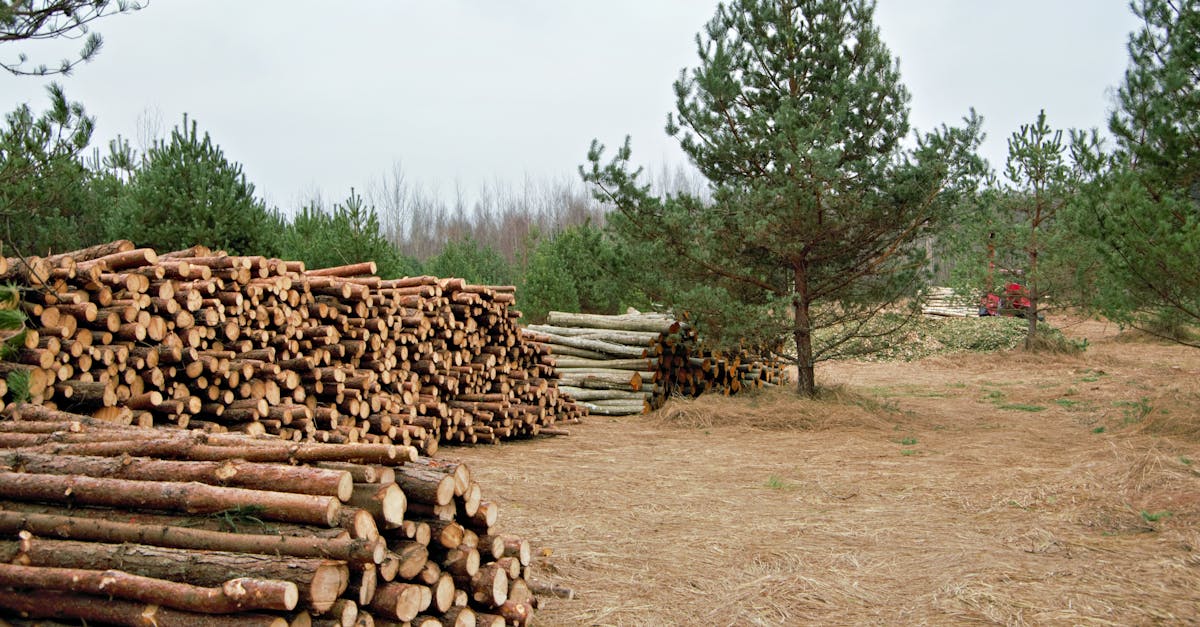
Timber valuation is one of the least-discussed property tax exemptions in Texas, partly because it is geographically limited. Unlike agricultural or beekeeping exemptions which work across all 254 counties, timber production valuation applies primarily to the forested counties of East Texas where commercial timber is a viable land use.
If you own wooded land in the timber belt, this exemption can save you as much as any other ag valuation. Here is how it works.
What Is Timber Valuation?
Under Texas Tax Code Section 23.72, land that is managed for commercial timber production can be appraised at its timber productivity value rather than its market value. The same principle as agricultural valuation - your land is taxed on what it produces, not what a developer would pay for it.
The difference can be substantial. A 100-acre tract of East Texas timberland might have a market value of $500,000 but a timber productivity value of $20,000-$40,000. Property taxes drop proportionally.
Where It Applies
Timber valuation is available in counties where commercial forestry is a recognized land use. This is concentrated in East Texas - the Piney Woods region from the Louisiana border west to roughly the I-35 corridor, and from the Red River south to the Gulf Coast.
Key timber counties include:
- Deep East Texas: Tyler, Jasper, Newton, Sabine, San Augustine, Angelina, Nacogdoches, Polk, Trinity
- East Texas: Cherokee, Anderson, Houston, Walker, San Jacinto, Liberty, Hardin, Orange
- Northeast Texas: Cass, Marion, Harrison, Panola, Rusk, Gregg, Smith
Counties outside the timber belt generally do not have the infrastructure, market access, or soil conditions to support commercial timber as a qualifying land use. Check your county's specific rules before planning around a timber valuation.
Requirements
Active timber management
You need a documented timber management plan. This is not optional. The plan must demonstrate that you are actively managing the land for commercial timber production, not just letting trees grow wild.
A typical management plan includes:
- Inventory of existing timber species, age classes, and density
- Scheduled harvesting plan (selective cuts, clear-cuts, or thinning on a rotation)
- Reforestation plans after harvest
- Prescribed burning schedule (if applicable)
- Pest and disease management
- Road and firebreak maintenance
Most landowners work with a registered professional forester or a forestry consultant to prepare their management plan. The Texas A&M Forest Service provides technical assistance and can connect you with qualified professionals.
Minimum acreage
There is no statewide minimum, but your county appraisal district sets the threshold. In practice, most timber valuations are on tracts of 10 acres or more. Smaller tracts may qualify if they are part of a larger contiguous management unit.
History of use
Like agricultural valuation, timber requires a demonstrated history of production use. You typically need 5-7 years of documented timber management before qualifying. Land that was recently cleared, or land that has been idle with no management activity, will not qualify immediately.
How It Differs from Agricultural Valuation
Timber and agricultural valuations are separate paths under Texas law. The key differences:
Timber (Tax Code 23.72):
- Based on timber productivity value
- Requires active forestry management plan
- Income comes from periodic timber harvests (every 15-30 years for pine, longer for hardwood)
- Lower ongoing effort between harvests
- Primarily East Texas
Agricultural (Tax Code 23.51):
- Based on agricultural productivity value
- Requires active agricultural use (livestock, crops, hay)
- Income from annual production cycles
- Higher ongoing effort (feeding, fencing, equipment)
- Available statewide
You cannot hold both on the same acreage. Choose the one that matches your actual land use. If you have a mixed property (pasture in one section, timber in another), you can apply different valuations to different portions.
The Financial Case
Timber management has a unique financial profile compared to other exemptions:
Pros:
- Low ongoing effort between harvest cycles
- Timber income can be substantial ($500-$2,000+ per acre per harvest)
- The land appreciates in value as timber matures
- Carbon credit programs are emerging as an additional income stream
- Property tax savings are immediate and annual
Cons:
- Harvest cycles are long (15-30 years for pine plantations)
- Upfront costs for management plan and initial planting/thinning
- Revenue is lumpy - big income every 15-30 years, not monthly
- Market prices for timber fluctuate
- Requires professional forestry expertise
For landowners who already have wooded land in East Texas, timber valuation is often the most natural fit. You are already growing trees - the exemption just requires formalizing the management and documenting the plan.
How to Apply
-
Get a timber management plan. Contact the Texas A&M Forest Service or a private forestry consultant. The management plan is your primary documentation.
-
File with your county appraisal district. Submit an application for timber valuation (not agricultural valuation - these are separate categories). Bring your management plan, documentation of timber management activities, and any harvest records.
-
Maintain compliance. Follow your management plan. Your appraisal district may periodically verify that active timber management is occurring. Abandoning management can result in losing the valuation and facing rollback taxes.
Can You Combine Timber with a Conservation Easement?
Yes. Timber operations and conservation easements are compatible. A conservation easement restricts subdivision and non-forestry development but typically allows continued timber harvesting under the existing management plan. East Texas timberland is one of the property types identified by the Texas Farm and Ranch Lands Conservation Program (TFRLCP) as a priority for conservation funding.
If you own significant East Texas timberland and want to explore both the property tax and federal tax benefits, see our conservation easement guide and the cost and value analysis.
Find Your County
Timber exemption requirements vary by county. Find your county's specific rules, including minimum acreage, qualifying species, and appraisal district contact information. If you need help getting started, our consultant directory includes forestry professionals who specialize in timber management plans and East Texas land management.