What Qualifies as a Conservation Easement in Texas?
Not every property qualifies for a conservation easement in Texas. Learn the IRS requirements, qualifying conservation purposes, property types that work, and what disqualifies you.
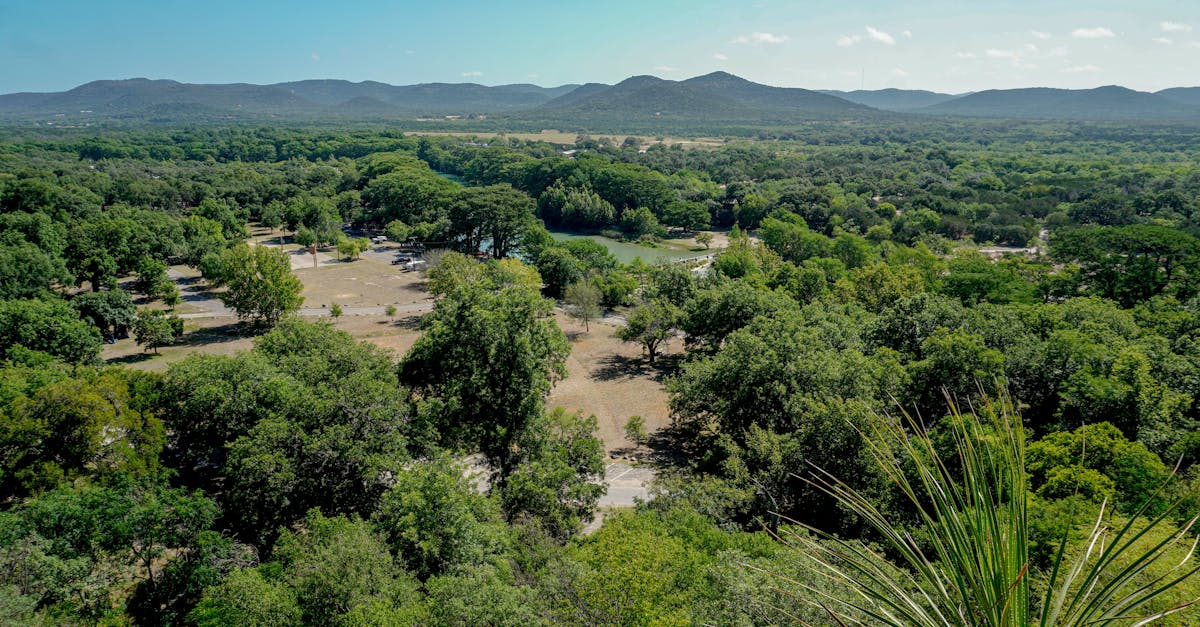
A conservation easement is not something you can just declare on your property. The IRS has specific requirements under IRC Section 170(h) that must be met before you can claim a federal income tax deduction. Get it wrong and the IRS will deny your deduction - or worse, come after you for penalties on an inflated claim.
Here is what actually qualifies in Texas, what does not, and how to evaluate your property.
The Four IRS Requirements
Every deductible conservation easement must satisfy all four of these conditions simultaneously. Miss one and the deduction is disqualified.
1. Donated to a qualified organization
The easement must go to a 501(c)(3) land trust, a state or local government entity, or a Native American tribal government. In Texas, the Texas Land Trust Council maintains a directory of more than 35 qualified land trusts organized by county.
You cannot donate a conservation easement to a family member, a private company, or an unqualified nonprofit. The receiving organization must have a demonstrated commitment to conservation and the resources to monitor and enforce the easement in perpetuity.
2. Serves a qualifying conservation purpose
The IRS recognizes four conservation purposes:
- Protection of natural habitat for fish, wildlife, or plants, including threatened and endangered species
- Preservation of open space for scenic enjoyment or pursuant to a clearly delineated governmental conservation policy
- Outdoor recreation or education available to the general public
- Historic preservation of certified historic structures or historically important land areas
In practice, most Texas conservation easements qualify under the first two: wildlife habitat protection and open space preservation. Properties along the I-35 corridor, in the Hill Country, and in East Texas timber regions commonly meet these criteria.
3. The restriction must be perpetual
A conservation easement is forever. Not 10 years, not 30 years, not "until you sell." The restriction must be recorded on the property deed and it runs with the land regardless of who owns it. Future buyers inherit the restrictions.
This is the most consequential aspect of a conservation easement. You are permanently giving up specific development rights. If you think you might want to subdivide or develop the property in the future, a conservation easement is not the right tool.
4. No private benefit
The easement must serve a genuine conservation purpose, not primarily benefit private interests. The IRS specifically targets arrangements where the "conservation" is a pretext for generating tax deductions - this is the core of the syndicated conservation easement crackdown.
A legitimate easement on a working ranch that protects wildlife habitat passes this test. A hastily arranged easement on land you just bought, with an inflated appraisal, structured through a pass-through entity - that does not.
Property Types That Work in Texas
Conservation easement value depends on two things: the conservation significance of the land and the development pressure it faces. The best candidates have both.
Strong candidates:
- Working ranches and farms of 100+ acres near growth corridors (I-35, I-10, DFW expansion)
- Land with documented wildlife habitat, especially for threatened or endangered species
- Properties protecting water resources: Edwards Aquifer recharge zones, river corridors, spring-fed creeks
- Scenic Hill Country properties visible from public roads
- East Texas timberland with active management plans and ecological significance
- Land that connects or buffers existing protected areas
Weak candidates:
- Small properties (under 50 acres) in remote areas with no development pressure
- Land without identifiable conservation values
- Properties already heavily restricted by existing deed covenants or zoning
- Land with environmental contamination or cleanup liability
There is no legal minimum acreage for a conservation easement in Texas, but transaction costs ($5,000-$50,000+) make small properties impractical unless the per-acre values are exceptionally high.
What Does Not Qualify
The IRS has been clear about what falls outside the rules:
- Informal conservation efforts. Choosing not to develop your land is not a conservation easement. The restriction must be legally recorded with a qualified organization.
- Temporary restrictions. Time-limited easements (even 99-year terms) do not qualify for the federal deduction. Only perpetual restrictions count.
- Facade easements on commercial buildings (without genuine historic preservation certification) have been heavily challenged by the IRS since 2016.
- Syndicated conservation easements where investors buy shares in a pass-through entity to claim inflated deductions. The IRS designated these as "listed transactions" in 2024.
How to Evaluate Your Property
Before contacting a land trust or hiring an attorney, ask yourself these questions:
- Does my property have identifiable conservation values? Wildlife habitat, water resources, scenic character, or agricultural significance that would be diminished by development?
- Is there development pressure? The gap between your land's development value and its restricted value is what creates the tax deduction. No development pressure means a small or nonexistent deduction.
- Am I willing to accept permanent restrictions? This is irrevocable. Your heirs will inherit these restrictions.
- Can I afford the transaction costs? Qualified appraisal ($3,000-$10,000+), legal fees ($2,000-$10,000+), and a stewardship endowment. See full cost breakdown.
- Is my AGI high enough to benefit from the deduction? The deduction is capped at 50% of AGI (100% for qualified farmers). Use the calculator to estimate your benefit.
Next Steps
If your property looks like a fit, the process starts with a conversation with a land trust in your area. The Texas Land Trust Council directory lists all member organizations by county. Most offer free initial consultations to assess whether your property has qualifying conservation values.
For a complete walkthrough of the process, costs, and tax benefits, see our conservation easements guide. For a side-by-side look at how conservation easements compare to property tax exemptions, see conservation easements vs. ag exemptions.